
Posts tagged "brand marketing"

Relevance Drives the Recipe for Social Media Results

February 13th, 2018 Posted by Agency Services, brand marketing, brand strategy, branded content, Consumer insight, Content Marketing, Public Relations, Social community, Social media, storytelling 0 comments on “Relevance Drives the Recipe for Social Media Results”

Social media has emerged as one of the most important channels of communication for brands and retailers – in no small measure due to high levels of consumer participation on these platforms and in these communities. Fueling consumer traction is an opportunity for two-way communication; a dialogue rather than monologue. It is a more human and interactive environment – and thus adds value to the consumer’s life and experience by providing unique ways to engage.

  • Of note, social media participation accounts for at least one of every three minutes people spend on the Internet, according to Global Web Index.

We already know that consumers prefer to get information, guidance and ideas from voices they deem trustworthy. Social channels help fill this need as a trusted source, especially when the proportion of content generated by consumers themselves (trusted) is correctly balanced with posts created by brands (not as trusted).

The question we often get from clients starts with how to extract optimal effectiveness from social channel program investments.

Here’s the Emergent recipe for improved social channel results: 

1. Competing successfully for social attention through relevance and utility

Rule number one: social is not a conventional media platform for pushing out self-promotional sales messaging. The great divide between social channels contributing measurably to growth vs. not, begins with the relevance of content and value to the consumer’s lifestyle passions and interests. Social discourse is not advertising.

  • While this may seem intuitively obvious, we observe any number of brands using social as a traditional media play, dominated by product promotion and transactional messages.

The first step towards social media engagement success begins with mining insight into the lives and aspirations of the audiences brands wish to serve. Ideally consumer insight research is part of the overall marketing plan and can be deployed to gain a better understanding of what a brand’s core users care about. Better to truly know them rather than base the messaging map on hunches and assumptions.

From this baseline insight, we build personas – detailed descriptions of consumer segments that make up the population of users either existing or desired. The personas then inform content strategy and help design a community experience founded on relevance, and added meaning to consumer interests and lifestyle.

This approach helps guide community managers to optimize the entire social encounter around core consumers, and in doing so, feeds engagement levels and social’s holy grail – content sharing. When content delivers intrinsic value to the audience, often in an entertaining way, it gets shared and thus multiplies reach.

2. High quality content wins, every time

According to user generated content platform company Stackla, 86 percent of consumers say authenticity matters in deciding what brands they like and prefer. Additionally, 60 percent of consumers believe content from a friend or family member will influence their purchase decisions. Comparatively only 23 percent say they are influenced by content from a celebrity.

User generated content (UGC) is another key component – again founded on the fundamental construct of trusted source. UGC should be embedded as an important component of social strategy, bringing in the voices of real people and their stories as a powerful foundation of validation and proof.

  • Consumers believe each other’s experiences with a brand first and foremost; more so than self-promotional content from a brand asserting the benefits and performance of its products and services.

Balanced content strategy enhances engagement. As such, to enhance overall content effectiveness, social channel management should address an apportioned mix of:

  • User generated
  • Brand created
  • Curated third-party content

Within this content eco-system is a formula we follow to plan content on a calendar basis. We recommend that roughly 80 percent of the content track message, topic and tone that are inspirational, educational, useful or fun. The remaining 20 percent of the calendar can be devoted to brand promotions and offers.

Of note, we know that quality content is far more important than quantity in social channels. It simply takes more thought, time and effort to create material that truly benefits other people and adds value to them than inconsequential frequency-fillers. Even when aggregating user generated material it’s important to curate the posts that are interesting and informative from anything that’s not offering a coaching or relevant entertaining moment.

3. Content creation guidance

HubSpot reports that visual content is 40 times more likely to be shared on social media than other forms. This data tracks with evidence that Blog posts using photos garner much higher readership than those without. This helps explain the out-sized popularity of Instagram – especially for food and healthy lifestyle brands.

In general:

  • Show readers the lifestyle they aspire to live. If its outdoor adventure they crave, then you know where to go. If they’re kitchen commanders, help build their culinary adventure.
  • Reveal the emotion under your product story. The devotion of craftsman to craftsmanship is an emotional journey people want to take. Talk about your commitments, standards and beliefs.
  • Inject some art into product photography. Make your photos more interesting by thinking creatively about the setting and how to imbue the image with greater meaning or emotion.

4. Influencers and influencing

At the start of this post we described the anchor from which all audience blessings flow: trust. Trusted voices are the key component to securing belief among consumers. Today’s consumers are understandably skeptical, and their ‘trust threshold’ is that much higher.

Brands are no longer free to simply assert claims of superiority or better experience. Other respected sources need to corroborate what you hope to convey. Influencers are a part of this strategy.

Bloggers and third-party subject matter experts add another dimension to content plans, bringing borrowed equity and credibility to the table. So it makes sense to build and nurture a universe of relevant influencers in your category. These voices can help verify what you want people to believe, while expanding the reach of your message through their networks.

The 50 or so Bloggers who are currently part of our Emergent Media Network operate in this role as added credible voices and authorities. Our obligation in this symbiotic relationship is to bring useful, relevant, well-researched and credible story ideas to the table. Quality in equals quality out.

Social strategy is, by definition, an integration of content marketing, community building, nurturing and the aggregation of user-generated stories. When built around insight about the audience and their needs, with content they care about, an opportunity exists to earn permission for a deeper relationship – based on mutual respect and trust.

Social is, well, social.

Looking for more food for thought? Subscribe to our blog.

Bob Wheatley is the CEO of Chicago-based Emergent, the healthy living agency. Emergent provides integrated brand strategy, communications and insight solutions to national food, beverage, home and lifestyle companies.  Emergent’s unique and proprietary transformation and growth focus helps organizations navigate, engage and leverage consumers’ desire for higher quality, healthier product or service experiences that mirror their desire for higher quality lifestyles. For more information, contact Bob@Emergent-Comm.com and follow on Twitter @BobWheatley.

THE EMERGENT TRUST ENGINE: Validation Marketing™

January 24th, 2018 Posted by Agency Services, brand marketing, CMO, Consumer insight, Marketing Strategy, Retail brand building 0 comments on “THE EMERGENT TRUST ENGINE: Validation Marketing™”

A veritable mountain of consumer insight research continues to underscore the importance of transparency, integrity, ingredient quality and higher purpose to consumer purchase decisions for food, beverage and lifestyle brands they prefer. The legacy CPG and retail marketing paradigm of “interrupt and persuade” has disintegrated. The old methodology of creating strategy that invokes promises and claims around product features, formulation specs and benefits no longer resonates.

At the core of this cultural shift is one over-arching driver that enables sustainable brand relationships: Trust creation. In light of these changes, we’ve designed a new effective strategy planning approach at Emergent; one intended to anchor consumer trust and build added depth and meaning (value proposition) for a brand.

Emergent’s proprietary planning model – Validation Marketing™ – is constructed to supply tangible evidence of a company’s beliefs, behaviors and commitments to quality.

  • Our formal definition of Validation in this context is providing conclusive proof, evidence and demonstration of what we want consumers to believe about the brand and company.

Five key principles inform Validation Marketing. These foundational ideas spring from insight-research studies that chart the cultural migration from a brand’s self-reverential declarations of superiority to a focus on what consumers are passionate about and what is relevant to them.

Principle 1 – The Power of Higher Purpose

Belief and mission have never stood so strongly until now as a gateway to trusted brand relationships with consumers. A brand’s higher purpose represents a departure from transactional thinking and reflects instead what the core consumer truly cares about – what they value around beliefs and a value system that extends beyond commerce. Purpose strategy must be a reflection of the company’s unique mission, and how it’s embedded in the organization’s DNA.

Principle 2 – Trust Springs from Transparency

Openness is best served generously and often – by pulling back the curtain fully on supply chain standards, manufacturing processes, ingredient sources and quality standards. Letting the consumer in the door to observe, advise and co-create. Importantly, this also means acquiring a reflexive willingness to openly admit missteps – a very powerful and very human, laudable quality. This nurtures trust – the real pivot point in any meaningful brand relationship.

Principle 3 – The Connection of Influence to Validation

“Trusted source” credibility is now the accelerator of business communication, rather than the gross impressions or reach and frequency metrics (tonnage in media weight) that defined marketing traction for a generation.

The significance of respected influencers today is the validation they provide that reinforces and confirms what a brand or retailer says is indeed true. Influencers inform from a position of embedded trust.

Principle 4 – Emotion and Lifestyle Relevance

We know purchase decisions are made on an emotional level. Validation Marketing is based on appeals to the heart more than the head. Ultimately this is about commitments and beliefs. These subjects are best served with a heaping tablespoon of emotion and baked-in lifestyle relevance. When a company realizes and integrates its higher purpose into all aspects of how it goes to market, the outcome feeds a more emotive form of communication – one that inspires a true connection to people.

Principle 5 – The Importance of Social Proof

People respect and believe their friends, family members and other consumers ahead of any communication created by a brand. At the Pet Food Forum convention in Kansas City, presenter John Stanley of John Stanley & Associates cited research showing 93 percent of Millennials make their purchase decisions from endorsements, and of those, 66 percent came directly from friends. This helps us see social channels from a new and more productive angle: the mechanism of social proof – another step in the validation ecosystem. Social channel and user generated content tools are critical components in optimizing this channel.

Advocacy Drives Story Amplification

If friends’ recommendations matter during a purchase decision then it follows that brand fans can be powerful ambassadors providing the grist for social community and positive conversation about a brand. Getting to a trusted place where people want to become “members” of a brand community – and not merely purchasers – stems from a brand’s relevant meaning, higher purpose and its surrounding validation and advocacy.

Three Action Steps:

For food, beverage and lifestyle brands here’s a roadmap for embarking on the path to Validation Marketing success.

1. Message – Telling the stories behind how and where you source. The relentless drive for quality, the real people who manage your effort (and yes, your magic!), and the standards you’ve created to ensure repeated excellence. People want to know what goes into the foods and beverages they consume. Take people back to the farm.

2. Manner – There’s real, honest emotion around food, food experiences and the role it plays in our lives. Create context for your products within the inspiration people have in the kitchen, at the table and how they live. Connect the love people have for food and the social experiences it enables to your brand.

3. Make – Emphasize craftsmanship and attention to detail in product creation. What steps do you take to ensure the end result is the best quality? Help people understand how you do what you do. And just as important: tell consumers what you won’t do, the lines you won’t cross and the compromises you won’t make.

At the core of this approach to brand and retail marketing is the Higher Purpose you create that informs everything you do – as described in our post Building the Higher Purpose Brand.

Looking for more food for thought? Subscribe to our blog.

Bob Wheatley is the CEO of Chicago-based Emergent, the healthy living agency. Emergent provides integrated brand strategy, communications and insight solutions to national food, beverage, home and lifestyle companies.  Emergent’s unique and proprietary transformation and growth focus helps organizations navigate, engage and leverage consumers’ desire for higher quality, healthier product or service experiences that mirror their desire for higher quality lifestyles. For more information, contact Bob@Emergent-Comm.com and follow on Twitter @BobWheatley.

AMAZON GO OPENS TO PUBLIC; RETAIL TRANSFORMATION BEGINS

January 21st, 2018 Posted by Consumer insight, Culinary lifestyle, food retail strategy, Food Trend, Marketing Strategy, Retail brand building, retail brand relevance, shopper experience, Supermarket strategy 0 comments on “AMAZON GO OPENS TO PUBLIC; RETAIL TRANSFORMATION BEGINS”

Emergent announces retail transformation services

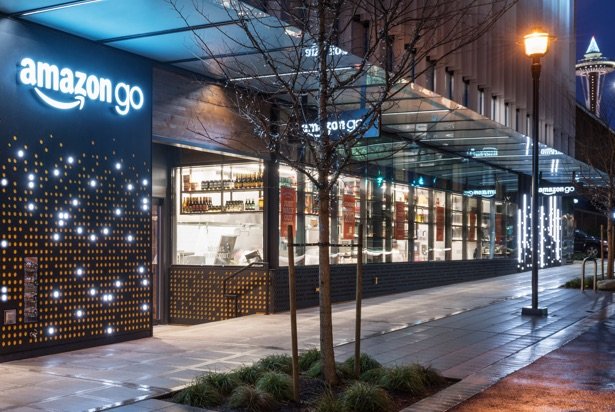
After a year in beta test, Amazon today opens its new high tech retail concept – Amazon Go — to the Seattle public. With it a new era in food retail begins, one that we believe will be transformational on more than one level.

Undoubtedly most of the coming media feeding frenzy will be focused on Amazon’s Just Walk Out technology, and the computer vision, deep learning algorithms and sensor fusion capability that sits underneath their no-checkout-line innovation. Importantly though, at Emergent we’re watching closely how the store is designed and curated to reflect consumer preferences for higher quality, fresh products for either immediate consumption or at-home meal execution.

Food retail has followed a familiar formula for decades, built around a focus on packaged food and pantry stocking. This has defined the shopping experience for a generation. Amazon Go at 1,800 of retail square feet is more convenience store than grocery. But the entire platform is edited to optimize and leverage shopper interests:

  1. Everything matters — and consumer insight informed merchandise selections are critical to match the consumer’s desire for fresh foods and upgraded snack and meal experiences. Carefully edited choice is a good idea.
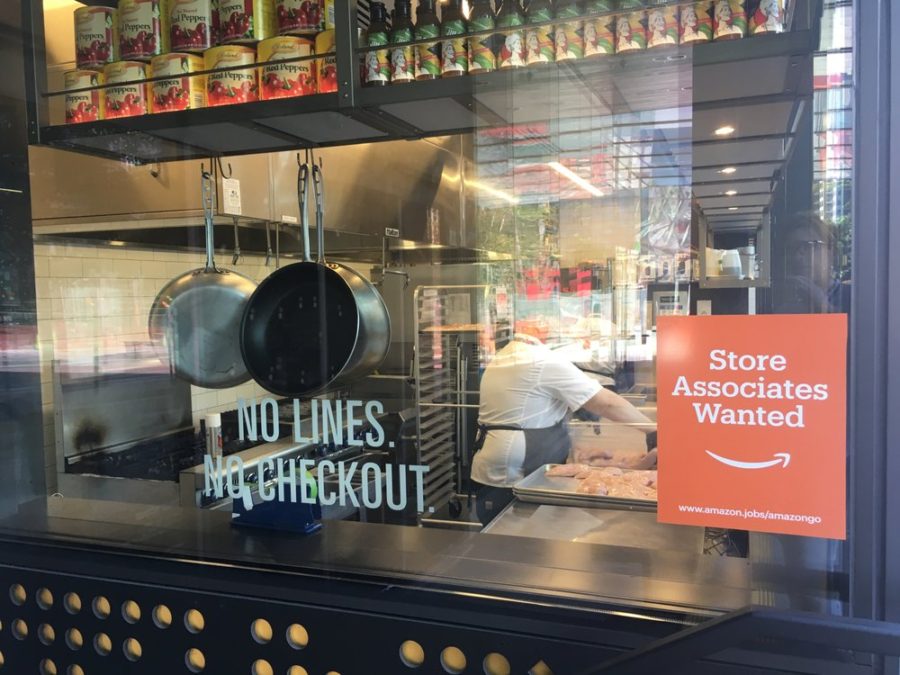
  2. An on-premise display kitchen conveys the fresh, culinary inspired fresh preparations people prefer.
  3. An array of four to five rotating meal kits brings grab-and-go to full meal solutions.
  4. Integration of Whole Foods 365 store brand products offers its own, embedded quality cachet to packaged shelves.

Elimination of the check-out immediately removes friction from the shopping experience. So, yes, we believe this leap will be greeted warmly by people who have better things to do than stand in line.

The most important shift from our perspective is the product curation itself. Grocery stores ask the consumer to conform to its business model, to serve its supply chain relationships and its legacy shopping format – which is more about stock-ups in an era when consumers increasingly shop smaller baskets looking for just-in-time fresh ingredient meal solutions.

With Amazon Go we now have a food retail concept that religiously follows what the consumer wants in addition to how they want to shop (more convenience). The future of food retail must be centered on consumer relevance rather than just a mirror of routine retail infrastructure and traditions.

So today Emergent also announces our retail transformation services, intended to help food retail bring the consumer to the center of business and strategic planning. At a time when Amazon once again changes the game to secure a greater share of food shopping, Emergent’s transformation services for food retail address improvements to brand mission and go-to-market strategies.

Why does it matter? As Kevin Coupe wrote in his announcement story in his special edition of Morning News Beat, as Don Quixote’s sidekick Sancho Panza opined, “Whether the stone hits the pitcher, or the pitcher hits the stone, it’s going to be bad for the pitcher.”

Amazon is the stone. You already know who the pitcher is.

We’re here to help.

Looking for more food for thought? Subscribe to our blog.

Bob Wheatley is the CEO of Chicago-based Emergent, the healthy living agency. Emergent provides integrated brand strategy, communications and insight solutions to national food, beverage, home and lifestyle companies.  Emergent’s unique and proprietary transformation and growth focus helps organizations navigate, engage and leverage consumers’ desire for higher quality, healthier product or service experiences that mirror their desire for higher quality lifestyles. For more information, contact Bob@Emergent-Comm.com and follow on Twitter @BobWheatley.
 

2018: Time for Real-vertising in the Go-to-Market Plan

January 10th, 2018 Posted by Agency Services, brand marketing, brand strategy, CMO, Consumer insight, Content Marketing, Culinary inspiration, Food Trend, Healthy Living 0 comments on “2018: Time for Real-vertising in the Go-to-Market Plan”

The Four Conditions and Traps Impacting Food, Beverage and Lifestyle Brands

Last year was, if anything, another period of transformation for the food, beverage and lifestyle business as new and emerging brands took the spotlight for innovation and growth. In 2018 the impact of these conditions will require a shift in thinking and planning, as brands, both new and legacy, navigate in a business environment controlled and managed entirely by consumers.

At Emergent we are obligated to stay at the forefront of these cultural changes; providing guidance and strategic leadership to our clients and business community on how best to traverse the unprecedented pace of evolution in consumer preferences and behaviors.

  • In this article we will unpack four conditions impacting the future of food, beverage and lifestyle brands in the year ahead.
  • And flag four traps that, if left unattended, could dilute desired marketing outcomes.
  1. Product narrative IS the marketing

The single most important insight we can provide on marketing and communication is the requirement of story behind the product. Consumers want to know everything – to peer behind the curtain and go back stage to see how things work. That means we’ve entered the era of real-vertising: honest, open communication around ingredients, sourcing, sustainability, quality standards, craftsmanship markers, and product creation providing the litmus test of what should be at the center of brand and business communication strategies.

How does this play out in the plan?

  • All messaging and content must work in aligned fashion with social channel integration and community building.
  • Consumers believe the opinions of other people – especially those of friends and family members – as they are more relevant to them and operate in their best interests, ahead of a brand’s own published material.
  • Thus, aggregation and repurposing of User Generated Content (UGC) will be critical in the brand communication eco-system.
  • Video is by far and away the most preferred and shared type of content. No surprise as it is one of the most engaging and entertaining forms of communication in the toolkit.
  • The role of influencers and earned media continues to grow because of the trusted source factor that defines what works vs. what doesn’t.
  • Digital channels allow for amplification (some of it paid distribution) and repurposing of earned and influencer content, so earned media becomes a more measurable asset in the arsenal.
  1. Higher quality is the new healthy

We’ve been saying this for some time as a forecast of further evolution in food culture. It’s now a verified reality borne out in the marketplace. Examples keep piling up of higher quality fresh products and more innovative versions of legacy brands, displacing the latter while the former gains more shelf space. The premium, artisanal treasure hunt marches on!

What’s driving this? Consumers are demanding higher quality food experiences. Cleaner labels, real food ingredients, fresh products, less-processed options secure greater share position for the very reason people believe they are healthier and thus will contribute to their well-being and happiness.

  • Indulgent and healthy are no longer polar opposites, and often coalesce together as accepted experiences in a healthy lifestyle. That said, there is a trailing requirement for real food over anything that appears to be overly processed.

For legacy businesses this condition recommends a wholesale rethinking of product platforms, formulations and supply chain in an effort to upgrade and bring greater premiumization to the innovation table.

Related to the previous point about importance of product narrative, if there isn’t a compelling story to tell about ingredients, sources and quality, then there’s risk now to brand relevance. Saying, “but we’ve always done it this way,” or “it’s difficult to change our supply chain commitments” is simply going to put the business in conflict with consumer preference. New upstart, high quality businesses are advancing across a broad swath of categories from staples like mac and cheese to the meat case.

  1. Meal kit is the instrument of food adventure

We predict the meal kit business will continue to consolidate and evolve – and that it’s likely food retail will get invested in the business. The fundamental premise of a food kit is consistent with consumer preferences. Consumers are looking for fresher, higher quality meal experiences featuring ingredients with a backstory, and menus that deliver low risk experimentation with new flavors and cuisines.

We also forecast continued improvements to food kit business models making them less onerous on expensive subscriptions, providing greater ordering flexibility and ease of preparation for those who want less challenging menus.

It is food-adventure-in-a-box that gives consumers an attractive meal option and step-by-step instructions on how to execute. That said, as food retailers move into this space with fully prepared, semi prepared or scratch cook alternatives, the advantage of being able to decide a menu at a moment’s notice, we believe, will be extremely attractive to a significant segment of the consuming public.

Simply said, many households don’t plan ahead for dinner and are making preference decisions at 5 pm. It’s a form of impulse meal buying that, if available at an attractive price, will help food retail gain additional shopper traction.

Could this presage more mergers of food retail with food kit operators? Perhaps, so.

  1. Snacking is the universal meal occasion

Call it what you will – mini-meal, fuel up or reward – snacking is a predominant behavior across all day parts and is influential in the foodservice channel as well. Snacking starts early and goes late as consumers both young and old graze their way through the day.

Some of this behavior is functional and related to recognition that the human body will periodically experience lagging energy levels requiring replenishment. People now recognize the connection between food and performance, thus a compelling reason to look for hand-held options that deliver energy-enhancing protein in meat, veg and dairy forms.

  • Snacking crisscrosses indulgent and good-for-you needs with portions that seem manageable in a healthy living view. (I’m snacking on almonds as I write this).

With added pressure for performance in work, school and outside pursuits, functional snacking is likely to be a major opportunity in the year ahead for innovation. We expect retailers will devote more in-store real estate to brands in this space.

Avoiding traps that take wind out of the sales…

Trap #1 – the inauthentic mission

There’s no question that consumers look for brands with similar beliefs and values. Operating with a mission that transcends commerce itself is now a marker of a brand’s cultural relevance.

In many instances new and emerging brands are built alongside a mission designed to benefit others and contribute to making the world a better place. Authenticity couldn’t be more important.

Consumers are able to sniff out posers in relatively short order. Mission is not philanthropy. It is not something that’s bolted on to the marketing plan as a campaign theme because it’s popular now.

A real, human-relevant, and unselfish purpose is a purpose – and in the long run devotion to it will indeed maximize financial performance. Absence of real beliefs here is a trap.

Trap #2 – marketing over meaning

Want to build a closer connection with core customers? Then imbue the brand with greater meaning based on relevance to their lifestyle passions and interests. Consumers can’t be viewed as walking wallets nor should the marketing plan stray towards looking at the customer relationship as purely transactional.

The brand’s voice gets added value when its connected to the consumer’s interests, be that their love and relationship with a pet, passion for outdoor lifestyle adventures, or desire for creativity in the kitchen.

When the conversation with consumers begins with what’s relevant to them, then marketing no longer looks like traditional marketing. Instead it becomes valued and useful. Conversely overt selling is a trap and path to disconnection.

Trap #3 – trust is at the center, or not

Lack of consumer trust is perhaps the most significant destroyer of businesses over time. Instead, brands built on earning trust gain competitive advantage in the marketplace.

If trust creation is not a core component (active not passive) of the marketing plan it’s time to step back and reassess. Brand relationships today are taking on the give and take characteristics of human relationships. No lying or deception allowed.

To earn trust means putting the consumer’s welfare and wellbeing at the forefront of strategy. Not doing so it a trap.

Trap #4 – do you really know me?

It’s easy to think that as long as the business is devoted to making a quality product and standing behind it, then all is well. Yes, high quality is required. However, there’s more complexity now in building sustainable relationships with consumers.

This goes beyond knowing what flavors they prefer or their patterns of shopping behavior. It’s vital to understand the whole human, their desires, wants, needs, interests and concerns.

Today there are more tools than ever before that permit a closer look at customer lifestyle interests. Making the investment here to get close and gain greater understanding of wants and needs beyond product use, is the link to more engaging brand communication.

Too many emerging brands sidestep this important insight research requirement because the demand for building basic go-to-market infrastructure gets first priority. Yet the very thing that sits at the core of long-term success is neglected: consumer insight and relevance.

Brands are built on the back of mattering. Basing communications on hunches and assumptions about what’s meaningful and valued puts the marketing plan into a blind spot. Avoid the irrelevance trap by mining insight.

The year ahead will be a tug of war between competing channels and sources of higher quality, unique and differentiated food and lifestyle experiences. The winners in this battle for share of spend will fall to those who put the consumer first – and by virtue of doing so reap the benefits of deeper connection.

Looking for more food for thought? Subscribe to our blog.

Bob Wheatley is the CEO of Chicago-based Emergent, the healthy living agency. Emergent provides integrated brand strategy, communications and insight solutions to national food, beverage, home and lifestyle companies.  Emergent’s unique and proprietary transformation and growth focus helps organizations navigate, engage and leverage consumers’ desire for higher quality, healthier product or service experiences that mirror their desire for higher quality lifestyles. For more information, contact Bob@Emergent-Comm.com and follow on Twitter @BobWheatley.


Time to Pull Back the Curtain on Pet Food Creation

December 9th, 2017 Posted by brand marketing, brand strategy, Pet care, Pet food, Pet food marketing, Pet nutrition, Sustainability 0 comments on “Time to Pull Back the Curtain on Pet Food Creation”

The case for super transparency…

For all of the talk about a desire for greater transparency in the food system, much of the pet food world’s product creation work remains behind closed doors. Is it time to open up the curtain and shed more light on ingredients, sources, standards and processes in service of securing greater consumer trust?

Unrelenting premiumization of the pet food business is being driven by the continued humanization of furry family members. At the apex of this anthropomorphic trend is a near lockstep upgrading of pet nutrition formula and nutritional bona fides that closely follow the food culture preferences of people.

No surprise the primary fuel for all of this is a belief held by consumers that the quality of the food they consume impacts the quality of their lives. Therefore, the same rule applies to their pets and the perceived nutritional benefits they can receive in their diets. In sum, people want healthier food solutions for themselves. Pet foods now face the same evaluation.

Thus the current drivers of human food preferences quickly find their way into the pet nutrition business. Chief among them is an increasing demand for transparency. According to a recent study by Innova Market Insights, the number one priority in 2018 for both human and pet foods will be cleaner labels. Innova calls this the arrival of  “Mindful Choice.”

What is that? Health and wellness is the leading call to action. However embedded in this trend are the same concerns people have about the food they personally consume – interest in sustainability, visibility to ingredients and sourcing, ethical production and safety. The Innova research study reports, 70 percent of consumers want to know and understand (human) food ingredient lists. This can be challenging in pet food where historically ingredient decks expressed on kibble packages are lengthy, complicated and employ terminology foreign to most people.

Additionally, the rapid migration of grocery shopping from packaged food center aisles of the store to the fresh perimeter departments is evidence of preferences for real, fresh, simpler food that is less processed. ‘Real’ food ingredients on labels are wanted. According to a recap of Innova’s study published in Pet Food Industry magazine, the number of human food products launched this year with a healthier claim increased to 49 percent. It’s a reflection of the growing desire to address consumer demand for healthier foods.

So, how foods are made will matter. Right now clean label is center stage. It should be noted that ‘clean label’ itself is an outcome of efforts made during product development; work which includes standards for ingredient sourcing, optimizing nutritional benefits, and committing to higher integrity around recipe formulations.

A recent study on the topic by Kerry Health and Nutrition Institute found that:

  • 73 percent of consumers read ingredient lists
  • 66 percent examine the nutritional panel
  • 94 percent say they would be loyal to a brand that adopts complete transparency
  • 99 percent say they will also pay more for a product that is transparent

Pet diets are for the most part a highly processed food where the more popular delivery vehicle of dry kibble in varying shades of tan to brown, appears to be identical from brand to brand. Deconstructing the kibble is another matter and it is in this arena where differentiation (and consumer trust) can be found.

What’s needed in pet food: super transparency

The Hartman Group’s Sustainability Report for 2017 says consumers expect companies to “openly share sustainability practices” and 73 percent of consumers are aware of what transparency means with respect to business practices.

Pet food brands with a strong nutritional story to tell could benefit from a super transparency approach. Kibble can’t really telegraph any specific information one-way or other. The ingredients used to make it, on the other hand, present an educational opportunity.

Pet brands that tell stories about ingredient sources, suppliers and product creation can effectively address integrity questions in a meaningful way.  What’s really bubbling underneath: issues surrounding health and quality of life.

Traditionally the pet food industry has operated behind closed doors, but the consumer is asking that the door open more fully. Far enough for consumers to have improved access to knowing more about the ingredient standards and food quality that goes into their pet’s diet.

No question; pet food and people food are not the same thing, even though some brands would like you to believe that the steak you had for dinner is inside the kibble bag.

  • When higher quality pet food makers take their commitments and standards on ingredients and bring them to life, they can improve their ability to secure trust and belief from the humans selecting foods for their four-legged family members.

Ultimately the desire for product transparency is a demand for validation and evidence of what most pet brands claim in their package messaging. The move to super transparency (which really means taking the consumer behind the product creation curtain) is a way to bring better understanding about what their pets are eating. And yes, pet parents truly care about this in the same way they care about how foods are made that they eat themselves.

Super transparency is now a furry business-building opportunity!

Looking for more food for thought? Subscribe to our blog.

Bob Wheatley is the CEO of Chicago-based Emergent, the healthy living agency. Emergent provides integrated brand strategy, communications and insight solutions to national food, beverage, home and lifestyle companies.  Emergent’s unique and proprietary transformation and growth focus helps organizations navigate, engage and leverage consumers’ desire for higher quality, healthier product or service experiences that mirror their desire for higher quality lifestyles. For more information, contact Bob@Emergent-Comm.com and follow on Twitter @BobWheatley.
Wild Idea Delivers Fresh Engagement and New Meaning

November 29th, 2017 Posted by brand strategy, branded content, Content Marketing, digital tools, Insight 0 comments on “Wild Idea Delivers Fresh Engagement and New Meaning”

A Turkey that shows its marketing intelligence…

Awhile back we took note that actor Matthew McConaughey had signed on with the Wild Turkey brand as marketing and creative director. Seemed at first like a bit of a stunt, however if their latest venture is any example, this pairing has inspired some relevant thinking served with effective outcomes.

So often in the adult beverage and spirits category we see the same tale told about distilleries and barreling, liquid aging and founder legacy. You can almost write the pitch from brand to brand and interchange the names; it’s an old saw of sameness laced with differing graphic elements.

  • But marketing has evolved in the face of seismic changes in how consumers behave and how their relationships with brands are built. Authenticity counts as we heralded in our last post. So, how does this play out in the real world with Kentucky bourbon? McConaughey and his colleagues at Wild Turkey mine the zeitgeist of deeper connections and meaning with an inspired idea to bring fresh turkeys at Thanksgiving to nearly every household in their headquarters town of Lawrenceburg, KY.

Two hundred and fifty employees fanned out to bring 4,500 Butterball®-donated turkeys to homes while a video crew captures the adventure in real time with McConaughey ringing doorbells. Local families opened their front doors in astonishment as the Hollywood moment unfolded in front of them.

First, the video is surprising and engaging. McConaughey himself is humanized in his role as the deliveryman of holiday cheer and thanksgiving. The reaction of people experiencing the moment was emotional, and we get to participate with them in their amazement at the generosity and celebrity touch.

The video itself is simple and captures the experience as it occurs. There’s no overt brand messaging in the traditional sense. But there’s more going on here than meets the marketing eye. It’s engagement and mattering when so much of what passes for marketing misses this objective.

We witness straightforward, honest, entertaining and emotional communication with real human value at its core. Just brilliant. This will do more for the brand than a 100 of the bottle beauty shot ads with a glowing amber pour. It’s inspired thinking that honors how marketing has changed in the era of relevance to consumers and their lives.

Additionally, Wild Turkey also donated 50,000 Thanksgiving meals to Share our Strength and another 580 turkeys to the town’s food bank. The entire project served as a launch pad for their “Friendsgiving to End Hunger” campaign aimed at securing additional matched donations to the charity partner. Here’s the sign-up landing page.

Watch the adventure here:

Perhaps we could call this approach real-vertising. It’s unexpected, honest, authentic and told in real-people terms. The Turkey distribution is a worthy cause and backed by extensions that help others in true need. Great thinking. A higher purpose served.

As someone who has never been much of a bourbon drinker, I feel compelled to go out and purchase a bottle. And that’s saying a lot for someone who considers himself more of a creative critic and creator than marketing target.

Hats off, Wild Turkey!

Looking for more food for thought? Subscribe to our blog.

Bob Wheatley is the CEO of Chicago-based Emergent, the healthy living agency. Emergent provides integrated brand strategy, communications and insight solutions to national food, beverage, home and lifestyle companies.  Emergent’s unique and proprietary transformation and growth focus helps organizations navigate, engage and leverage consumers’ desire for higher quality, healthier product or service experiences that mirror their desire for higher quality lifestyles. For more information, contact Bob@Emergent-Comm.com and follow on Twitter @BobWheatley.

Archives

Categories