Posts tagged "consumer behavior"

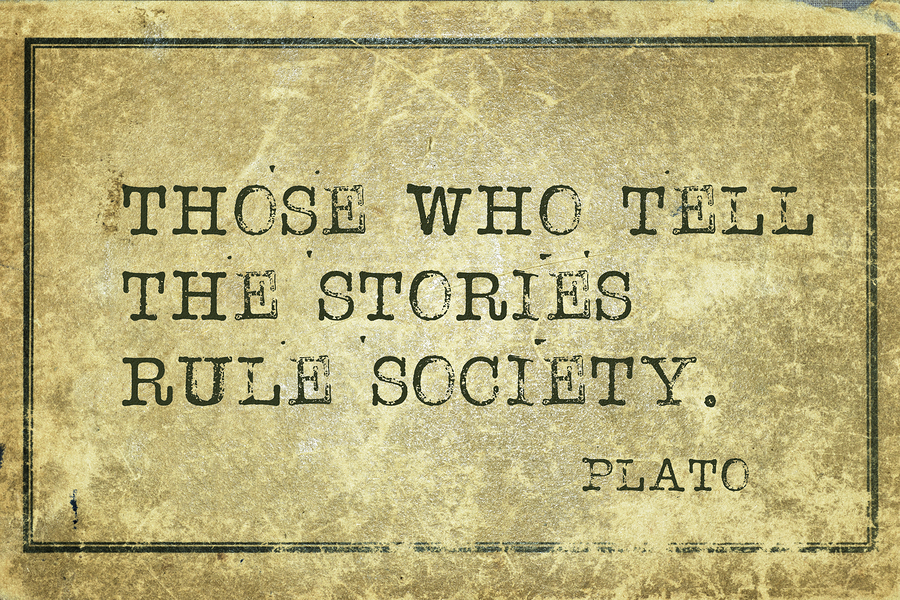
How to Build Your Brand’s Tellable Tale

October 20th, 2017 Posted by brand marketing, brand strategy, branded content, Consumer insight, Social community, Social media, storytelling 0 comments on “How to Build Your Brand’s Tellable Tale”

The formula for brand stories that drive engagement

Marketers are living in the age of consumer control – of the conversation, of granting access, of the genesis of any relationship that may exist between a brand and its users. For this reason, relevance has become a watchword to define what separates real engagement with people from that of disinterest and disconnection.

Relevance always begins with a deep understanding of the consumer’s lifestyle interests and passions, their concerns, needs and desires. It is here, in alignment with what people care about, that brands can find mutually beneficial ground to create conversation. We’ve described this as engaging via help over hype.

To activate relevance, brand stewards must think differently about the relationship dynamics with consumers. It’s hard to move away from the usual transactional behavior and messaging – unless – you really embrace caring about the people you wish to win as customers. You must commit to deep understanding of how the brand sits in service of improving people’s lives –and not just in terms of delivering on product benefits.

Tactically, nowhere is this seen in greater relief than through building communities of brand participants and ambassadors. Social platforms enable interested groups and fan communities to join together. These communities are powerful forces. There’s simply no better way to win new customers than to have current true believers share with others what they love about the brand – it’s the ultimate testimonial.

However in doing so, there are some rules which must be respected: this is not a channel to push out self-serving sales messages. Instead, it is the land of relevance and creating connection – to people’s lives, to each other, to community and sharing.

What’s at stake? There are two types of brands: those that matter and in which the consumer becomes invested, and those that don’t where products are viewed as commodities bought on price – easily interchanged with other options on any given day. The former is a way of becoming embedded in the hearts and minds of consumers through community and engagement, while the latter bypasses this approach in favor of talking “at” people.

Building brand engagement through story

Forming relationships is first and foremost a storytelling mission. Either those shared by brands or those created by consumers.

Have you ever noticed the stark contrast between brand communication that feels like informing, educating and honest conversation, as opposed to a message that looks like marketing and is designed to persuade?

“People influence people. A trusted referral influences people more than the best broadcast message.” Mark Zuckerberg

The tellable tale by definition is useful, valuable communication the consumer wants to share. All too often brand social channels are preoccupied with using the medium as another platform to push selling messages out the door. Which is vastly different than respecting the sharing and conversational aspects of the environment.

Here are six steps for brands to create compelling tellable tales:

  1. Feature real-people stories – activate the compelling real people customer tales of change, improvement, transformation and delight earned by brands who work to enhance the lives of their users.
  2. Demonstrate beliefs and mission – people want to be part of something greater than themselves. It is imperative that brands fully embrace a relevant ‘higher purpose’ that guides brand/company behaviors and decisions. A real, human, useful purpose beyond fueling product transactions.
  3. Transparency rules the relationship – people want to know about the commitments and standards you follow that govern how you do business. Integrity and honesty are critical to establishing connections with consumers.
  4. Go behind the curtain – companies, intentionally or not, are often like black boxes that operate behind a closed door. Now, however, people want to know how products are created, where ingredients are sourced, how employees and suppliers are treated. Open the door and let them in.
  5. Humanize your brand – bring to life the people who create, innovate, build and personify the company’s beliefs and mission. Tell their stories. Let them explain in their own words why the company is operating in the consumer’s best interests and how the business works to improve people’s lives.
  6. Entertain along the way – as the great David Ogilvy once said, “you cannot bore the customer into buying your product.” Entertaining communication allows elements of fun, humor and excitement to filter into the construction of content. Make it interesting, engaging and emotional, as well as informative.

Finally, encourage your fan community to co-create and build content of their own. Nothing is more powerful or compelling than this form of outreach. Be an enabler of social sharing. Encourage customers to contribute. Make it easy to do that. Repurpose what they make and distribute widely.

The 80/20 rule is usually in effect across most product categories, meaning that a smaller population of heavy users are most likely also to be the fans who help tell your story and carry the message. Take care of them!

Looking for more food for thought? Subscribe to our blog.

Bob Wheatley is the CEO of Chicago-based Emergent, the healthy living agency. Emergent provides integrated brand strategy, communications and insight solutions to national food, beverage, home and lifestyle companies.  Emergent’s unique and proprietary transformation and growth focus helps organizations navigate, engage and leverage consumers’ desire for higher quality, healthier product or service experiences that mirror their desire for higher quality lifestyles. For more information, contact Bob@Emergent-Comm.com and follow on Twitter @BobWheatley.



Brands: Mastering the Sea of White Rectangles

October 17th, 2017 Posted by brand marketing, Brand preference, brand strategy, branded content, consumer behavior, Consumer insight, Digital marketing, Healthy Living, shopper experience 0 comments on “Brands: Mastering the Sea of White Rectangles”

Harnessing the power of humanizing differentiation

When we first started working for Serta® mattress brand, our wonderful client arranged for us to tour the mattress factory. We saw firsthand the great care taken to arrange the inner combinations of coils and surrounding layers of material to create the right balance of comfort and support when sleeping. They were proud of the efforts made to study spine alignment, blood circulation and how pressure points impact the quality of sleep.

Naturally, they wanted to highlight that understanding, material expertise and tech in marketing communication.

For our part, we also invested heavily in studying the purchase experience and shopping environment: the sleep products store where mattresses met the people who will ultimately spend a third of their lives atop their selections.

We were struck by the commoditized conditions at retail; an environment we referred to as the “Sea of White Rectangles.” Brands and models all looked the same, were presented in similar fashion with similar claims regarding what existed below the fancier furniture-like case fabric. Equally, we learned that consumers loathed the experience of bed shopping, and in some cases described it in used-car dealer metaphors.

Together with our client, we fashioned a new roadmap based on what happens on the other side of improved sleep. The emotional benefits and real-world lift related to getting more out of a good night’s rest. The impact that improved sleep has on creativity, work productivity, personal relationships, mental attitude and general happiness. Yes, sleep quality and sleep deprivation hits you in ways you may not even realize.

We worked to cast this in real human terms – real people stories – and how better sleep also improved your day, your happiness and your life. It wasn’t the nighttime rest imagery so typical in the bedding business – it was the next day’s improved experience that truly mattered.

Rather than the coils or support-giving design or temperature-regulating materials, Serta’s brand differentiation was elevated through the tangible, human outcome when sleep quality is markedly improved.

Commoditization can command the business until disrupted

Sameness exists in so many product categories because we’ve come to a place where technologies and formulas are often very near parity. The real distance between one product and another in its category has been narrowed, slimmed down and parsed.

Pet foods are a great example of similar formulations, comparable language, packaging approaches, and claims around nutritional efficacy. The passion, love and relationship with pet parents and pets, and the desire to add value to the quality of their lives (mutually beneficial) is another matter entirely.

And others:

  • Car designs and features within their utility, performance or luxury classes.
  • Mobile phones and their screen tech, cameras and apps.
  • Foods and their labels, ingredients and nutrition.

In virtually every product category you find, the capabilities and technologies are within close proximity to one another. But still companies fall in love with the efforts they make to install quality at every level, to source ingredients with great care, to craft solutions that deliver on taste or user experience. Yes, all of this matters, however, when looking to mine true differentiation

Consideration must be given to humans, and their personal experiences with the product. It’s a vital part of the strategic discussion, often punted in favor of showcasing the latest tech wizardry. That’s great if you’re designing ads *for* the company’s engineers (but even they need a good night’s sleep). Each and every one of us is an emotional being who thinks with their heart first and mind second. As we’ve conveyed before: People are feeling creatures that think, not thinking creatures that feel.

Communication, brand, experience, shopping environment must be viewed through the lens of how people feel; and the changes that can occur in the quality of their lives when your brand gets the opportunity to be involved with them. It’s here where the entire brand proposition will be separated and elevated from everything else competing for share of mind, stomach or wallet.

Casper Casts a Different Story

Meanwhile back in the bedroom, sleep category disruptor Casper came along to reassess every aspect of bed marketing, including the retail sea of white rectangles retail paradigm, by-passing it entirely.

With an eye towards disrupting the current go-to-market model, Casper made changes in product design, e-commerce sales, extensive guarantees, and communication founded on lifestyle help over hype. Casper pushed community building and social conversation rather than the normal efforts to market “at” people.

Casper’s highly topical e-zine, VanWinkle, and investment in social channel engagement are examples of building relevance with their core customer base. They cultivated brand ambassadorship and harnessed incredibly powerful consumer reviews to influence purchase. Casper is humanizing the bed business, and in doing so, came out of left field to capture significant share.

At Emergent our approach to client businesses begins first with an effort to understand category conventions and behaviors. From there we work to enhance uniqueness and differentiation based on blending essential product truths with insight to consumer passions and interests.

Are you ready to take on the battle against sameness?

Looking for more food for thought? Subscribe to our blog.

Bob Wheatley is the CEO of Chicago-based Emergent, the healthy living agency. Emergent provides integrated brand strategy, communications and insight solutions to national food, beverage, home and lifestyle companies.  Emergent’s unique and proprietary transformation and growth focus helps organizations navigate, engage and leverage consumers’ desire for higher quality, healthier product or service experiences that mirror their desire for higher quality lifestyles. For more information, contact Bob@Emergent-Comm.com and follow on Twitter @BobWheatley.


Shop to eat or eat what you shop?

October 3rd, 2017 Posted by consumer behavior, Consumer insight, Digital marketing, food retail strategy, Food Trend, grocery e-commerce, retail brand relevance, shopper experience, Supermarket strategy 0 comments on “Shop to eat or eat what you shop?”

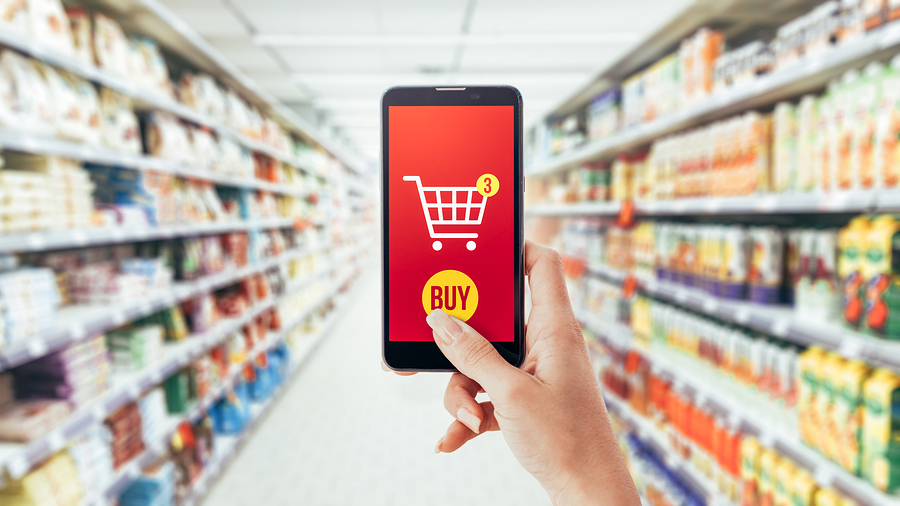
Here’s the runway for grocery e-commerce expansion

A more European-like view of food preferences and shopping is sweeping the retail landscape as consumers shop for meals rather than pantry stock-ups: more trips, more often with smaller baskets aimed at mealtime solutions. The implications of this behavior shift on retail business models and  e-commerce strategy is no less than transformational.

Online grocery’s convenience bona fides are already well positioned to capture increased share of stock-up shopping trips, focused primarily on shelf stable packaged foods and beverages.

However, new insight on consumer food shopping behavior raises a challenge and opportunity that if addressed successfully, could fuel exponential online growth. You need look no further than the decision around ‘what’s for dinner’ – which today is often resolved in a quick grocery store trip a mere few hours before sitting down to eat.

Perhaps most immediately pressing on the potential escalation of grocery e-commerce is the relationship between this shop-for-meal trend and fast order, delivery or click-and-collect fulfillment. Success here could leverage a significant pain point of escalating frustration embedded in the brick and mortar food shopping experience.

  • Important to note here, Emergent has studied e-commerce extensively and concluded that consumer trust remains a significant near-in barrier to business growth. Shopping online for fresh food requires consumer belief that e-commerce platforms can be depended upon to select, on the consumer’s behalf, the highest quality fresh perishable items like meat, fish and produce.
  • As this trust issue is resolved and consumer confidence takes hold, fresh and perishable sales in e-commerce will rapidly rise, and with it, the economic models of food retail will change forever.

With e-commerce’s historic advantage in online proficiency, industry watchers have noted: “Amazon’s capital and tech-fueled infrastructure is poised to rapidly expand same-day fill-in shopping of perishable food as trust in the e-commerce portal grows.” Hartman Group Executive, Q3 2017


Smaller baskets create grocery store shopping friction and e-commerce opportunity

According to IRI, 64 percent of grocery visits are now quick, focused, rapid-shopping trips for a limited basket (IRI, The Omnichannel, September 2016). Yes, we are witnessing in real time a major behavior change as the distance between buying and consuming collapses.

Traditional food retail was never designed with this kind of meal shopping in mind. Navigating a 60,000 square foot store for five to seven items can become annoying. The smaller the shopping basket, the more egregious and noticeable the time commitment is to travel the store footprint in search of a few items. Younger audiences especially are less tolerant of these time inefficiencies.

  • So what does it mean when pantry shopping gives way to just-in-time menu procurement? It puts in motion the conditions leading to a potential surge in online food shopping growth. Online can take the cart navigation discomfort out of the shopping experience.

There is however another consideration…

E-commerce must align with the consumer’s emotional connection to food

First, trust issues around fresh/perishable selection have to be resolved. If e-commerce is to play a substantive role in helping consumers with their dinner plans, more effort is required to recognize and leverage the real passion and care consumers have around fresh food – unlike any other product category offered online.

Virtually every food e-tailer is positioned in similar ways on convenience claims. Therein lies the next challenge: e-commerce constructed to answer transactional simplicity and convenience must not overlook the consumers’ emotion-rich interests around food.

  • It should be noted that meal kit companies do a much better job in the online environment delivering this kind of information and product backstory via content on ingredient sourcing, food experience and culinary adventure.

So for the most part, the online food environment remains a single instrument playing the song of products, prices and a virtual basket to fill. Unfulfilled as of yet, is the food e-commerce platform offering a complete orchestra and symphony of food story and guidance to home cooks hungering for their next meal adventure.

When e-commerce begins to push past the transactional and into the consumer’s relationship with food, magic could happen as the consumer comes to believe that online food shopping, and a differentiated online banner, offers much more than purchase simplicity.

Looking for more food for thought? Subscribe to our blog.

Bob Wheatley is the CEO of Chicago-based Emergent, the healthy living agency. Emergent provides integrated brand strategy, communications and insight solutions to national food, beverage, home and lifestyle companies.  Emergent’s unique and proprietary transformation and growth focus helps organizations navigate, engage and leverage consumers’ desire for higher quality, healthier product or service experiences that mirror their desire for higher quality lifestyles. For more information, contact Bob@Emergent-Comm.com and follow on Twitter @BobWheatley.

Emotion and brand strategy

Psst Marketers – Time To Get Intimate

September 21st, 2017 Posted by brand marketing, brand strategy, consumer behavior, Consumer insight, Culinary lifestyle, food experiences 0 comments on “Psst Marketers – Time To Get Intimate”

Considerations As You Enter Planning

Recently on an episode of “Master Chef,” a home-cook contestant became emotional when presenting his dish to rave reviews. With tears welling in his eyes, he shared the backstory…his cultural heritage which influenced the flavors; the technique learned from family struggling to stretch their food dollar; the pride (and frankly, relief) of successfully honoring his family and the ingredients by coalescing all of those experiences into his dish — all on a plate, for others to enjoy — to be shared.

Celebrity chef and judge Aarón Sánchez comforted the 20-something contestant saying knowingly, “Food is very intimate.”

Intimate.

Yes, the sharing of something very personal; meaningful; even emotional.

As food marketers, many of us get sucked into the vortex of textbook “product” features and benefit-selling forgetting, or consciously rebuffing, the most important consumer insight of all. Just like our young Master Chef cook, people care deeply about food.

Understanding this powerful relationship between food and cook has moved beyond the anecdotal. Tapping into our purchasers’ emotions is no longer just one of the tactical options in the Creatives’ bag of tricks. It’s actually a new way of managing your brand and going to market.

Marketing — We’ve Been Doing It Wrong!

Most important for today’s brand managers and marketers is understanding our “consumer targets” are, first and foremost, people: who are feeling creatures that thinknot thinking creatures that feel.

We’ve known tapping into emotion is an important and powerful persuasive force in brand communication. Now we know why — because it connects most readily to the sub-conscious where decision-making occurs in the blink of the eye — and with the deepest conviction of one’s own “gut feeling.”

So, if most decisions and actions are created by the sub-conscious part of the brain and in an instant, why do marketers continue to focus on analytical messaging that assumes people make considered, rational decisions? Any factual product features or benefit will be evaluated — in the end — against how the consumer feels about the brand or product.

After all, “the heart wants what the heart wants.”

It’s All About the Touch-Points

Understanding the dominant role emotion plays in decision making should have a profound impact on how we go to market — especially in the food business, which is intrinsically an emotion-rich category.

The marketing goal is to connect to what your brand and product means to your consumer and how it helps enable in their lives.

Culinary inspiration is often a great place to start because it immediately looks at food through the emotion-based lens of experience: the preparation and enjoyment of eating; and the social dynamics between people sharing time in the kitchen and around the table. For some, food might mean taking pride in being a good moms like our young contestant, honoring tradition by sharing the legacy of time-honored family recipes and techniques.

So, as you step into planning, ask yourself what are the intimate, personal and emotion-rich touchpoints connecting your consumers to your brand.

Here are some important questions to consider in planning:

  1. Do we have insight into the consumer’s passions and concerns around their lifestyle and how the brand and product sits in service of their needs?
  2. How can the brand be an enabler of their lifestyle desires?
  3. What are the emotional links between the consumer’s self-interests and the brand?
  4. How can the brand demonstrate it cares about the same values as our consumers?
  5. How can we tap into the real feelings about the experience taking place around the product?

Understanding these key insights is how we at Emergent develop effective outcomes that are transformational for our clients.

Looking for more food for thought? Subscribe to our blog.

Bob Wheatley is the CEO of Chicago-based Emergent, the healthy living agency. Emergent provides integrated brand strategy, communications and insight solutions to national food, beverage, home and lifestyle companies.  Emergent’s unique and proprietary transformation and growth focus helps organizations navigate, engage and leverage consumers’ desire for higher quality, healthier product or service experiences that mirror their desire for higher quality lifestyles. For more information, contact Bob@Emergent-Comm.com and follow on Twitter @BobWheatley.


Elevated food experiences

Emergence of The New Wholesome Life

September 11th, 2017 Posted by brand marketing, Brand preference, consumer behavior, Culinary inspiration, Food service, Food Trend, Healthy Living, Retail brand building, Transformation 0 comments on “Emergence of The New Wholesome Life”

Food consumption is going home.

The latest consumer survey report from Benenson Strategy Group (BSG) nailed the shift we’ve seen emerge recently: Seventy-seven percent of consumers “almost always” prefer a home-cooked meal rather than a restaurant option. According to the survey, twice as many consumers routinely eat home cooked rather than restaurant food.

It’s a significant change to be sure. We’ve watched the annual creep of food service spending for years as home food consumption lost ground. Consumers seemed content to abandon the kitchen in favor of outsourced meals. All those pots and pans sitting in the cabinet gathering dust as people often favored ‘do it for me’ —especially in the growing fast casual sector.

Well, not anymore.

A kitchen renaissance is in full swing as mealtime moves home and consumers increasingly look for food preparation ideas and menus they can do themselves. From scratch cooking to meal kits and supermarket prepared foods, it’s a mélange of everything. From full-on culinary exploration to time-sensitive partial prep solutions featuring fresh, often farm sourced meal kit menus — all are unfolding in the home kitchen.

So what happened?

We call it emergence of The Wholesome Life — an overwhelming desire for control and authorship over higher quality food experiences. At the crux of this change is a realization that consumers care deeply about managing freshness, ingredient decisions and using foods they believe are simple, clean and less processed.

Consumers, by the way, defined clean eating in the study as:

  • Free from pesticides – 63%
  • Free from added hormones – 49%
  • Food that is all natural – 47%
  • With no added sugars – 38%

Food Navigator’s coverage of BSG’s study outcomes described this in cultural terms as “a desire to eat fresh, wholesome and ingredients they (consumers) can both pronounce and customize to fit their unique dietary needs.” BSG Partner and survey author Danny Franklin reports a rapid climb in interest for “greater control, greater transparency and a greater perception of authenticity.”

Also at work here: realizing and preserving the emotionally-satisfying experiences of serving loved ones and maintaining (and honoring) family time. Right along side the relationship-burnishing benefits runs the passion for a healthier lifestyle, aided to a great extent by higher quality, real food options now prepared at home.

Home is indeed where the heart (and palate) is…

This shift home offers an extraordinary opportunity for food brands and retailers to build more meaningful and relevant relationships with consumers. Whether the motivation is better-for-you eating, satisfying a creative passion to experiment with new cuisines, or facilitate social experiences with friends and family, brands and retailers can become partners and enablers on this journey by offering useful, helpful guidance on:

  • Menus
  • Healthier preparations
  • Snacking ideas
  • Shopping lists
  • Cooking techniques
  • Kitchen hacks
  • Kitchen tool advice
  • Flavor enhancements
  • Special occasion planning
  • Global cuisines
  • Food and beverage pairings

There’s virtually an endless array of opportunities to help feed this preference and behavior, and in so doing, brands can earn a place at the table alongside consumers and their passions around food.

Especially exciting, we think, is the chance to build video content that satisfies the need to know more — served with a big helping of emotional impact because food is such a visual feast. You can almost taste it, right?

So, when are you coming over for dinner?­­­­

Looking for more food for thought? Subscribe to our blog.

Bob Wheatley is the CEO of Chicago-based Emergent, the healthy living agency. Emergent provides integrated brand strategy, communications and insight solutions to national food, beverage, home and lifestyle companies.  Emergent’s unique and proprietary transformation and growth focus helps organizations navigate, engage and leverage consumers’ desire for higher quality, healthier product or service experiences that mirror their desire for higher quality lifestyles. For more information, contact Bob@Emergent-Comm.com and follow on Twitter @BobWheatley.



Farm to table dinner

10 Food Shopper Trends We’re Watching

August 21st, 2017 Posted by consumer behavior, Food Trend, Healthy Living, Insight, Navigation, Retail brand building, shopper behavior, shopper experience 0 comments on “10 Food Shopper Trends We’re Watching”

Fresh is the final frontier…

We believe that consumer insight should inform strategy. So we place a great premium around here on monitoring behaviors and cultural trends in the food business.  Even more so now that food retail is at a crossroads with e-commerce accelerating rapidly to compete for more shopping occasions.

Emergent recently examined a series of reports from the Food Marketing Institute and research company The Hartman Group, profiling shopping trends in the grocery retail business.

We’ve identified 10 developments worth watching as the food retail business continues to transform amid the growth of consumer preference for higher quality, more authentic and real-food products.

1. Of millennials, 43 percent are now shopping online for groceries at least occasionally, up from 28 percent in 2016 – a 15-point climb in one year!

2. Most of this growth is coming from households that shop online routinely, and thus are already comfortable with e-commerce transactions.

3. Important to note millennials are more likely, however, to buy packaged products online rather than fresh and perishable items.

4. Gen-Xers with kids are more likely than other cohorts to actively use grocery store apps.

5. Millennials with kids are more likely to participate in grocery store social networks.

6. Millennials are more concerned about CPG and retailer:

Honesty

Openness about animal welfare

Ingredient sourcing

Social responsibility

They are apt to make judgments on the basis of ethics and sustainability practices.

7. Twenty-three percent of grocery shoppers claim to avoid GMOs, mostly for health related reasons, ‘naturalness’ and a desire to know exactly what’s in a product.

8. Top three reasons consumers prefer locally sourced products:

Fresher –                               72 percent

Support local economy –   65 percent

Better taste –                        54 percent

9. Seventy-six percent of grocery shoppers think a home-cooked meal is healthier than out of home meal options.

10. Households with kids have the highest adoption rates for retailer prepared meal solutions; two out of three households purchase them at least occasionally.

Most impressive is the speed of change we’re observing in the food marketplace, and the need for retailers especially to work smarter. This is done by embedding uniqueness and differentiation in their banner brands, and creating immersive experiences for shoppers in both online and bricks and mortar environments.

For retailers and CPGs still vying for transactions, it’s critical to realize that consumers have changed the rules. Those brands and banners that embrace connecting to shoppers in ways they find more helpful and meaningful will earn the business and their loyalty.

More specifically, the path to consumer engagement is shifting and healthy lifestyle is driving this transformation. Emergent is a specialist in leveraging this insight to grow food businesses. We bring the latest insights and innovative strategies to help food businesses navigate the new consumer landscape.

Looking for more food for thought? Subscribe to our blog.

Bob Wheatley is the CEO of Chicago-based Emergent, the healthy living agency. Emergent provides integrated brand strategy, communications and insight solutions to emerging and established food, beverage, home and lifestyle companies.  Emergent’s unique and proprietary transformation and growth focus helps organizations navigate, engage and leverage consumers’ desire for higher quality, healthier product or service experiences that mirror their desire for higher quality lifestyles. For more information, contact Bob@Emergent-Comm.com and follow on Twitter @BobWheatley.

Archives

Categories