Posts tagged "consumer behavior"

Mining the Marketing Gap: Promises and Expectations Lost

June 11th, 2018 Posted by brand marketing, brand strategy, CMO, consumer behavior, Consumer insight, food experiences, Restaurant trends, shopper experience, Social media 0 comments on “Mining the Marketing Gap: Promises and Expectations Lost”

Actions and experience overtake words…

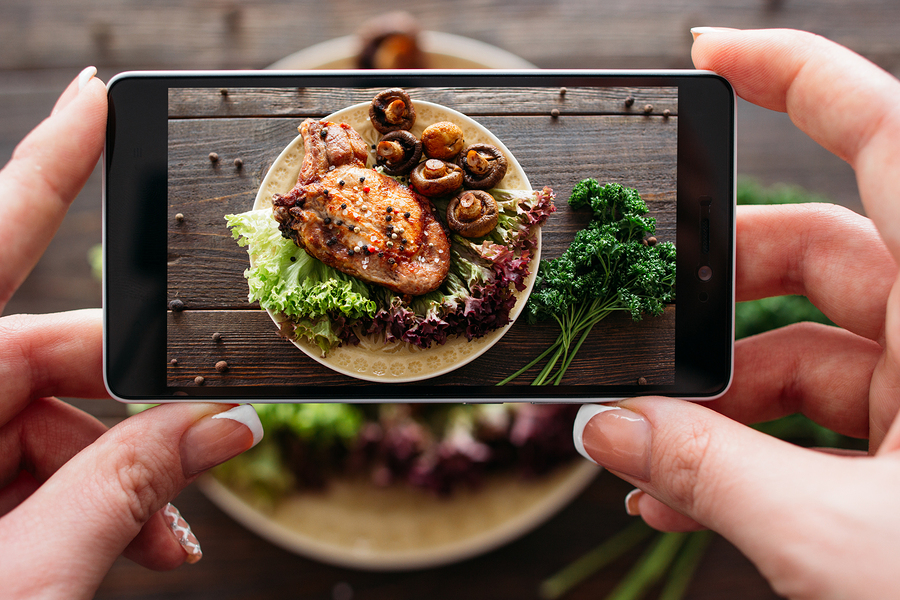
You see the ad on TV for the casual restaurant chain; beautiful food, luscious, mouth-watering dishes redolent in bright colorful hues with freshly-made steam stunts and sizzle sound effects designed to get that mouth watering. You might eat the screen.

We’re confident the chain brand minders see these displays of gastronomic splendor as adoring portraits of what they want consumers to believe. You can almost taste the flowing, cascading drawn butter. But then…there’s the actual experience. You can also see the disappointment train hurtling towards the taste buds at break-neck speed, when in reality the product itself can’t reasonably fulfill the promise envisioned in the marketing.

Over-cooked proteins running along side the previously freezer-burn state of ingredients comes through in chewy textures and dryness that slams head-on into the saucy, just-ripe, fresh product pictorial. Imagery can be artfully arranged on beautiful plates displayed in the advertising. If everyone could just eat the ad, please!

What’s the price of breaking a promise and expectation?

What is presented as hand crafted comes through as factory made, and in that bright shining moment the aura of disenchantment comes home to roost. Yes you can cynically declare, “sure but what did they expect, it’s a chain restaurant after all, not some high-end white tablecloth place.” Even in the silver service trade the same experiences of historic letdown can be had when chefy epicurean food doesn’t ring true and questions arise about who is really behind the kitchen stove.

Just beyond the restaurant service levels, dining room experience, wait times, order accuracy, cleanliness, friendliness and all-around happiness-inducing procedures, lurks the opportunity to either delight or dissatisfy.

Across the continuum of retail experiences from supermarkets to clothing retailers to department stores, boutiques and beyond, everyday there are moments available to wow and surprise or participate in an epic fail. In today’s digital culture, the reality, broad-daylight moments can be relayed to communities of friends or fans in mere seconds -replete with accompanying photography or video to verify the facts.

True experience is key. The validation of assertions in marketing is so incredibly important, we, at Emergent, have built an entire marketing model around trust creation. We call it Validation Marketing. The price of failure to build trust is just too great. Reputation is everything and reality is the truth serum administered daily by measuring the gap between promise, purpose and actual proof.

The decline of marketing effectiveness has often been laid off to the “interruptive” tactics of forcing people to gulp down sales messages. Now that consumers have control over media, the force-feeding is about gone. Persuasion sits on the garbage pile of old-line mass media ploys – a communications dog that just won’t hunt anymore as consumers click to avoid the onslaught.

However we have another aligned explanation: the wink-wink of imagined expectation vs. authenticity served early and often, has constructed a concrete chasm between brands and their users. You cannot underestimate the fallout, the insidious rust and corrosion that’s heaped on brand/consumer relationships when ‘actual results may vary’ stings the hardest. It happens all too often when what someone thought would occur inside the store or product package gives way to the “the little white lie” that was shaped with cinematic story in the marketing.

Transparency reigns supreme

There have been too many trips to disappointment junction. What we now have is a belief breach in the brand relationship. If the product or store experience doesn’t match the marketing is it wrong to go there in the first place? It might be.

Every brand, every business today lives in a glass house. What can be known will be known digitally, quickly and by ever-larger audiences. So the distance between anticipated outcome and actual experiences must be closed. The trophy in the battle for future growth will go to those marketers who understand the significance of this behavior principle. Sweating the details of how everything works to deliver on expectations is required. What you say, especially do and provide must all match up.

How does an organization assure that the truth is told rather than fiction? If the truth about the product is sub-optimal, fix the product – ditto store experience. By the way, the product and experience IS the marketing.

When transparency is embraced as a marketing principle, the move to ‘reveal all’ changes the paradigm of how plans, programs and communications are built. If you are amply proud of your product and store experience because the real encounter and formula is indeed terrific, then pulling the communications curtain open a bit wider becomes more comfortable, do-able.

  • Trust sits at the core of everything in marketing and in business. Having respect for the consumer’s welfare and intelligence should share equal stature in how strategies are created. Employing trusted sources and voices as part of the marketing mix are vital to helping validate what is promised.

This is the price of admission, now, to a brand relationship. It’s a 360-degree approach to marketing and planning that recognizes how all aspects of what a brand or store or restaurant does and how it performs must be factored into the trust equation.

What delivery on the promise looks like:

  • SweetGreen’s promise of devotion to fresh, real produce ingredients is true and lives in the product experience.
  • Starbuck’s assertion as a third-place of social experience is for the most part, a true thing (some recent behavioral missteps a note-able exception).
  • Apple’s promise of intuitive product experience is for the most part, true.
  • Amazon’s delivery of a friction-less e-commerce shopping environment bears truth daily.

For every true there’s many more that routinely blow the tire between what’s promoted and what happens. The organization’s total commitment to optimal quality and experience is required BEFORE communications are designed.

Communications inspired by transparent outreach and allowing consumers inside the tent, will win out over the portraiture that looks great on the surface, but is hiding something else underneath. The really great athletes in virtually every category of competitive sport achieve their fame and fortunes daily by working, sweating, training, trying and performing. They are driven to do so.

Marketing should fully embrace those same operating principles, energy and work ethic. No disguise needed.

Looking for more food for thought? Subscribe to our blog.

Bob Wheatley is the CEO of Chicago-based Emergent, the healthy living agency. Emergent provides integrated brand strategy, communications and insight solutions to national food, beverage, home and lifestyle companies.  Emergent’s unique and proprietary transformation and growth focus helps organizations navigate, engage and leverage consumers’ desire for higher quality, healthier product or service experiences that mirror their desire for higher quality lifestyles. For more information, contact Bob@Emergent-Comm.com and follow on Twitter @BobWheatley.



GENERATION ZEITGEIST – brands and social politics merge

June 2nd, 2018 Posted by brand marketing, brand strategy, change, CMO, consumer behavior, Consumer insight, Healthy Living, Human behavior, Insight, Marketing Strategy 0 comments on “GENERATION ZEITGEIST – brands and social politics merge”

Wallet wields power and Z-ers are ‘voting’ with it

Alert: in two short years Gen Z will be 40 percent of all U.S. consumers. They arrive in economic primetime with a distinctive and unique point of view: economic power is a tool for social change and improvement.

Dissatisfied with politics and politicians whom they feel can’t be trusted to operate decisively for the greater good, Gen Z-ers see their purchases as influential and an expression of what they want the world around them to believe about their priorities and values.

For brands this means young people expect companies to use their influence and platforms for the greater good, to imbue their brands with greater meaning, and to create pathways for participation in something that’s meaningful.

Voting with their dollars

According to a recent study by DoSomething.org:

  • 76 percent of Gen Z-ers have purchased a brand specifically to support issues the brand stands for (this of course assumes the brand indeed stands for something beyond its product expertise, business results, and to the benefit of people and society).
  • 67 percent have stopped purchasing a brand or would do so, if the company does not operate in alignment with their beliefs and values.
  • 40 percent have used purchase power intentionally to boycott bad company behaviors and policies, or to influence improvements and change.

A more values-driven generation, Z-ers believe what you buy and where you shop or eat is a cultural, and at times political, statement. So it’s no surprise the study discovered 49 percent believe it is vital for a company to have social change initiatives in their mission and planning.

Consumerism and the channel for change

Z-ers see mainstream politics as often out of touch with social and environmental issues they deem important, such as gun control and climate change; and politicians as operating in a cycle of self-interest at the expense of others’ well-being as with DACA, healthcare, justice reform, and some aspects of the current political environment on immigration.

Importantly, this can be attributed to control. Z-ers may feel public policy operates beyond their sphere of influence, but economic power tied to social change issues, is seen as entirely within their realm of accessibility to participate in something that matters.

What’s important to note here is the focus on social change and improvement; a generation of consumers who place priority on helping the world around them, and who expect brands to participate in a meaningful way in this arena with them as a prerequisite to earning and maintaining their business.

Higher Purpose?

What is your brand and company mission beyond the balance-sheet interests? And by the way, this is not just a call for philanthropy. Check writing in service of a cause is not unimportant, but this goes beyond donations to how the company’s core purpose is configured.

For food businesses this can be about addressing issues like sustainable agriculture, improving the quality and health of food generally for people, fair wages for farm workers and fair trade practices, or taking care of those less fortunate through proactive and tangible acts and programs.

  • Of course, given we live in the era of anything that can be known will be known, it is not possible to do this with window-dressing assertions and marketing that’s disconnected from real behaviors. Z-ers can quickly assess if the brand has a soul or not, or how to sort authentic motivation from business as usual.

For this very reason, Emergent has embedded Higher Purpose assessment and evaluation as a core part of our capability – to help clients determine or refine their path to social good and mission that extends beyond product and promotion.

Z-ers see this as integral to the purchases they make. What you stand for and how you behave as a brand are under the cultural microscope. Now more than ever, pocketbook politics is a thing to be factored into plans and programs. It manifests from a core belief system sitting in service of society, people, their growth and welfare, planet earth, the environment and government policy.

If anything at Emergent we see this as refreshing and an evolutionary improvement that helps advance the role business can play beyond rewarding investors. It’s okay now to espouse beliefs, to enact efforts for social change and to put this out front as a measure of what the company believes and values.

The operable point here is the overwhelming desire people have, in all age cohorts, to be a part of something greater than themselves. This principle simply gains more importance among Z-ers who operate with intention in their purchases and active alignment with brands they care about and see as consistent with their values. In saying this, all purchases become a form of symbolic signal.

What flag are you waving?

Looking for more food for thought? Subscribe to our blog.

Bob Wheatley is the CEO of Chicago-based Emergent, the healthy living agency. Emergent provides integrated brand strategy, communications and insight solutions to national food, beverage, home and lifestyle companies.  Emergent’s unique and proprietary transformation and growth focus helps organizations navigate, engage and leverage consumers’ desire for higher quality, healthier product or service experiences that mirror their desire for higher quality lifestyles. For more information, contact Bob@Emergent-Comm.com and follow on Twitter @BobWheatley.
Nation’s Restaurant Chains Stumble Onto Goldmine

May 15th, 2018 Posted by brand marketing, Culinary inspiration, Digital ordering, Food service, Healthier habits, Healthy lifestyle, Healthy Living, Navigation, Restaurant trends, Retail brand building 0 comments on “Nation’s Restaurant Chains Stumble Onto Goldmine”

Can regulation make it rain?

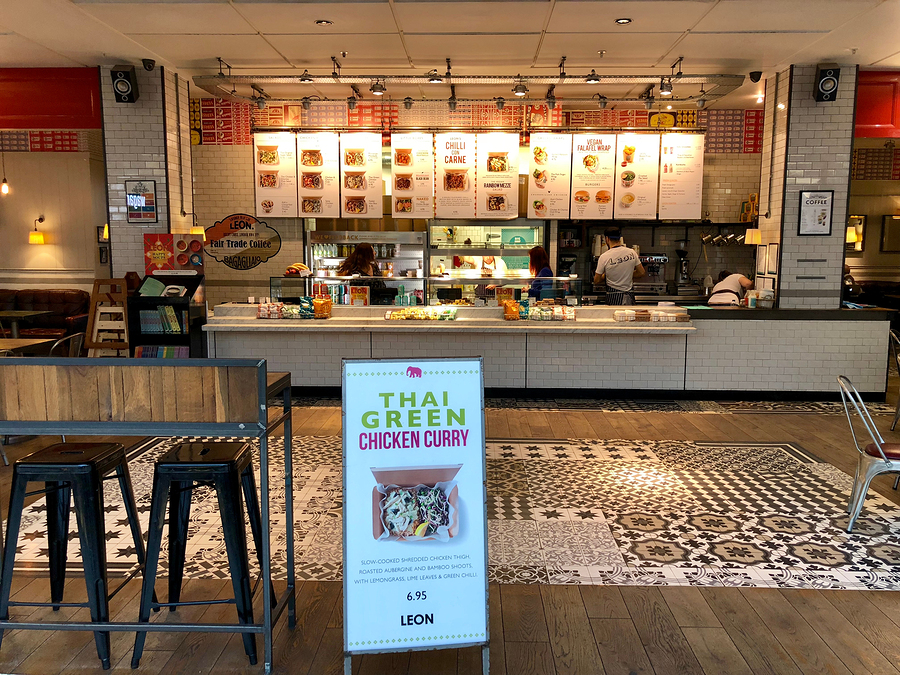
On Monday, May 7 Federal regulations went into effect requiring any foodservice retail business with 20 or more locations to begin posting nutritional details for food and beverage items on their menus. For most foodservice operators this means a revamp of menu descriptions and the addition of nutrition data sections at their web site and point of order. Typically this features spreadsheet-type lists spraying a blurry, eye chart-worthy inventory of calorie, fat, sugar, cholesterol and sodium stats.

But hidden within the clarion call for more what-you’re-eating disclosure is a potential restaurant business goldmine. At stake is an important regulatory-inspired opportunity for change. Important given foodservice businesses already face increased dining dollar competition from the significant resurgence of home cooked meal popularity. Yes, a home kitchen renaissance is underway, spurred by pervasive consumer interest in healthier foods and a desire to exercise more control over meal preparations, portions, costs and ingredients choices.

  • Studies show consumers believe dining out means agreement to compromise on their healthy eating interests while they navigate a trip down the boulevard of indulgence. A recent report by food industry trends watcher The Hartman Group, revealed consumers increasingly blame restaurants for a stunningly short list of healthier choices and absence of transparency around food – thus why they feel obligated to stow their healthy lifestyle interests at the vestibule of their favorite restaurant.

According to Hartman’s work, when the majority of consumers who already claim eating out is less healthy answer why this is true for them, the top scoring reason ̶ at 41 percent of those surveyed ̶ was a focus on ‘other things’ rather than health and wellness. But maybe it doesn’t have to be this way.

If prevailing food culture shifts point to home-cooked meals as the best and healthiest option for the vast majority of consumers, where does that leave restaurants on the better-for-you lifestyle bandwagon?

Could regulation make it rain?

The regulatory requirements may have issued a super-sized opportunity to reframe the restaurant menu story around a greater variety of healthier menu options. Then advanced with new technology that allows patrons to configure their own more informed, personalized menu choices ahead of arrival or on site with mobile friendly apps.

Reformulation through culinary innovation

But first, is the product itself. Restaurant meals can be made healthier without sacrificing taste by applying some of the more enlightened thinking now fueling the growth of new, emerging packaged food brands that are mounting a supermarket shelf takedown. Novel ingredients, cooking techniques, new forms of sweetening using natural sugars or sauces made with vegetable broths; meat alternatives formulated from nuts or pea protein – a cornucopia of new innovation is circling the food industry with an offer of improved nutritionals while delivering the indulgent flavors and textures of chef-inspired food.

There’s simply no longer any reason why menu items can’t be made healthier while retaining taste. It may add cost per serving but then we’ve also have seen repeatedly seen that consumers are willing to pay more for healthier fare if it can be verified as such – assuming taste is not sacrificed on the alter of improved nutrition numbers.

California Pizza Kitchen (CPK) and MyMenu Tech

San Diego-based digital foodservice player HealthyDiningFinder.com, originally stepped into the restaurant marketplace to curate a search-able database of restaurants offering healthy menu items. More recently, they’ve rolled out their new MyMenu platform at CPK and Mexican cuisine specialist Rubio’s Coastal Grill, an algorithm driven business that offers restaurants a plug-and-play solution to their regulatory obligations, but served in a more user-friendly experience. It also brings a compelling add-on benefit: personal menu customization.

California Pizza Kitchen’s MyMenu pages open the door to new reasons to visit: With a few short clicks using a sliding bar selection tool on desired nutritional limits, the platform automatically sorts menu choices according to these preferences while calling up attractive photos and detailed descriptions of each dish or beverage. It reveals what’s in them and what they impart in terms of nutrition impact (calories, fat, sugar, etc.).

The Rubio’s MyMenu page also offers a pre-set list of menu alternatives created by Healthy Dining’s dietitian experts around lifestyle preferences such as Energy, Fit Lifestyle and Weight Control. Each choice rolls up special menus based on these specific interests.

The tool’s flexibility creates the option to customize a dish with ingredient swap-outs or to build a full meal while each dish and drink selection repopulates the overall impact on nutrition outcomes, so you know immediately how many calories and fat grams are involved.

  • In a soon-to-arrive platform enhancement, Healthy Dining says guests will be able to save selections for future use, and there will be options for purchase on-site, for pick-up or delivery. Then patrons will be able to build and retain their own personal menu for a variety of their favorite eateries using the tool  ̶  all based on individual dietary preferences and healthy dining interests.

Of course, the key here is to actually have healthier choices available, and in doing so, solve the dilemma of perceived nutritional sacrifice that restaurant eating might entail. The goldmine is simple: remove the friction from healthier choice at out-of-home eating by offering more healthy choices.

Then look to software platforms like MyMenu to allow patrons to examine, sort and retain their healthy meal preferences ̶ and with it creating an opportunity to forge foodservice brand preference.

For those restaurants that get this right, it could be an equally compelling do-it-for-me dining offer that rivals the siren song of home cooked healthier meals.

Looking for more food for thought? Subscribe to our blog.

Bob Wheatley is the CEO of Chicago-based Emergent, the healthy living agency. Emergent provides integrated brand strategy, communications and insight solutions to national food, beverage, home and lifestyle companies.  Emergent’s unique and proprietary transformation and growth focus helps organizations navigate, engage and leverage consumers’ desire for higher quality, healthier product or service experiences that mirror their desire for higher quality lifestyles. For more information, contact Bob@Emergent-Comm.com and follow on Twitter @BobWheatley.


Home cooked meals

Kitchen Commanders Hold Reign

April 20th, 2018 Posted by brand marketing, Brand preference, brand strategy, consumer behavior, Consumer insight, Culinary inspiration, Culinary lifestyle, grocery e-commerce, shopper behavior 0 comments on “Kitchen Commanders Hold Reign”

Mining the resurgence of scratch cooking

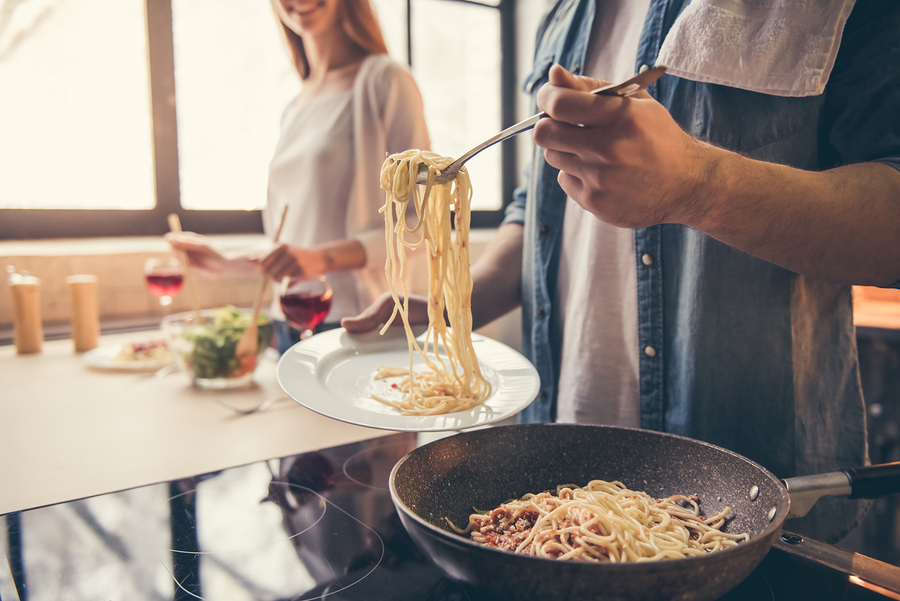
The kitchen is mounting a serious popularity comeback as consumers increasingly opt for meals at home over meals cooked somewhere else. While digital grocery buying is on the rise, the net outcome of what’s purchased, regardless of shopping channel, ends up sooner or later in a sauté pan on a cooktop.

Yes, it’s true in our online, connected world – in five to seven years, and maybe sooner – 70 percent of consumers will be purchasing food and beverage products online. That ladders up to more than $100 billion in transactions by 2022, according to Nielsen Digital Imperatives report.

  • Of note: we’ve already arrived at the end of borders, boundaries and lanes in channel shopping behaviors. Omni-channel shopping is simply a reflection of the increased comfort level with buying fresh and perishable foods online – the last remaining barrier to crumble in favor of e-commerce growth. What lies ahead is the demand for fluid, seamless shopping experiences as needs and preferences move from mobile ordering to in-store exploration, from delivery to squeezing your own tomatoes – all inter-changeably.

Whether brick and mortar food retail is optimally positioned for this reality is unclear. What is crystal clear, however, is a shift in supermarket business models from selling e-commerce friendly boxes, cans and bags off shelves at velocity, to answering preferences for navigating the perimeter fresh grocery departments. This is where consumers increasingly labor to solve real-time meal and menu needs using ingredients they expect to cook. Shop at 5 pm and eat acquired food at 7pm.

Adventures in culinary experience – at home

According to The Hartman Group’s “Transformation of the American Meal” report, seven out of 10 consumers currently eat scratch prepared meals at home. “Americans tend to agree that the best meal – the healthiest, tastiest and most emotionally satisfying is a freshly cooked homemade meal,” reports Hartman.

This makes absolute sense:

  1. Fresh, real foods are seen as healthier and higher quality. These items involve cooking.
  2. People want more control over ingredient quality, preparations and portion sizes; this includes seasoning and sweetening decisions.
  3. The emergence of meal kits also helps simplify the menu decision and the cooking process with partially prepped ingredients.
  4. Popularity of cooking shows and food websites/blogs, reveals the growing fascination with creativity and learning in food preparation and skills development.

Cooking is back with a vengeance. Scratch cooking behaviors will vary in intensity and commitment from heat-to-eat prepared meals to creating an entire menu from whole foods. Somewhere in the popular middle are meal recipes that combine fresh food ingredients with some packaged or pre-made items such as pasta, stocks and baked goods.

However you slice it or dice it, this is a bona-fied banquet of opportunities for food and beverage companies wanting to forge deeper relationships with consumers. How? By helping enable their passions in the kitchen.

While food choices and possibilities are more abundant than ever before, time and energy continue to grow scarce. With time scarcity is the increased need for guidance, ideas and support in various forms that help consumers achieve their culinary passions (if not their day-to-day meal preparation needs) with minimal frustration.

The friction for consumers grows in tandem with increased shopping trip frequency for smaller, meal-focused baskets. People don’t really know what they’re having for dinner, the most considered and mentally taxing meal of the day, before it’s just about time to sit down at the dinner table. What’s emerged is just-in-time food shopping aimed at creating a menu. Food retailers need to solve the meal trip phenomenon with more convenient in-store experiences (grab and go kits). Navigating a 60,000 square foot store for five to seven items will increasingly drive food shoppers online for easier click and collect or shortened delivery windows.

We know that brand building in the consumer-control era begins first with empathy for shopper needs and interests. If a food or beverage brand wants to forge a deeper relationship, it will be founded on becoming more meaningful and valuable. It’s clear the opportunity here is to help solve these recurring ‘what’s for dinner’ challenges.

The cornucopia of food brand marketing solutions:

  • Meal ideas, menus and shopping lists
  • Assistance with recipes, preparation steps and enhancing cooking skills
  • Creating or enabling in-store culinary events and tasting experiences
  • Building social channel communities of like-minded home cooks sharing ideas, experiences, hacks and recipes
  • Creating culinary clubs and educational experiences to inspire new food adventures and experimentation
  • Marrying kitchen tools with the food to enhance reliable, optimal outcomes –especially in baking where precision is essential
  • Considering culinary lifestyle marketing strategies that surround the consumer in their areas of interest and passion from health and wellness to global taste exploration

Message and content creation opportunities here are virtually boundless. The opportunity to be relevant and valuable is compelling. But to be sure, this is one of those moments when brand voice and authenticity will ultimately separate the winners from the posers.

If your organization lacks a fundamental passion for food and culinary experience, it’s doubly hard to bring relevance and proper context to marketing communication. Consumers are amply able to identify the genuine from the artificial.

If your organization breathes the love of food and food experience, it will manifest in the quality of communication that drives brand value and engagement levels. Consumers will reward food brands that align with their needs by opting in to user communities.

It is, indeed, the Golden Era of food marketing.

Looking for more food for thought? Subscribe to our blog.

Bob Wheatley is the CEO of Chicago-based Emergent, the healthy living agency. Emergent provides integrated brand strategy, communications and insight solutions to national food, beverage, home and lifestyle companies.  Emergent’s unique and proprietary transformation and growth focus helps organizations navigate, engage and leverage consumers’ desire for higher quality, healthier product or service experiences that mirror their desire for higher quality lifestyles. For more information, contact Bob@Emergent-Comm.com and follow on Twitter @BobWheatley.


Millennials and Meal Kits: Will Dynamic Duo Shine in Supermarkets?

March 15th, 2018 Posted by brand marketing, CMO, Culinary inspiration, Culinary lifestyle, food experiences, food retail strategy, Food service, Food Trend, shopper behavior, Supermarket strategy 0 comments on “Millennials and Meal Kits: Will Dynamic Duo Shine in Supermarkets?”

Retail kit growth could impact restaurant business…

Recently we learned that Walmart is planning to introduce prepared foods and meal kits to their stores nationally. This action is in response to an increased interest among Millennial shoppers for more convenient and higher quality, fresh ingredient meal solutions.

Given Walmart’s massive size, the impact of this move could create more challenges for an already stressed restaurant marketplace and help trigger other supermarket companies to upgrade their own meal kit strategies, compounding the impact. Technomic reports business has slowed for the last two years at the nation’s top 500 restaurants. At casual chains like Olive Garden and Chili’s, growth went from an average 4.7 percent in 2015 to flat in 2017.

Millennial preference for home cooked meals

According to Port Washington, NY-based NPD Group, 83 percent of Millennial consumers report more cooking at home and fewer restaurant visits, while 63 percent of Millennials say they want to cook more.

Concurrently the supermarket business is in the midst of transformation as Millennial shoppers flipped the script, causing a move away from traditional center store packaged foods, to shopping the perimeter departments for fresh, real food options. The fresh trend is seen as evidence of their preference for home prepared meals. Thus, also helping explain why legacy “big food” brands have seen their market shares decline in key packaged food categories over the last 10 years.

  • At the core of this behavior is a central theme: virtually all generation cohorts – from Boomers to Gen Z – have connected the dots between higher quality, real food experiences and desire for a healthier lifestyle.

The interest in cooking at home is an outgrowth of efforts to assert greater control over ingredient quality, preparations and portion sizes along with the ability to better manage household food spending. At Emergent we see another explanation: the consumer’s love affair with food and culinary inspiration continues. The desire to exercise that creative calling in the kitchen is strong as it fulfills the number one driver for food purchase and consumption: healthy lifestyle. Consumers tacitly believe that home cooked food is healthier.

Boxed food adventures

Perhaps one of the most important, embedded features of meal kits is the ability to experiment with new cuisines and flavors at low risk and with ingredients already portioned and in some cases prepped.

When dinner is now often decided at 5 pm the day of consumption, kits are an enticing just-in–time option to solve the meal need, without having to shop a 50,000 square foot store for five to seven items. It’s a form of high quality culinary convenience that meal kit companies like Albertson’s Plated brand often deliver with a backstory and ethos sitting underneath.

Millennials passed Boomers in 2016 to become the largest domestic audience of shoppers, numbering some 75.4 million topping the Boomer generation’s previous lead of 74.9 million mouths. This generation has grown up with global cuisine; the rise of specialty food markets, locally-sourced ingredients, unique restaurant concepts, and even chef-driven bar food.

It’s telling to note that fully 24 percent of the entire Millennial cohort shopped Whole Foods last year even though the chain has only 430 stores – a remarkable statement about their interest in higher quality food options.

As e-commerce gobbles up more transactions for pantry stock-ups, the food retail business will depend increasingly on its ability to curate unique food experiences and fresh ingredient solutions – and that plays right into the hands of grab-and-go kits. What’s not to like, as kits deliver:

  • Curated don’t-have-to-think-about-it menus
  • More convenient scratch cooking solutions
  • Wholesome, higher quality ingredients
  • Easier and quicker prep time
  • Experimentation vehicle for new cuisines, new techniques and personal customization

Food-enthusiastic supermarket?

The meal kit business is symptomatic of larger changes looming ahead in food retail as e-commerce disintermediates the packaged foods category. As a result, supermarkets will be forced to redefine their models once built around selling those packaged products at volume to fuel the balance sheet.

Emergent believes the future of food retail lies in mining culinary inspiration and food experience. Creating the Disneyland effect of “magic” around food adventure and the consumer’s interests in more innovative and interesting food solutions.

Can the food enthusiastic grocery be far behind? The growth of groceraunt concepts will continue to gain ground as food retailers look to leverage their expanding commissary investments for meals to be consumed on site – yet another customer relationship building opportunity! We anticipate more supermarket jobs for classically-trained chefs as a result.

What’s next for foodservice?

Restaurants are entering a new era of innovation competition to more rapidly evolve menu boards and offerings that reflect the cutting edge shifts in tastes, new ingredients and food culture. Restaurants have always been the tip of the spear in new food trends that then trickle down into other channels in the food industry.

Now more than ever the call to action gains momentum for restaurant companies to explore tastes, preparations and ideas to stay ahead as supermarkets improve their fresh food quality, ingredient standards and Deli menus.

It seems to us that restaurant companies also need to explore further the equity in their own brands to potentially create new signature food products that compete in other channels – much as Dunkin Donuts has done with their superb coffee line and Panera with their soups.

  • Millennials’ enthusiasm for food and healthy lifestyle will continue to push grocers to earn their business by providing the quality, selection, and preparation options they want. Restaurants, while innovating on flavor and cuisine, may need to consider expanded channels as enhanced, food-enthusiastic food retailers vie for share of meal occasions.

This may be the most exciting time ever to be in the food business!

Looking for more food for thought? Subscribe to our blog.

Bob Wheatley is the CEO of Chicago-based Emergent, the healthy living agency. Emergent provides integrated brand strategy, communications and insight solutions to national food, beverage, home and lifestyle companies.  Emergent’s unique and proprietary transformation and growth focus helps organizations navigate, engage and leverage consumers’ desire for higher quality, healthier product or service experiences that mirror their desire for higher quality lifestyles. For more information, contact Bob@Emergent-Comm.com and follow on Twitter @BobWheatley.



Mining for Growth: The Consumer’s Relationship with Food

March 2nd, 2018 Posted by Agency Services, brand marketing, brand strategy, branded content, CMO, Culinary lifestyle, Digital marketing, food experiences, Healthy Living, Marketing Strategy 0 comments on “Mining for Growth: The Consumer’s Relationship with Food”

Marketing and the day’s main meal

Cultural shifts and changes impact how consumers treat eating occasions. This condition becomes even more important as people no longer build their schedules around mealtimes. The script has flipped and thus mealtimes are arranged to facilitate the daily schedule.

In this new world order that puts time and where it’s spent at a premium, distinct functional requirements have surfaced around the consumer’s objectives for breakfast and lunch. Breakfast now orbits the purposeful necessity of energy needs and is often governed by habit and routine. It’s also subject to elimination at times. Whereas lunch often falls victim to another evolving behavior – snacking. Like the start of the day, lunch serves as another fuel-stop to drive the personal engine, often while navigating a complex schedule and a fluid set of time priority constraints.

The dinner bell singularly chimes as a culinary and social oasis…

Dinner continues to hold steadfast as the clear winner in time devoted to food thinking, planning and engagement – offering a unique opportunity for brands to become enablers and participants in a personal and social culinary journey.

  • Dinner is a food-forward rite where the meal and menu serve as a means to elevate enjoyment, self-esteem, creativity, exploration and social engagement.

Breakfast, lunch and snacking reside in a practical, efficiency zone. The consumer’s brain-time investment is just different than dinner. In the evening, according to The Hartman Group’s Transformation of the American Meal report, the experience around food and preparation takes on a higher level of priority and added meaning.

What does the consumer aspire to do with dinner?

Hartman reports to fulfill their expectations for:

  1. Good food – nutritious and delicious
  2. Good cooking – skillful, personalized and often from scratch
  3. Good company – enjoyable moments and warm conversation

So, the logistics around dinner are on another level entirely for food sourcing, creativity, time spent and energy invested by home cooks and their helpers. Simply stated, dinner is less routine, not snack-ified and works to satisfy the yearning for shared food adventure.

As a marketer could you find more fertile territory for engagement than the one meal occasion where inspiration and help are clearly needed?

Dinnertime is a clear pathway to relevant engagement

Dinner is rich connection territory and we’re not just talking about flavor profiles. Dinnertime is an open field for resonance exploration and relationship building for both CPG food and foodservice.

When the day has been too mentally and maybe even physically taxing, outsourcing the evening meal is on the agenda. That said we know from secondary studies that people prefer home-cooked meals when they can do it and believe those meals are universally healthier – as home cooks are able to control ingredients, preparations and portions.

However, when scheduling overload collides with evening mealtime needs, restaurant and other “do it for me” solutions hold sway. Meal kits sit in an interesting position as low-risk enablers of culinary exploration, while also making it easier to deliver a high-quality meal with less effort mentally and at the stove.

Ordering food for delivery or visiting a restaurant shifts the balance of time investment from culinary work to social interaction – an important component of the evening mealtime experience.

The eco-system of needs and requirements for the evening meal is a place where brands can play a pivotal role. Key direction: help make dinner meal planning and execution more enjoyable.

Areas to leverage strategically:

  • Health and wellness – key to lifestyle preferences across the board. What’s the bulls-eye? Helping people bridge their interests between healthy ideals and indulgent desires. Now that higher quality food experiences have become the new healthy, the door is open to blending these two universal human needs.
  • Palate planning – for the most part dinner has increasingly become a just-in-time mini-shopping event as people, often coming from work, stop at the store to shop for menu ingredients. Right there is a moment of uncertainty that can become more purposeful with the right menu ideas and curated shopping lists.
  • Social connection – the social milieu around dinner is an interesting pastiche of enlivened senses, warmth, close attention and enjoyment that enables sharing and conversation. The dinner table is more than a piece of furniture. It’s a place where memorable moments and personal connection are served right alongside the main course.

If effective brand communication is dependent entirely on its relevance to consumer interests and passions, then imbuing your brand with greater meaning becomes paramount in making marketing investments work.

Knowing this, dinner is an important moment and opportunity where need and fulfillment are open territory for brand helpfulness. Also vital to note is the significance that food culture informed strategies play to secure consumer engagement in social channel and content marketing outreach programs.

  • Said another way, it is often the absence of cultural resonance and connectivity that dooms brand communication to the vast pile of ignored messages.

It’s our job here at Emergent to monitor these cultural and consumer-insight conditions so we’re able to respond strategically and creatively for the brands and businesses we represent. If your strategic plan isn’t feeding and exploring these important moments of real-life consumer connection…then you’re potentially skipping the marketing meal that offers the greatest opportunity for engagement and brand growth.

Is it dinnertime yet?

Looking for more food for thought? Subscribe to our blog.

Bob Wheatley is the CEO of Chicago-based Emergent, the healthy living agency. Emergent provides integrated brand strategy, communications and insight solutions to national food, beverage, home and lifestyle companies.  Emergent’s unique and proprietary transformation and growth focus helps organizations navigate, engage and leverage consumers’ desire for higher quality, healthier product or service experiences that mirror their desire for higher quality lifestyles. For more information, contact Bob@Emergent-Comm.com and follow on Twitter @BobWheatley.


Archives

Categories