
Posts tagged "consumer insight"

Emotion and brand strategy

Psst Marketers – Time To Get Intimate

September 21st, 2017 Posted by brand marketing, brand strategy, consumer behavior, Consumer insight, Culinary lifestyle, food experiences 0 comments on “Psst Marketers – Time To Get Intimate”

Considerations As You Enter Planning

Recently on an episode of “Master Chef,” a home-cook contestant became emotional when presenting his dish to rave reviews. With tears welling in his eyes, he shared the backstory…his cultural heritage which influenced the flavors; the technique learned from family struggling to stretch their food dollar; the pride (and frankly, relief) of successfully honoring his family and the ingredients by coalescing all of those experiences into his dish — all on a plate, for others to enjoy — to be shared.

Celebrity chef and judge Aarón Sánchez comforted the 20-something contestant saying knowingly, “Food is very intimate.”

Intimate.

Yes, the sharing of something very personal; meaningful; even emotional.

As food marketers, many of us get sucked into the vortex of textbook “product” features and benefit-selling forgetting, or consciously rebuffing, the most important consumer insight of all. Just like our young Master Chef cook, people care deeply about food.

Understanding this powerful relationship between food and cook has moved beyond the anecdotal. Tapping into our purchasers’ emotions is no longer just one of the tactical options in the Creatives’ bag of tricks. It’s actually a new way of managing your brand and going to market.

Marketing — We’ve Been Doing It Wrong!

Most important for today’s brand managers and marketers is understanding our “consumer targets” are, first and foremost, people: who are feeling creatures that think — not thinking creatures that feel.

We’ve known tapping into emotion is an important and powerful persuasive force in brand communication. Now we know why — because it connects most readily to the sub-conscious where decision-making occurs in the blink of the eye — and with the deepest conviction of one’s own “gut feeling.”

So, if most decisions and actions are created by the sub-conscious part of the brain and in an instant, why do marketers continue to focus on analytical messaging that assumes people make considered, rational decisions? Any factual product features or benefit will be evaluated — in the end — against how the consumer feels about the brand or product.

After all, “the heart wants what the heart wants.”

It’s All About the Touch-Points

Understanding the dominant role emotion plays in decision making should have a profound impact on how we go to market — especially in the food business, which is intrinsically an emotion-rich category.

The marketing goal is to connect to what your brand and product means to your consumer and how it helps enable in their lives.

Culinary inspiration is often a great place to start because it immediately looks at food through the emotion-based lens of experience: the preparation and enjoyment of eating; and the social dynamics between people sharing time in the kitchen and around the table. For some, food might mean taking pride in being a good moms like our young contestant, honoring tradition by sharing the legacy of time-honored family recipes and techniques.

So, as you step into planning, ask yourself what are the intimate, personal and emotion-rich touchpoints connecting your consumers to your brand.

Here are some important questions to consider in planning:

  1. Do we have insight into the consumer’s passions and concerns around their lifestyle and how the brand and product sits in service of their needs?
  2. How can the brand be an enabler of their lifestyle desires?
  3. What are the emotional links between the consumer’s self-interests and the brand?
  4. How can the brand demonstrate it cares about the same values as our consumers?
  5. How can we tap into the real feelings about the experience taking place around the product?

Understanding these key insights is how we at Emergent develop effective outcomes that are transformational for our clients.

Looking for more food for thought? Subscribe to our blog.

Bob Wheatley is the CEO of Chicago-based Emergent, the healthy living agency. Emergent provides integrated brand strategy, communications and insight solutions to national food, beverage, home and lifestyle companies.  Emergent’s unique and proprietary transformation and growth focus helps organizations navigate, engage and leverage consumers’ desire for higher quality, healthier product or service experiences that mirror their desire for higher quality lifestyles. For more information, contact Bob@Emergent-Comm.com and follow on Twitter @BobWheatley.

 

Wine and food marriage

Wine and Food – a marketing power couple

September 14th, 2017 Posted by brand marketing, consumer behavior, Culinary inspiration, Food and wine, food experiences, storytelling 0 comments on “Wine and Food – a marketing power couple”

Consumer-centric strategy wins every time…

Wine is a unique business characterized by literally thousands of competing brands all packaged and presented similarly. Where marketing is often built around vineyard and winemaker stories, sprinkled with a dose of influencer reviews from a narrow cadre of respected bloggers, writers and wine-centric publishers. Unlike the beer world where some larger brands can afford to spend heavily on consumer pull, for the most part, wine is a trade push story built around trial in on-premise channels while courting volume sales in the off-premise (liquor stores, supermarkets and specialty).

Brand awareness and equity is just a completely different conversation in the wine category. Here, consumer reviews and experience are likely to be crucial to fueling word-of-mouth. In the super-premium end of the category, mainstream marketing tactics can often hurt more than help by diluting the perception of “discovery,” uniqueness and artistry.

That said the wine business is also rich in storytelling material around terroir, viticulture and oenology. Yet despite the differences in such distinctions as soil condition, microclimates and the styles of winemaking, a pervasive “sameness” exists in the presentation of brands at retail.

In the end, wine leans into a very self-reverential form of communication. We have a saying here at Emergent: the brand that gets closest to the consumer wins. If you work backwards from that premise with wine, it doesn’t take long to see the storytelling value of drawing upon consumer experience and context with these brands.

Most often, that setting is about the marriage of wine and food.

Early in my agency career, I had the honor and privilege of representing Chateau Ste. Michelle winery at the time, a boutique vintner of premium wines in what was an emerging industry in Washington State.

Baptism by wine…

For a home chef like me, working with Chateau Ste. Michelle winery was a dream assignment – an opportunity for an immersive education about wine making from the masters of this unique artisanal industry. Initially, our focus was on telling the Washington Wine Story. The wine-growing region of Washington State roughly parallels the latitude of the winemaking areas in Bordeaux, France – so we worked to draw similarities in climate and soil conditions that would favor the creation of exceptional wines, especially their Cabernet Sauvignon.

It was a form of flag wave in a business preoccupied with Napa Valley notoriety.

Then something extraordinary happened that provided a real-world lesson in consumer relevance driving business outcomes.

Ste. Michelle’s owner, the U.S. Tobacco Company, decided to grace its small winery operation with a unique and unexpected parent-company “gift.” Ste. Michelle was to become one of nine title sponsors of the Statue of Liberty Restoration, an enormous public/private partnership enlisting some of the world’s largest corporations as primary contributors.

The question came in from the management team at Ste. Michelle, what are we to do with the Statue of Liberty Restoration sponsorship among all of these Fortune 100 companies? These are organizations with deep pockets to spend leveraging the connection! How would this be made viable for the wine business? Was there any path that would net a benefit to the winery and come at an affordable cost?

The outcome of a considerable team planning effort was a unique and innovative idea to produce a cookbook based on the immigrant experience and the cuisines they brought to this country from other lands. Wine and food is already married. A culinary approach would be consistent with the brand’s imagery and resonate with the consumer’s experience.

We started to build on the concept – the cookbook could be made available free for a donation to the Statue of Liberty fund. It could be purposed as a store level promotional incentive for wine buyers to take the brand, along with displays promoting the book offer. We could use the book launch as an innovative platform for media outreach.

Chateau Ste. Michelle – “Tastes of Liberty”

To this day, I am still struck by the courage and tenacity of Ste. Michelle’s management team led by then president Allen Shoup and chief winemaker, Bob Betz. The cookbook was to be done first-class in keeping with Ste. Michelle’s premium image – so a commitment was made to coffee table quality. The risks were palpable given the book would be offered free for a $25 donation to the Restoration Fund.

“Tastes of Liberty” literally swam in gorgeous, emotion-generating food photography and began with a very human anthology of the immigrant experience at Ellis Island. While wine pairings were present, every effort was made to assure the book would not be just a brand advertisement. It was to be editorial and faithful to culinary inspiration from cover to cover.

Wine buyers loved the unique idea and execution. They were astounded at the value of the ‘free-with-donation’ offer. Equally so, editorial media were awestruck at the quality of the recipes and the way it was presented. One magazine did a six-page, center-spread story on it. It was a successful venture in many ways and the risks Ste. Michelle took were amply rewarded as the brand secured national distribution.

While a case study example of integrated execution, the light bulb moment here is wine and food’s relevance to people and to their experience with the product. Culinary wasn’t in the background, it was a primary agenda with great care taken to assure the taste experiences matched well with characteristics of each varietal.

Yet today, so many wine brands only nod to food with a recipe tab at their web site. Going deep into culinary unleashes the magic of what happens when consumer experience and brand are aligned.

Yes you can (and should) talk about your soil, your French oak barreling, but taste done within the marriage of wine and food elevates this experience to the dinner table. And to a place consumers respect and recognize emotionally.

In the end, “Tastes of Liberty” was a storybook effort by a team of collaborating players on both agency and client sides. And evidence, once again, of what can happen when imagination, consumer insight and strategy coalesce.

Looking for more food for thought? Subscribe to our blog.

Bob Wheatley is the CEO of Chicago-based Emergent, the healthy living agency. Emergent provides integrated brand strategy, communications and insight solutions to national food, beverage, home and lifestyle companies.  Emergent’s unique and proprietary transformation and growth focus helps organizations navigate, engage and leverage consumers’ desire for higher quality, healthier product or service experiences that mirror their desire for higher quality lifestyles. For more information, contact Bob@Emergent-Comm.com and follow on Twitter @BobWheatley.


Elevated food experiences

Emergence of The New Wholesome Life

September 11th, 2017 Posted by brand marketing, Brand preference, consumer behavior, Culinary inspiration, Food service, Food Trend, Healthy Living, Retail brand building, Transformation 0 comments on “Emergence of The New Wholesome Life”

Food consumption is going home.

The latest consumer survey report from Benenson Strategy Group (BSG) nailed the shift we’ve seen emerge recently: Seventy-seven percent of consumers “almost always” prefer a home-cooked meal rather than a restaurant option. According to the survey, twice as many consumers routinely eat home cooked rather than restaurant food.

It’s a significant change to be sure. We’ve watched the annual creep of food service spending for years as home food consumption lost ground. Consumers seemed content to abandon the kitchen in favor of outsourced meals. All those pots and pans sitting in the cabinet gathering dust as people often favored ‘do it for me’ —especially in the growing fast casual sector.

Well, not anymore.

A kitchen renaissance is in full swing as mealtime moves home and consumers increasingly look for food preparation ideas and menus they can do themselves. From scratch cooking to meal kits and supermarket prepared foods, it’s a mélange of everything. From full-on culinary exploration to time-sensitive partial prep solutions featuring fresh, often farm sourced meal kit menus — all are unfolding in the home kitchen.

So what happened?

We call it emergence of The Wholesome Life — an overwhelming desire for control and authorship over higher quality food experiences. At the crux of this change is a realization that consumers care deeply about managing freshness, ingredient decisions and using foods they believe are simple, clean and less processed.

Consumers, by the way, defined clean eating in the study as:

  • Free from pesticides – 63%
  • Free from added hormones – 49%
  • Food that is all natural – 47%
  • With no added sugars – 38%

Food Navigator’s coverage of BSG’s study outcomes described this in cultural terms as “a desire to eat fresh, wholesome and ingredients they (consumers) can both pronounce and customize to fit their unique dietary needs.” BSG Partner and survey author Danny Franklin reports a rapid climb in interest for “greater control, greater transparency and a greater perception of authenticity.”

Also at work here: realizing and preserving the emotionally-satisfying experiences of serving loved ones and maintaining (and honoring) family time. Right along side the relationship-burnishing benefits runs the passion for a healthier lifestyle, aided to a great extent by higher quality, real food options now prepared at home.

Home is indeed where the heart (and palate) is…

This shift home offers an extraordinary opportunity for food brands and retailers to build more meaningful and relevant relationships with consumers. Whether the motivation is better-for-you eating, satisfying a creative passion to experiment with new cuisines, or facilitate social experiences with friends and family, brands and retailers can become partners and enablers on this journey by offering useful, helpful guidance on:

  • Menus
  • Healthier preparations
  • Snacking ideas
  • Shopping lists
  • Cooking techniques
  • Kitchen hacks
  • Kitchen tool advice
  • Flavor enhancements
  • Special occasion planning
  • Global cuisines
  • Food and beverage pairings

There’s virtually an endless array of opportunities to help feed this preference and behavior, and in so doing, brands can earn a place at the table alongside consumers and their passions around food.

Especially exciting, we think, is the chance to build video content that satisfies the need to know more — served with a big helping of emotional impact because food is such a visual feast. You can almost taste it, right?

So, when are you coming over for dinner?­­­­

Looking for more food for thought? Subscribe to our blog.

Bob Wheatley is the CEO of Chicago-based Emergent, the healthy living agency. Emergent provides integrated brand strategy, communications and insight solutions to national food, beverage, home and lifestyle companies.  Emergent’s unique and proprietary transformation and growth focus helps organizations navigate, engage and leverage consumers’ desire for higher quality, healthier product or service experiences that mirror their desire for higher quality lifestyles. For more information, contact Bob@Emergent-Comm.com and follow on Twitter @BobWheatley.
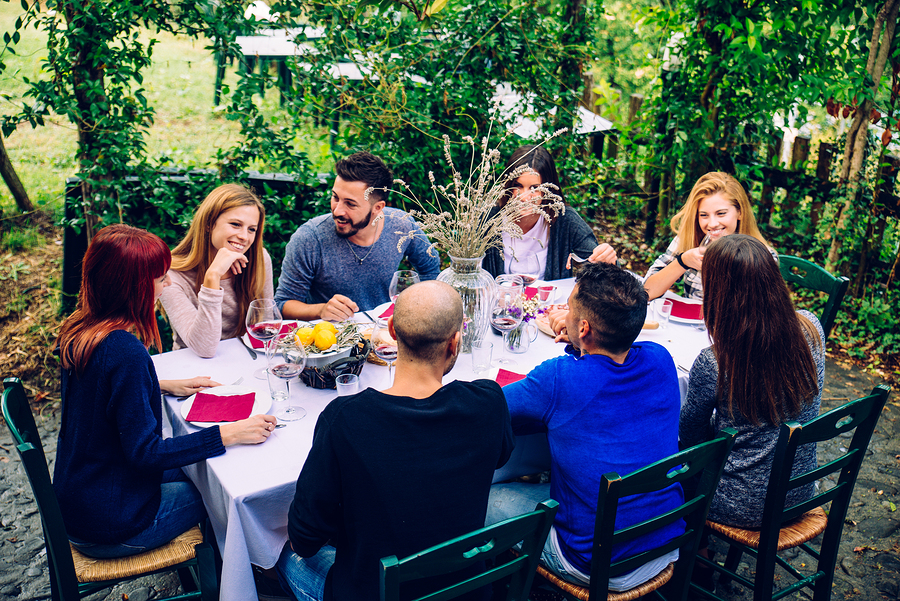


Farm to table dinner

10 Food Shopper Trends We’re Watching

August 21st, 2017 Posted by consumer behavior, Food Trend, Healthy Living, Insight, Navigation, Retail brand building, shopper behavior, shopper experience 0 comments on “10 Food Shopper Trends We’re Watching”

Fresh is the final frontier…

We believe that consumer insight should inform strategy. So we place a great premium around here on monitoring behaviors and cultural trends in the food business.  Even more so now that food retail is at a crossroads with e-commerce accelerating rapidly to compete for more shopping occasions.

Emergent recently examined a series of reports from the Food Marketing Institute and research company The Hartman Group, profiling shopping trends in the grocery retail business.

We’ve identified 10 developments worth watching as the food retail business continues to transform amid the growth of consumer preference for higher quality, more authentic and real-food products.

1. Of millennials, 43 percent are now shopping online for groceries at least occasionally, up from 28 percent in 2016 – a 15-point climb in one year!

2. Most of this growth is coming from households that shop online routinely, and thus are already comfortable with e-commerce transactions.

3. Important to note millennials are more likely, however, to buy packaged products online rather than fresh and perishable items.

4. Gen-Xers with kids are more likely than other cohorts to actively use grocery store apps.

5. Millennials with kids are more likely to participate in grocery store social networks.

6. Millennials are more concerned about CPG and retailer:

Honesty

Openness about animal welfare

Ingredient sourcing

Social responsibility

They are apt to make judgments on the basis of ethics and sustainability practices.

7. Twenty-three percent of grocery shoppers claim to avoid GMOs, mostly for health related reasons, ‘naturalness’ and a desire to know exactly what’s in a product.

8. Top three reasons consumers prefer locally sourced products:

Fresher –                               72 percent

Support local economy –   65 percent

Better taste –                        54 percent

9. Seventy-six percent of grocery shoppers think a home-cooked meal is healthier than out of home meal options.

10. Households with kids have the highest adoption rates for retailer prepared meal solutions; two out of three households purchase them at least occasionally.

Most impressive is the speed of change we’re observing in the food marketplace, and the need for retailers especially to work smarter. This is done by embedding uniqueness and differentiation in their banner brands, and creating immersive experiences for shoppers in both online and bricks and mortar environments.

For retailers and CPGs still vying for transactions, it’s critical to realize that consumers have changed the rules. Those brands and banners that embrace connecting to shoppers in ways they find more helpful and meaningful will earn the business and their loyalty.

More specifically, the path to consumer engagement is shifting and healthy lifestyle is driving this transformation. Emergent is a specialist in leveraging this insight to grow food businesses. We bring the latest insights and innovative strategies to help food businesses navigate the new consumer landscape.

Looking for more food for thought? Subscribe to our blog.

Bob Wheatley is the CEO of Chicago-based Emergent, the healthy living agency. Emergent provides integrated brand strategy, communications and insight solutions to emerging and established food, beverage, home and lifestyle companies.  Emergent’s unique and proprietary transformation and growth focus helps organizations navigate, engage and leverage consumers’ desire for higher quality, healthier product or service experiences that mirror their desire for higher quality lifestyles. For more information, contact Bob@Emergent-Comm.com and follow on Twitter @BobWheatley.
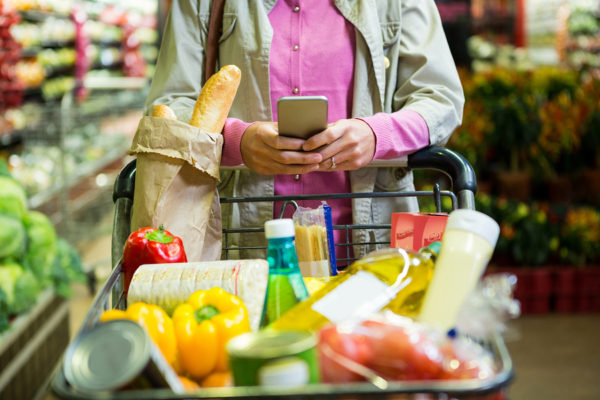
How to Counter Digital Marketing Resistance

August 3rd, 2017 Posted by brand marketing, branded content, consumer behavior, Digital marketing, digital tools, Retail brand building 0 comments on “How to Counter Digital Marketing Resistance”

Five steps to engagement and mattering

Food brand communication is going through a period of disruption and change, as consumers step away from conventional media to devote more and more time to mobile screens and social channels. Digital-based outreach in both narrative and video forms is where the action is, assuming you’re intent on fishing where the fish are.

However, the vast majority of communication in food and beverage categories is essentially re-purposed advertising trying to win a nano-second of attention — in an environment where consumers run from content that appears to be a sales pitch.

Just because you’re spending and ‘getting out there’ doesn’t mean your effort is gaining traction or that your communications is delivering the desired effect and business outcomes. It is harder than ever to simply buy fame and attraction. Why?

Dawn of Digital Resistance

A new challenge is rising up to once again confirm and restate the consumer’s master control over brand engagement: digital resistance. Simply stated, the consumer manages what they’re willing to consume — and anything that starts to look like conventional selling, marketing, feature/benefit communication is getting tuned out.

The alchemy of this change is fueled by the sheer volume of marketing activity trying to secure an audience — operating in an environment where consumers direct when, how and where engagement happens. Additionally, consumers have made it abundantly clear they’re interested in content offering help more than hype. Self- reverential brand messaging and product feature/benefit selling are just not cutting it.

Yet the temptation to focus on overt selling runs deep in our business culture. We believe that if we’re not showcasing and pushing product features, we’re being derelict in our responsibilities as marketers.

Ironically this is the very behavior that shuts down the opportunity for a relationship with those consumers we wish to attract.

When communication looks less like marketing and more like coaching and guiding, traction increases.

So how do you connect without overt selling? To provide some context, here’s how marketing conditions have evolved…

We’re Now Doing Business in the Relationship Economy

In the 1970’s we reached the apex of the Industrial Economy where the focus was squarely on specialization in the marketplace, and functionality of products aimed at modernizing your life. Marketing was about tonnage of media spend and persuasion.

In the 1980’s there was a natural evolution of this condition to the Experience Economy where services rose in prominence along with brand experience in pursuit of lifestyle associations. Marketing increasingly took on the guise of cinematic entertainment.

In the mid ’90’s when the Internet truly arrived, with it came the Knowledge Economy and the empowerment of consumers to start managing the relationship with the brands they cared about. This was fueled by the arrival of access to information previously controlled solely by brands and business. Marketing morphed to be more holistic and integrate ad campaigns with promotion and PR tactics.

Today, we’re doing business in the Relationship Economy where consumers are on a mission to secure greater meaning and purpose in their lives. Consumers now fully manage the interaction with any brand they deem worthy of mattering — by “liking,” “following,” “subscribing” and “sharing” — and ultimately buying. It is a transformative business environment dominated by the influence of cultural shifts. Brands that demonstrate an empathy towards the authentic experiences and content consumers now find most compelling (like ethical behavior, honesty and transparency) will fair better in creating true engagement with the audiences they seek to court.

Five steps to meaningful brand engagement:

  1. Deep investment in consumer insight research aimed at fully understanding your core customer’s lifestyle passions, interests, concerns and desires
  2. Marketing strategy which taps into empathy around how the brand and business can truly improve the customer’s life
  3. Messaging and outreach tools founded on building relevant connections to consumers’ lifestyle interests
  4. Embedding your brand with a ‘higher purpose’ that informs your actions and behaviors helping to secure consumer trust – essential for any real relationship
  5. Communication built around content that operates in service of the customers’ interests; designed to mine emotional cues essential to gaining their attention and associating memorable storytelling moments that help endear them to your brand

It’s important to note here the advice of eminent psychologist Antonio Damasio: “We are not thinking machines that feel. We are feeling machines that think.”

Brand relationships operate in similar ways to the rules of personal friendships. As long as mutual respect is honored and the character of communication is focused on help over hype, the door to engagement will be open.


Looking for more food for thought? Subscribe to our blog.

Bob Wheatley is the CEO of Chicago-based Emergent, the healthy living agency. Emergent provides integrated brand strategy, communications and insight solutions to emerging and established food, beverage, home and lifestyle companies.  Emergent’s unique and proprietary transformation and growth focus helps organizations navigate, engage and leverage consumers’ desire for higher quality, healthier product or service experiences that mirror their desire for higher quality lifestyles. For more information, contact Bob@Emergent-Comm.com and follow on Twitter @BobWheatley.
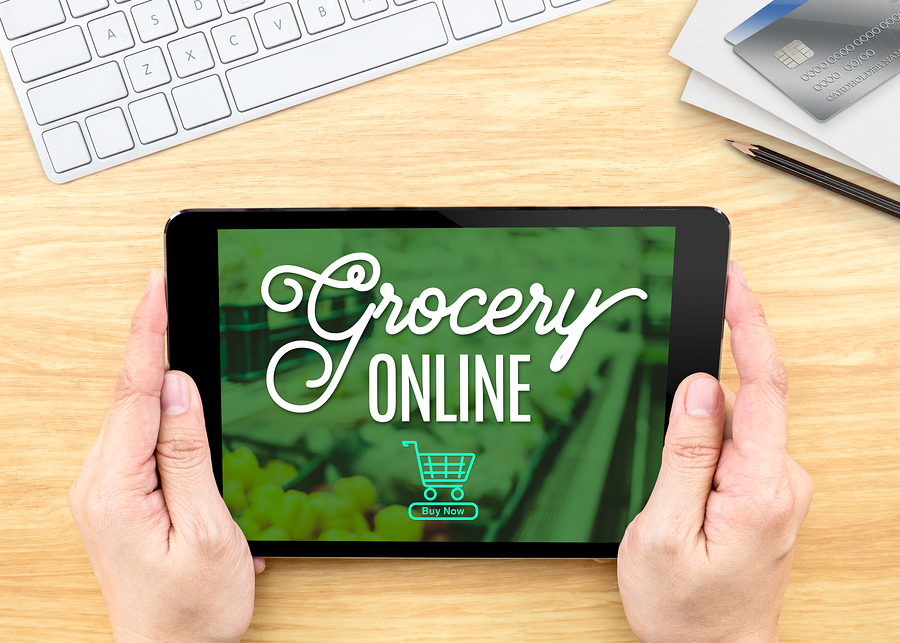
online grocery shopping

Who Do You Trust to Squeeze Your Tomatoes?

June 27th, 2017 Posted by digital tools, food experiences, Food Trend, Healthy Living, Retail brand building, shopper behavior 0 comments on “Who Do You Trust to Squeeze Your Tomatoes?”

The ultimate test for success in the merger of premium food retail and the world’s most savvy distribution juggernaut

“And they’re off!” could well be the call to action for last week’s industry-shaking announcement that Amazon has gone deep into the bricks and mortar food retail business with its historic acquisition of the upscale Whole Foods Market chain. This sets in motion the race for grocery supremacy and, in some cases, survival in food retail’s transformative future.

Omnichannel shopping is a well reported behavioral change among consumers who may look to multiple retail outlets, as well as online formats to meet their various food shopping needs. So, the acceleration of e-commerce in concert with shifts in food retail business models is no surprise.

What makes this marriage so interesting is the merger of Amazon and its algorithm mastery, distribution, and delivery prowess, with what may arguably be the largest chain of culinary-focused, fresh, and organic food stores.

High food tech meets high food touch

Said Joe Robinson of Catapult in his MediaPost column (June 19, 2017):

“Amazon personifies convenience and it will be able to bring that benefit to the items most consumers really don’t want to shop for—those that are chores. Through a subscription plan, click and collect or home delivery, Amazon can increase the number of items available through that model. As for experience, consumers are looking for an engaging experience within the grocery format—be it a cheese tasting, wine pairing or cooking class. Amazon has now bought into more than 400 locations where it can start to bring this experience to life.”

According to the U.S. Grocery Shopper Trends 2017 report, released by the Food Marketing Institute and Hartman Group, 43 percent of Millennials shop online for groceries at least occasionally, leaping ahead of 28 percent just a year ago. Apparently, consumers are getting (a lot) more comfortable using online platforms to get their food.

That said, food is inherently an emotionally-driven category. And increasingly, people see food not only as a symbolic purchase of what we want the world to believe about us, but also is directly correlated to our overwhelming desire for a higher quality life. So what happens when food passion collides with food retailing technology?

Therein lies the secret to this marriage’s success and, in many respects, the future of the entire food retail industry. How should you marry food cred and expertise to ordering and delivery tech? 

Trust looms large as a barrier to growth in e-commerce beyond the inherent attractions of convenience and price. People trust their own judgment when it comes to selecting perishables, especially produce and proteins.

Case in point: I have exacting standards on the meat I will buy – and come to the butcher counter with an eye towards my own quality perceptions. Said more simply, I care and make careful choices. Why? I take great pride in the foods I prepare and the outcomes of cooking, where ingredients will often make the difference between so-so and terrific.

Belief leads to trust. And how to cultivate belief? I want to know that the people involved with my food purchase care as much about the products and cooking as I do. What evidence is there in the form of relevant content that expresses passion for fresh ingredients, higher quality and creativity in the kitchen – which is then meaningful to me, and my lifestyle?

When it comes to CPG brands and retailers, we already know Millennials are especially concerned about honesty and openness around the issues of animal welfare, sustainability, ingredient sourcing commitments and social responsibility.

Combine this with the renaissance taking place right now in the kitchen, where fresh foods go to be reworked into something creative and exciting to eat. And right there you have the ingredients for building deeper meaning and relevance in how food brands and retailers go to market.

Building food credibility is job one 

As belief is created, trust is achieved. With trust, the barriers to having others squeeze your tomatoes will come down.

In short, people need to believe that the faceless e-commerce platform indeed has a face and can be humanized around the love of food and how it’s prepared and consumed.

Looking for more food for thought? Subscribe to our blog.

Bob Wheatley is the CEO of Chicago-based Emergent, the healthy living agency. Emergent provides integrated brand strategy, communications and insight solutions to national food, beverage, home and lifestyle companies.  Emergent’s unique and proprietary transformation and growth focus helps organizations navigate, engage and leverage consumers’ desire for higher quality, healthier product or service experiences that mirror their desire for higher quality lifestyles. For more information, contact Bob@Emergent-Comm.com and follow on Twitter @BobWheatley.

Archives

Categories