
Posts tagged "brand marketing"

Consumer tribes and clans cloud the question of relevance

Rise of “Individuals” Requires Shift to Focused Strategy

April 3rd, 2023 Posted by brand marketing, brand messaging, Brand preference, Brand trust, consumer behavior, Consumer insight, engagement, Strategic Planning 0 comments on “Rise of “Individuals” Requires Shift to Focused Strategy”

Matter to someone or risk mattering to no one…

According to Stanford University, the computational power of AI is doubling every three months, helping to catalyze another transformational scientific revolution. The impact is everywhere, all at once. Equally rapid-fire shifts in cultural behaviors and conditions mandate a move to focused marketing over anything remotely resembling a broad brush. These two fluid developments are evidence of a pace and speed-of-change that are unprecedented and thus requires more vigilance from business decision makers.

Narrowing, specializing, customizing, individual-izing

Dear CEO and CMO – it’s time to identify a priority core customer audience and go all in. The era of mass markets and mass media serving a homogenous population is officially gone forever. To what extent is this reflected now in the business and marketing plan?

Let’s take a brief look at a few recent sea changes impacting the future of marketing and business strategy:

  • In 2034 Americans over the age of 65 will outnumber those under 18. Notably, an increase in life expectancy of just one year adds $38 trillion in annual global GDP. Meantime the birthrate in the U.S. has now fallen below replacement levels.
  • Over a recent 10-year period, household wealth of 65 to 75 year-olds increased 54% while the wealth of 25 to 35 year-olds declined by 11%. Gaps are growing.
  • The top 10% of American families hold a whopping 69% of total wealth. The bottom half holds only 2.8%.
  • Remarkably, the baby boom generation is 75% white. Contrast that number with Gen Z which is 52% white. By 2044, the majority of the U.S. population will be non-white.
  • 35% of the U.S. population age 25 to 50 has never married – compared to 9% in 1970. Young people increasingly are deciding not to marry, not to have children, not to own autos and are delaying home ownership. More impact to come.
  • The search for deeper meaning and purpose is rising around a frame of values and beliefs. It is replacing the traditional role of religion. Fewer than half of Americans now identify with a church. (Contrast this with the increased concern and interest in socially responsible actions and behaviors on the part of brands and businesses).
  • The number of teens who say they see their friends on a regular basis has dropped by 50% since the 1970’s. While 31% of Gen Zers characterize their mental health as bad. Troubling development.

Source: Deloitte

Pervasive uncertainty caused by the Pandemic, war in Ukraine, mass shootings, dramatic climate change impacts, racial tensions and economic gaps widening between haves and have nots, has unleashed a burning desire for the twin anchors of true purpose and deeper meaning. Fear, risk and compromised views of the future are producing a void in search of greater fulfillment.

  • To say the least, what matters, motivates and occupies consumer time and attention is rapidly changing. Who will help them?

Never before in the history of modern business and marketing strategy have brands had a greater opportunity to earn a position as consumer coach, guide, mentor, knowledge broker and enabler on their life journey. Filling a vacuum left by declining relevance of institutions and larger social circles.  But only if business values and soul are tethered to a higher purpose, mission and belief system that puts the welfare of consumers ahead of self-interest; now table stakes for trust creation.

Dawn of a marketplace populated with subsegments and microsegments

The age of tribal shared values and interests is upon us, driven by technology that helps curate the flow of information, ideas, even community which more closely align with our own world views and lifestyle preferences. In this environment, brands will be more successful by narrowing and focusing their appeal to specific attitudinal segments than attempting to be all things to all people, in service of mass markets that, frankly, no longer exist.

Consider these active lifestyle tribes:

Sustainability WarriorsItinerant TravelersReal & Fantasy Sportsters
Culinary ArtistsFamily FansHome Improvers
Pet-life PalsMusic MainlinersSerial Daters
Fashion ForwardsKitchenistasVinophiles
Social ActivistsDining-Out DenizensTech Nerds
Micro media mavensOutdoor AdventurersWellness Wonks

Everyone is in search of community with like-minded people who share passions and interests, yet so few brands make a concerted, creative effort to doggedly court them with relevant content and experiences.

One glance around the food and beverage marketplace and you’ll notice a teeming landscape of niche brand market specialists who, enabled by the collapsing barriers of gigantic scale that at one time characterized the mass market paradigm, are carving ever more refined and single-minded voices that resonate with specific market subsegments. The call to action for larger CPGs is no less compelling to prune and narrow-in on the most engaged and potentially faithful audiences by casting your lot with the lifestyle clans most likely to believe.

Find brand traction by becoming an enabler

You want your brand to matter to an audience of devoted fans and evangelists. The opportunity to create this level of resonance escalates with strategic decisions to spotlight your voice and efforts as an enabler and educator on their specific lifestyle interests. People believe they are unique individuals, a market of one if you will, in search of brands that matter to their curated worldview and tuned belief system.

What human-relevant purpose should you be mining?

What activities and experiences will draw them in?

What images best express an affiliation with how thy see themselves?

What words will resonate?

What information do they seek to improve themselves?

How can you best mirror their wants and desires?

What stories should you be telling?

How do you cloak your brand in authenticity and genuine (relevant) values?

How can you demonstrate through actions that you care about their welfare?

Planning steps in response to these developments

It can feel counter-intuitive to narrow your voice and story on specific subsegments of engaged consumers. However, this is precisely the requirement to create relevance with consumers who now belong to a unique tribe.

The heavy user, the brand fan, the category evangelist, the knowledgeable player – these individuals offer the greatest chance at mattering. Broad appeals focused on “awareness” goals won’t serve the mattering imperative, and thus your brand can be commoditized over time and bought mostly on price because category options are seen as interchangeable.

Take for example the culinary artist…

There is a cohort of people, both male and female, who find the kitchen to be their favorite place in the home. Emotional connectivity abounds in their devotion to culinary exploration, cooking-as-emotional-outlet with self-esteem derived from tasty outcomes. They like celeb chef interactions in part because of the techniques they observe and their desire to replicate the same sophisticated flavor profiles. They buy higher quality knives.

How can you feed their need for kitchen exploration?

How can you double down to become a source of ideas and training?

What experiences can you arrange to engage their gustatory desires?

What constitutes moments of surprise and delight you enable to gain their faith?

Can you help them relax with foodie vacation ideas?

What new kitchen tech should they know about?

What voices can you bring they respect, love and admire (borrowed equity for your brand, too)?

How can you build a community of sharing and opportunities to showcase their food solutions with peers?

The list here is nearly endless. It constitutes a deep dive into their lives while serving as coach and guide. In doing so you earn their trust and loyalty. Your brand begins to matter to them and becomes integral to how they define themselves. Your brand can become celebrated, talked about and admired.

The path to this level of engagement is paved with self-less appreciation of who they are, manifested now in how you show up in their lives to make a tangible difference.

Don’t you want to do business this way? So much more is going on here than quarterly price promotions and end caps. Within your marketing team should be lifestyle and insight experts who deeply understand your customers’ interests, needs, wants, aspirations and to use that data to inform strategy on how the brand shows up in their day-to-day lives.

  • You no longer need to depend on banging people over the head relentlessly with self-promotional messaging they ultimately ignore. Now you’re firing on all of the relevance and resonance cylinders founded on constructing an authentic, true relationship.

This is the future of marketing in a micro-segment world. It’s not about aggregating eyeballs, rather about making certain customer cohorts are the center of your universe — and working backwards from there. To the degree you can inspire people, you earn a place in their lives that helps make your brand irreplaceable. Persuasion isn’t the game. Helping, leading, guiding is the new operating paradigm.

Go narrow. Go all in.

If you find this concept compelling and worth deeper exploration, use this link to start an informal conversation about mapping a better, more focused future for your brand and business.

Looking for more food for thought? Subscribe to the Emerging Trends Report.

Bob Wheatley is the CEO of Chicago-based Emergent, The Healthy Living Agency. Traditional brand marketing often sidesteps more human qualities that can help consumers form an emotional bond. Yet brands yearn for authentic engagement, trust and a lasting relationship with their customers. Emergent helps brands erase ineffective self-promotion and replace it with clarity, honesty and deeper meaning in their customer relationships and communication. For more information, contact Bob@Emergent-Comm.com and follow on Twitter @BobWheatley.

The window to address climate change is closing

Climate Change Challenge: Everything. Everywhere. All at Once.

March 27th, 2023 Posted by brand advocacy, brand marketing, brand messaging, Brand preference, Brand trust, Carbon footprint, Climate Change, climate culture, Greenhouse Gas, Higher Purpose, storytelling, Sustainability 0 comments on “Climate Change Challenge: Everything. Everywhere. All at Once.”

We’re nearly out of time to slow emissions juggernaut…

The moment has arrived for the food and beverage industry to upgrade sustainability performance and answer System 3 (supply chain) emission challenges. The incentive to act now: bottom line business growth benefits can be secured through authentic, credible strategies to fully execute a climate-responsible transition plan. Later in this post we will reveal the number one barrier to achieving business benefits from sustainability investments.

Why now?

According to the latest alarm bell report from the U.N. Intergovernmental Panel on Climate Change, we’re on pace to burn through our remaining carbon budget (500 gigatons) by 2030, potentially placing the Paris Accords’ 1.5˚ Celsius ceiling beyond the world’s grasp. The U.N. states outcomes of unabated global warming could be catastrophic with every proportional degree of warming past the Paris Accords threshold.

The impact of our fossil fuel economy has already transformed the planet at a pace unrivaled in human history. The U.N. report characterizes carbon mitigation efforts to date as “woefully inadequate.” As such U.N. Secretary General Antonio Guterres is demanding that developed nations such as the United States eliminate carbon emissions by 2040, a decade earlier than the rest of the world.

  • More than 40 percent of cumulative carbon emissions have occurred since 1990. After decades of disregarding the warnings, delaying policy changes, or making the tough choices to curb emissions from our industrial food system, the window to solve the climate crisis is closing.

Past the Paris Accords ceiling, impacts get extreme

Left on our current emissions pace, scientists claim global temperatures could rise by 3.2 degrees Celsius by the end of the century. What would follow is melting arctic ice sheets that cause sea levels to rise by several feet, extinction of hundreds of animal species and displacement of millions of people from southern hemisphere regions no longer able to sustain an acceptable quality of life.

The issues are systemic in part because the world has shrouded itself in fossil fuel energy use and a food system churning out affordable proteins that come with a hidden yet steep environmental cost. Our current infrastructure supports buildings designed to use gas for heat. Cars and trucks for the most part remain gas powered. Public policy encourages the fossil fuel energy sector while struggling politically to invest in a more sustainable future.

  • Energy industries double down now on fossil fuel source development
  • China is on pace to add more coal-fired power plants
  • Methane emissions compound as ruminant animal populations (cows, sheep, goats) grow to keep up with rising protein demands

In short, we find ourselves on a carbon-paved superhighway in the fast lane, zooming past the 1.5˚ Celsius off ramp – hurtling towards a point of no return, even though we face irrefutable evidence about the outcomes of not applying the brakes. Chaotic weather patterns, severe storms, wildfires, droughts, dwindling fish populations, the spread of infectious disease emerging from climate-disrupted biodiversity impacts – all indicators it’s time to summon the political courage to change direction.

Can the food and beverage industry help lead the shift to a sustainable future?

Yes.

If we muster the will and mettle to execute on pledges for change required to help the world reduce emissions by 50 percent over the next eight years. A recent report from Boston Consulting concludes emerging low carbon technologies in food creation give us the best chance of measurably reducing greenhouse gas from food production. Friederike Otto, Climate Scientist at the Imperial College London, recently said “We have all the knowledge we need. All the tools we need. We just need to implement it.”

An eco-system of regenerative agriculture commitments, adoption of emerging precision fermentation food technologies and efforts to minimize consumer eating patterns that favor ruminant animal products are needed to help curtail the food system carbon footprint. To the extent companies make assurances here and monitor performance against System 3 supply chain emissions, we have an opportunity to pull back from the brink of severe economic and social shocks pouring from a hotter planet.

  • Business reasons for implementing these changes are compelling as consumers increasingly want to vote their sustainability values in the checkout lane. Sustainability investments can be good for business. However, there are barriers to overcome on the path to business benefit.

Silo-ization of sustainability programming

All too often we run across organizations in the food industry that inadvertently silo their sustainability investments by treating it as a department down the hall, cut off from other areas of the organization vital to making the investment payout as a business generator.

Sustainability is a strategic initiative the organization needs to answer from the C-suite level on down, not as a “right thing to do” effort, rather a business imperative the organization embraces as a core organizational mission and higher purpose. Sustainability executives and marketing teams should be working together to close the loop and inform all stakeholder audiences of carbon mitigation goals and milestones.

The #1 deficit in sustainability readiness performances is….

Since we launched the Brand Sustainability Solution platform in early 2021, Emergent has deployed an online Self-Assessment Questionnaire to help food, beverage and retail organizations better understand where they are on the path to sustainability best practices. Our database of self-assessment results reveals one consistent weakness across nearly all  company survey participants.

To achieve business benefits from sustainability ventures, integrated communications tactics must be employed to inform stakeholder audiences of what the company is doing to address sustainability challenges. In the absence of these strategic communications initiatives, brands can’t get credit for the investments they’re making or the improvements they’re realizing.

Thus, the loop is not closed with constituent audiences. Simply stated: sustainability performance is a brand preference driver in a marketing environment where consumers seek alignment between their beliefs and values and the brands that matter to them. All-too-often the sustainability team operates in isolation, and activity there isn’t integrated with marketing programs and assets that help customers of all segments understand what the organization is doing.

  • This weakness has popped to the surface often enough that we are compelled to flag its importance here as “the missing link” to creating positive business outcomes from sustainability strategies.

Sustainability programs anchored to carbon footprint improvements can’t operate successfully in a vacuum. If we’re going to make the significant moves necessary to avoid condemning future generations to the invasive risks of a hotter planet, the entire effort must be a top-level priority for the company as a whole – with all hands-on-deck to help implement and communicate.

If you think your organization would benefit from an audit on sustainability readiness best practices, use this link to launch an informal conversation on evaluating the state of sustainability in your company. The solution set will invariably tap into everything, everywhere, all at once.

Download our emerging food tech education strategy guide…

Looking for more food for thought? Subscribe to the Emerging Trends Report.

Bob Wheatley is the CEO of Chicago-based Emergent, The Healthy Living Agency. Traditional brand marketing often sidesteps more human qualities that can help consumers form an emotional bond. Yet brands yearn for authentic engagement, trust and a lasting relationship with their customers. Emergent helps brands erase ineffective self-promotion and replace it with clarity, honesty and deeper meaning in their customer relationships and communication. For more information, contact Bob@Emergent-Comm.com and follow on Twitter @BobWheatley.

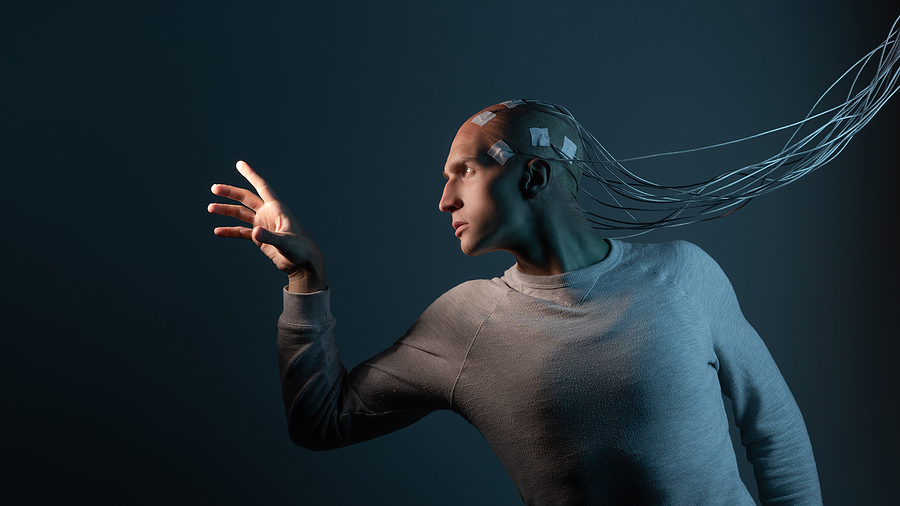
Neuro-imaging helps us understand the true behaviors of people

The Most Misunderstood Tool in Marketing: Your Customer’s Brain

February 18th, 2023 Posted by Behavioral psychology, brand advocacy, Brand Design, brand marketing, brand messaging, Brand preference, brand strategy, consumer behavior, Consumer insight, Emotional relevance, Human behavior, Insight, Marketing Strategy, storytelling 0 comments on “The Most Misunderstood Tool in Marketing: Your Customer’s Brain”

Why we unleash the power of emotion to inform business outcomes…

What drives people to make the choices they do? What is it that causes us to prefer one brand over another? What are shoppers actually, truly thinking? Until now, since no one had can come up with a scientifically tested, verified answer to those questions, brands reflexively plowed ahead using the same strategies and techniques as they always have. Lather. Rinse. Repeat.

However, the laws of attraction for one brand over another are locked up in the consumer’s often misunderstood brain.

  • Now thanks to neuro-imaging research (known as fMRI), we have unprecedented insight into how emotions – such as generosity, greed, fear and well-being – impact brand selection and purchase decision-making.

Why is this insight so important? In our multi-channel, always on digital world, people are yanked, tugged, pelted, pushed, prodded, reminded, cajoled, whispered at, overloaded, and overwhelmed by an unrelenting stream of in-your-face product communication. The result? Snow-blindness.

Through behavioral research we can confirm that brands will most likely fail to engage when they rely on functional attributes of products – bigger, quicker, cheaper, more powerful, faster acting, or greater selection – rather than focusing on connecting to the consumer through deeper meaning. Storytelling strategies miss the mark when brand minders concentrate on only a part of the human behavior system – for example pressing hard on competitor brand weaknesses – only to leave the consumer’s emotions out of the equation.

Why do we continue to default to the time-worn approach of barking the benefits as if on auto-repeat? The answer starts with each of us. Literally everyone enjoys thinking of themselves as a rational being. We nourish and clothe ourselves. We go to the office. We think to turn down the temperature at night. We download music. We go to the gym. We handle crises – like missed deadlines, a child falling off a bike, a friend getting sick, a parent dying, etc. – in a mature and evenhanded way. Thus, we erroneously believe we’re reasoned analytical, logic-driven decision makers. Well, we’re really not.

In truth, the other part of our minds not governed by rational thought is flooded with cultural proclivities rooted in tradition, fear, how we’re raised, and a host of other subconscious influences which rise to apply a powerful but invisible influence over the choices we make. And the secret to enrolling that part of the brain – emotion.

“Emotions are the way in which our brains encode things of value, and a brand that engages us emotionally—like Apple, Harley-Davidson, and L’Oréal, just for starters—will win (in the marketplace) every single time,” reports Martin Lindstrom, author of the neuromarketing treatise, Buyology.

Roughly 85 percent of the time the brain is on autopilot. It’s not that we can’t think – rather our subconscious minds are a lot better at informing our behavior (including why we buy) than our conscious minds are. We are hardwired to defer decisions and actions to the sub-conscious and we don’t even realize we’re doing it.

The subconscious is at work informing our buying behavior

Mirror Neurons are always operating in the brain

A classic example, we tend to subconsciously imitate what others around us are doing. Think about how other people’s behavior affects our shopping experience, and ultimately influences our purchasing decisions. Mirror neurons override rational thinking and cause people to unconsciously imitate – and purchase – what is in front of them.

Or our brains build a story that we believe. We may see models in fashion magazines and want to dress like them or make up our faces the way they do. We watch the rich and famous driving expensive cars and lounging in their lavishly decorated homes and ruminate, I want to live like that.

Lindstrom provides a common-place and relevant example: “A shapely mannequin wearing hip-hugging, perfectly worn-in jeans, a simple summery white blouse, and a red bandana stops you in your tracks. She looks great—slim, sexy, confident, relaxed, and appealing. Subconsciously, even though you’ve put on a few pounds, you think, I could look like that, too, if I just bought that outfit. I could be her. In those clothes, I, too, could have her freshness, her youthful nonchalance. At least that’s what your brain is telling you, whether you’re aware of it or not.”

We rely on almost instantaneous shortcuts that our brains create to help us make buying decisions.

Is the decision rational? It may seem that way as a choice is made, but it wasn’t, and not by a long shot. In a nano-second and below your conscious radar an inner conversation is occurring. Lindstrom again provides an iconic example:

“I associate Skippy with childhood…it’s been around forever, so I feel it’s trustworthy…but isn’t it laden with sugar and other preservatives I shouldn’t be eating?…Same goes for Peter Pan, plus the name is so childish. And I’m not buying that generic brand. It costs 30 cents less, which makes me suspicious. In my experience, you get what you pay for…The organic stuff? Tasteless, the few times I had it…always needs salt, too…Plus, didn’t I read somewhere that “organic” doesn’t necessarily mean anything, plus it’s almost double the price…Jif…what’s that old advertising slogan of theirs: “Choosy Mothers Choose Jif”…Well, I am a fairly discriminating person…”

That entire evaluation happens in an instant and below conscious thought, based on deep-seated experiences, acquired knowledge, cultural bias and perceptions we hold close over time.

When emotional connections are the priority

Brain-scan studies confirm our heads are hardwired to bestow upon some brands an almost religious significance and as a result we forge binding loyalties that keep us coming back over and over again.

Imagine the power of fear in bringing actions to bear on a benign and unsexy category like home safety. We were tasked with creating a new residential alarm product category for First Alert, the smoke alarm brand leader. The task was centered on the leading source of accidental poisoning fatalities in America – carbon monoxide (CO). This household hazard is odorless, colorless, tasteless, completely invisible and early symptoms are identical to the onset of flu.

Sounds like an impossible task doesn’t it. In part because we know people invariably believe that hazardous events like this “will never happen to me” – not in my back yard. We conducted deep dive research with married couples who had children in an effort to understand where the levers of reception and action could be tapped. We learned that if their children were at risk from an invisible menace that would impact kids faster than adults, they would act quickly to mitigate the problem.

We created a name for the threat that made its invisibility an attribute – “The Silent Killer.” We built the campaign around a real family from Maine who lost their teenage daughter to an accidental poisoning event in their home. It could have been prevented if an alarm had been present. The parents for their part wanted to help educate other families to help them avoid the one thing parents fear the most: loss of a child to a preventable accident. In this case, the alarm is the only way to know invisible CO is present.

The story was powerful, emotional, personal and real. We did not devote any of the narrative to product features or technology. It was instead focused entirely on a heart-rending story that ended with a call to action to protect family members by installing an alarm. The campaign was so successful the new First Alert CO alarm business went from zero to $250 million in sales within 14 months of launch. City governments stepped in to write laws requiring carbon monoxide alarms in homes. National news covered The Silent Killer safety hazard. Local TV news showed people in lines around the block outside their hardware store looking to get an alarm. Thousands of needless deaths were ultimately prevented.

The power of emotion to move people to action cannot be underestimated. The dynamic exists in virtually every product category you can think of. It’s counterintuitive, however, to the traditions of focusing story on product features and benefits. Yet we’ve seen over and over that when how human beings operate holds sway in decisions regarding communications, the subconscious becomes a powerful asset on the road to preference and purchase.

Without it, we’re talking to ourselves in what is inevitably a snow blinding experience for the consumer who avoids the message.

Curious about learning which emotional triggers might be most compelling for your users?

Share your observations or questions here. Use the this link to start an informal dialogue on emotion-based marketing.

Ideas that catch fire

Digging Into the Psychology of Contagious Communication

October 3rd, 2022 Posted by Behavioral psychology, brand marketing, brand strategy, consumer behavior, Consumer insight, Content Marketing, Marketing Strategy, media strategy, storytelling 0 comments on “Digging Into the Psychology of Contagious Communication”

How to harness the science of social transmission

“People do not buy goods or services, they buy relations, stories and magic.”

                                                                                                                                           – Seth Godin

  • Today we will weigh in on vital tools and ideas that can vastly improve the outcome of your marketing investments.
  • For the very reason these tools and ideas access what we know about how people share information and recommendations with each other.

If there is one important, recurring theme in the guidance we provide at the Emerging Trends Report, it is our respect for the consumer we are working mightily to reach and engage. Too often, marketing activity is focused slavishly on firing up the latest social platform or digital tool.  Preoccupation with algorithms wrongly assumes simple deployment of the tech guarantees engagement. Nope. It’s just not happening.

So many benefits can be gleaned and extracted through greater understanding and appreciation of human behavior – and how these insights can be deployed for profound impact on consumer engagement and successful outreach results. Buckle up. Here we go.

The painful lesson…

  • Sorry, but most advertising just isn’t credible. If it walks, talks and behaves like traditional advertising – it is inherently untrustworthy to wary consumers.
  • If anything, ads are predictable in form and function, signaling it’s time to tune out, move on. Repetition doesn’t help, it just intensifies the annoying interruptions.
  • People increasingly refuse to tolerate advertising interruptions (hello streaming). Blatant brand self-promotion rarely resonates with consumers because the hero of the outreach is the brand focused on itself, not the consumer’s relevant journey.

It’s like that guy at the cocktail party who intrusively humble-brags about his career achievements. He cares little about his ‘audience’ beyond the attention he seeks. Meanwhile, we can’t wait to move on to something more interesting and maybe even useful.

What is actually sticky?

So much noise, so little time. How much of that messaging cacophony actually sticks with consumers?

Instead people are magically drawn to “remarkableness” – or what is:

Extraordinary

Novel

Exceptional

Unusual

Captivating,

Surprising

Helpful

Inspiring

When we build a marketing plan, we’re working to break the patterns of convention, disrupt the expected, violate the norm…why? When we’re able to get people to care, not only will they tune in to the message – they will share.

As marketers we work overtime to mint social currency around and within the product itself, how it is packaged and served up, the experiences we create and the stories we tell. This is ultimately showing appreciation for how and when people will transmit information to others.

Case in point: pressing the symbolism button

All purchases today are ultimately symbolic gestures; visible flags of what people want others to believe about their values, beliefs, priorities and status. How can we best employ symbols and markers of what consumers want others to see? What social currency flags can we help them visibly wave? To help them be…

In the know

Forward thinking

Sustainable

Successful

Caring

Informed

Resourceful

Exceptional

The desire for social resonance and approval is a fundamental human motivation. We can intentionally create ways for people to make themselves look good. We can help them feel like VIPs or insiders (exclusivity and scarcity). Everyone is a status seeker thus anything that elevates their position in front of others delivers social currency while creating talk value.

When people share extraordinary and entertaining stories it makes them appear to be extraordinary and entertaining.

The heart of it: emotion

Sustainability, global warming and climate threat represent compelling sources of competitive advantage and behavior change. Want people to do something about it? There’s a great temptation to point out how big the problem is and wallpaper messaging outreach with an unrelenting flow of statistics and factual evidence. When you want people to care about an issue, to weigh in, to do something, to share, emotion is going to be the primary lever.

Talk about how their children’s future, wellbeing, health and welfare could be impacted by runaway climate change. When you engage people in stories that hit home at the heart level – the most important human relationships we treasure for example, then we are engaging the subconscious side of the brain head on – the part of us that controls our actions.

Candidly, people don’t want to be told something. They want to be moved or entertained.

Observation delivers imitation

Social influence is enhanced when your product experience is more observable. Public visibility will boost talk value and sharing. Anything that is visible can engage the power of popularity and creates opportunities for imitation. If people can’t SEE what others are doing, they can’t imitate that behavior.

As marketers we’re looking for ways to take the product functionality or experience that is mostly unobservable and make it visible. That visibility will feed word of mouth. If it’s designed for show, it will likely grow.

Useful is powerful

People love to be helpful to others, to be a source of practical advice that improves experiences or makes life easier. When brands become enablers of guidance and coaching, another avenue is opened for social exchange. Simply put, people like to pass along useful tips, ideas and information to their peers. Creating a tellable tale around information of practical value is a sure path to contagious communication.

Look for ways to create news they can use.

Remarkable-ness will disrupt

If we hear the phrase “no frills airline” an image quickly begins to form of cramped seating, no food and the absence of any in-cabin entertainment. This bears out in reality as many “flying bus” experiences confirm the paradigm.

What happens when a discount carrier provides generous seating, good food options and in-flight entertainment – the shift immediately engages and disrupts the expectation. An opportunity to be remarkable is a game-changing moment that creates strong pathways to social exchange and transmission of extraordinary experiences.

How can you violate the standard rules of your category to deliver the exceptional and unexpected?

Activating the power of awe

When you see a breathtaking landscape, how do you feel? When you observe extraordinary human feats of daring, discovery or human kindness, it most likely moves you. Human inspiration is an endless treasure trove of share-able opportunities.

People desperately want to be part of something greater than themselves, to acquire purpose and value from being involved in a movement. The primary benefit of higher purpose marketing is the purpose itself.

Done with strategic thought and passion, we gain access to moments of wonder, excitement and strength. Awe is a powerful tool that triggers and motivates action. In short, engaging our sense of wonder is a sure path to share-able adventures.

Employing the magic of humanity

Frankly we could keep going because there are so many opportunities to take advantage of how people think and operate to jump over the stasis of self-centered, introspective marketing that fails to excite.

  • The common ground in this thinking is how we turn consumers into walking, talking billboards because they’re driven to share what they’ve experienced or learned. We don’t do business in a world of classic persuasion any longer. Our ability to engage people occurs in direct proportion to how relevant we can make our communication to them, how they think, how they operate and live.

When this happens, magic happens – and that’s what people want.

If this stimulates interest on how the approach might apply to your brand and business, use this link to start an informal conversation. No expectations other than a robust conversation about people, how they behave, and your goals.

Looking for more food for thought? Subscribe to the Emerging Trends Report.

Bob Wheatley is the CEO of Chicago-based Emergent, The Healthy Living Agency. Traditional brand marketing often sidesteps more human qualities that can help consumers form an emotional bond. Yet brands yearn for authentic engagement, trust and a lasting relationship with their customers. Emergent helps brands erase ineffective self-promotion and replace it with clarity, honesty and deeper meaning in their customer relationships and communication. For more information, contact Bob@Emergent-Comm.com and follow on Twitter @BobWheatley.
Brand trust is earned

User Endorsements Punch Harder on Brand Trust

July 8th, 2022 Posted by Behavioral psychology, brand advocacy, brand marketing, Brand preference, Brand trust, Earned media, Emotional relevance, Influencers, Integrated Communications, resonance, Social media, Social proof, User Generated Content 0 comments on “User Endorsements Punch Harder on Brand Trust”

Paid influencers might be a problem

When a key marketing ‘best practices’ principle continues to be validated time and again, you start to regard it as fundamental and credible guidance. Once again, we’re seeing new evidence that consumers question the veracity of brand content created by paid influencers, while simultaneously embracing the comments and experiences of real-world users.

How can this be? It’s simply a matter of trust. Those motivated by a profit agenda are viewed as less objective and trustworthy than those without underlying financial self-interest. Career endorsers are often seen as paid shills or at least they have the appearance of same to consumers.

What is the litmus test for trusted communication?

Communication that comes from sources:

  1. Without any hidden or potentially compromising (paid hustler) agenda
  2. Whose behavior is informed by simple honesty and factual integrity
  3. From voices that put the concerns and needs of others ahead of their own self-interest

In a recent Marketing Daily report a new consumer study, “The State of User Generated Content” from EnTribe, reinforces the credibility gap between trusted sources and paid influencers.

  • 64% of consumers say they follow their preferred brands in social channels.
  • 63% of consumers complain about the frequent appearance of influencer content in brand social posts.
  • 85% of consumers believe influencers are inauthentic or unrelatable.
  • 85% say they prefer to see content from citizen users.
  • 84% believe user generated content drives brand trust.
  • 77% of shoppers say user content makes them more likely to buy.
  • 65% say user content makes them more loyal.

Never underestimate the power of trust

Let’s face it, consumers find it difficult to believe the claims and assertions made by brands. Why? Because true or not they believe companies will inevitably put their self-interest and profit motives ahead of their own welfare. In the consumer’s mind paid influencers suffer from a similar compromise of ‘never bite the hand that feeds you.’

Who do consumers believe or at least accept more readily as truthful and honest assessors of brand integrity and performance?

Each other – consumers will believe their peers before they embrace the brand’s own statements. That said, when trust breaks out it may also benefit the genuine acceptance levels of what a brand conveys on its own.

Editorial, non-paid media – say what you will about fake news, for the most part people continue to think that journalists are objective observers who attempt to unearth facts and evidence to confirm or deny what brands claim.

Credentialed experts with science, medical or academic backgrounds – individuals whose professional reputations are built on a hallowed ground of objective evaluation are perceived to have skin in the game and something important to lose should their recommendations turn out to be a fabrication.

Of course, just like restaurant reviews can be skewed because of a bad night in the kitchen, there is no such thing as unassailable, 100 percent bank-able opinions from any quarter. That said, the body of evidence weighed in sum will tip the scale one way or the other.

Why is trust so important to belief?

The always-on Internet and 24/7 reporting cycle have put every brand in every category inside a glass house. Anything than can be known, will be known – sooner or later. Too many trips into bad behavior land and trust fractures from half-truths or outright misinformation have caused a societal-level sense of caution and skepticism about what companies convey.

Here’s the antidote to trust fractures:

Actions speak louder than words. What a brand does – the actions it takes – can serve as evidence of its integrity and corporate soulfulness.

A brand’s devotion to a higher purpose and evidence of this belief system tend to project an aura of honesty and values-driven code about how the business is run and what the leadership team prioritizes.

Want to be trusted and believed? Then operate that way by putting the consumer’s welfare, wellbeing, priorities and needs ahead of company self-promotion interests. Selflessness is seen as an admirable trait in human behavior and when brands act this way (and are even willing to openly admit when they make a mistake) it helps cement consumer trust.

What do we know…?

  • That trust is the fundamental grist underneath any real relationship that works. It is true in life and in human relationships as much as it is in the give and take between people and the brands that matter to them.

Without trust you have an intractable problem. With embedded trust you have an opportunity to secure belief and engagement. Trust is never claimed. It is always earned. User generated content supplies the verification.

Trust is a strategic and organization-level consideration that should be baked into the foundation of any business and marketing plan. Should guidance on brand trust-building best practices be of help to you, and how to translate that into compelling communication, use this link to start an informal conversation about your questions.

Looking for more food for thought? Subscribe to the Emerging Trends Report.

Bob Wheatley is the CEO of Chicago-based Emergent, The Healthy Living Agency. Traditional brand marketing often sidesteps more human qualities that can help consumers form an emotional bond. Yet brands yearn for authentic engagement, trust and a lasting relationship with their customers. Emergent helps brands erase ineffective self-promotion and replace it with clarity, honesty and deeper meaning in their customer relationships and communication. For more information, contact Bob@Emergent-Comm.com and follow on Twitter @BobWheatley.

Breaking the chains of interruption marketing

Breaking Free from the Handcuffs of Intrusion Marketing

June 22nd, 2022 Posted by Behavioral psychology, Brand Activism, brand advocacy, brand marketing, brand messaging, branded content, consumer behavior, Consumer insight, Content Marketing, Emotional relevance, engagement, Higher Purpose, storytelling, Strategic Planning 0 comments on “Breaking Free from the Handcuffs of Intrusion Marketing”

Embrace a new paradigm for successful brand storytelling…

In the history of modern marketing there have never been more ways to reach consumers. Yet it’s also never been harder to connect and engage with them. For decades brands have reflexively relied on various forms of intrusion to confront consumers with brand self-reverential, promotional messages. This approach is now widely rejected and avoided by its intended audience. Read on to learn the antidote to engagement misfires.

  • It’s truly hard to admit, but: “the unquestioned language of (traditional) marketing sabotages the stories we try to tell.” – Jonah Sachs, Winning the Story Wars.

People have changed – they want to be part of something greater than themselves. Yet even though the elements of powerful storytelling have been employed for centuries, it is largely ignored by marketing tropes preoccupied with promoting products to consumers leveraging the politics of fear, inadequacy, anxiety and status-seeking – often served with a generous helping of narrative vanity, puffery and insincerity.

It’s time to end the decades of antagonism between marketing and its audiences

  • We have a chance now to step beyond interruption marketing to build lasting, a more meaningful relationship with consumers that is grounded in deeper meaning, inspiration and values.
  • We are free today to build new stories that get noticed, create emotional affinity and maintain credibility in a world desperate to secure meaning and starved for transparency.

However, the drive for true engagement requires a shift in thinking and approach that initially can feel counterintuitive to the foundational principle of marketing as a sales generator. After all, aren’t we supposed to sell to earn a sale? Our tradition-bound way of thinking and operating leads us to believe the path to business growth is paved with pushing product feature and benefits at people. We just need to dress it up with some creative artifice of humor or entertainment as storyline palate pleaser – then, down the hatch, right? Sorry, but no. Consumers have figured out how to sidestep and ignore all of this.

Yet even with the self-awareness of this consumer engagement shift, like the hamster returning again and again to the wheel, the vast majority of brand outreach in CPG and retail sectors employs the same approach – now only digitized to fit into new media forms and channels. This form of selling was honed during the analog media control and persuasion era of the 1960’s and 70’s. It remains entrenched.

The electronic fake-out

Technology-led tools lead us to assume there are algorithm-based, digital solutions that virtually guarantee the selling message penetrates to the right audience in the right place at the right time simply by deploying the latest platform. We need only to flip the switch and boom, we strike marketing gold with clicks and views – even though people routinely drop out of the engagement in mere seconds and carts are abandoned by an endless river of distractions.

The essential truth about today’s consumer

We are shifting from a consumption-driven culture to one founded on a maturing view that the best things in life aren’t *things*. Instead, people want to transform themselves and the world around them. Here it is in sharp relief: we reach for deeper meaning and enablement from the brands we care about. We want to be inspired by beliefs and values that matter.

In short people are ready to embrace:

Optimism over fear

Sacrifice over greed

Citizenship over consumption

A recent advertising effectiveness study tracking the new-found marketing focus on sustainability revealed that brands producing sustainability ads focused on themselves – to tout their eco-bona fides – did not score nearly as well in engagement and recall as brands that created ads to inspire their users to join the sustainability mission and contribute to the greater good. That means substance over selfishness gains an audience.

Here’s a new value system brands can adopt as a core directional litmus test for improved communications, engagement and brand story themes addressing:

Wholeness – moving beyond self-centeredness

Mastery – learning, competence and the struggle to improve

Justice – investing in, structuring a moral center

Depth – examining life and its complexities and possibilities

Simplicity – understanding the essence of things

Beauty – recognizing and experiencing aesthetic pleasure

Truth – the polar-opposite of falsehood

Uniqueness – mining creativity and non-conformity

Playfulness – celebrating joy and life experiences

Creating cinematic, powerful brand stories

What do we know about Luke Skywalker in Star Wars? He was a seemingly ordinary young man who was drawn out of his comfort zone to follow a path that eventually led to epic heroism. He had doubts and insecurities. There were flaws to overcome. Everything he needed to succeed was already inside him, yet he clearly needed coaching to understand that.

A hero is someone who pursues higher level values, willing to sacrifice in service of others, who is pulled to adventure through a higher calling. Traumatic circumstances pushed Luke forward. Eventually he would break free of his fears. He encountered a mentor who would help him on his journey and give him the tools to succeed. Mentors act to help redirect will and strengthen the heroes resolve and confidence. Yoda helped Luke become a better person, a more skilled Jedi, a confident participant on a perilous path to fulfillment and redemption.

  • Every human being wants to be the hero of their own life journey. Your brand storytelling must always position your consumer as the hero of the story, not the brand. The brand’s role is always that of mentor, guide, enabler and coach to the consumer on their journey. Your content goal is to provide wisdom and tools to help the hero succeed.

It’s important to note great stories always include conflict, overcoming failures, the presence of a villain, danger, adventure, failure, improvement, empowerment and achievement.

When your brand stands for something, employs a belief system and is driven by higher purpose, you create the opportunity for transcendence. Your storytelling can move beyond an inward focus on self-promotion and touting product features, to celebrating your customer and all they aspire to do.

  • You can inspire them.
  • Coach and instruct them.
  • Enable tools and experiences.
  • Help them embrace the greater good and building a better future.

Marketing, then, is about sharing core values. This is the secret to creating engaging stories and an improved relationship with your users.

Yes, this isn’t easy!

To create a story telling platform that works, study is required of your best customers, their lives, loves, ambitions, fears, concerns, wants and desires.

Your brand’s language, voice and story must embed your brand beliefs, values, vision and higher purpose (you need to stand for something).

How this is expressed should be grounded in a clear understanding of your brand archetype (Pioneer, Rebel, Captain, etc.) and how that translates into a narrative unique to who and what you are.

The best storytelling techniques include the fundamentals of all great tales including tension, conflict, villains, drama, and the hero’s move to overcome odds, rise to the calling and win in the end. This story arc is as old as recorded history and remains relevant today.

Emerging food tech and a drama of the ages

Consider the vast array of new food technologies emerging right now, grabbing the attention of investors in their quest to reimagine how food is created. There’s a villain in here called climate chaos alongside the legacy food system actors that help perpetuate an existential threat to our existence and quality of life. The consumer needs/wants/requires a mentor and inspiration on the path to enablement and efforts to help rescue and change the world.

  • There’s just sooo much here to work with. Virtually any product category or retail business will benefit from embracing the consumer’s desire to seek a deeper truth and to be part of something greater than themselves (sustainability is a case in point).

When you do this your customers can become believers, followers, advocates and ambassadors because they embrace what you stand for and how your brand helps them participate in a profound mission.

This is the magic behind stories that work, that deepen the brand’s voice and draw people close. Or you can continue to self-promote product features and benefits to a world increasingly not interested in this for the very reason the brand then positions itself as hero of the story rather than the customer. Competing with consumers for the hero role creates an instant disconnect and a new barrier to any engagement.

If you think your brand will benefit from a refreshed approach to story strategy and content creation, use this link to open an informal dialogue with us.

Looking for more food for thought? Subscribe to the Emerging Trends Report.

Bob Wheatley is the CEO of Chicago-based Emergent, The Healthy Living Agency. Traditional brand marketing often sidesteps more human qualities that can help consumers form an emotional bond. Yet brands yearn for authentic engagement, trust and a lasting relationship with their customers. Emergent helps brands erase ineffective self-promotion and replace it with clarity, honesty and deeper meaning in their customer relationships and communication. For more information, contact Bob@Emergent-Comm.com and follow on Twitter @BobWheatley.

Archives

Categories