Posts tagged "brand strategy"

Consumers carre deeply about their health and wellness

Consumer Health is the New Wealth

April 15th, 2020 Posted by brand marketing, brand messaging, brand strategy, branded content, Content Marketing, Digital marketing, food retail strategy, Healthy lifestyle, Healthy Living, Higher Purpose, Human behavior, Marketing Strategy, Navigation, Restaurant trends, Transformation 0 comments on “Consumer Health is the New Wealth”

Cultural shift impacts marketing strategy

Your marketing planning and strategic game plan will need to change to maintain relevance as the global pandemic creates a seismic cultural shift in how people behave and how successful relationships are formed between brands, retailers and consumers.

Here’s what you need to know about the basis of these transformative differences and their impact on your strategic communication plans.

The pandemic has served as the world’s greatest and most impactful, harrowing lesson on vulnerability. Regardless of age, income, career or social status, COVID-19 has reached into every corner of society to show that a highly contagious, invisible disease can move quickly and freely to impact every aspect of social and family life, career, health and wellbeing.

  • According to a recent survey conducted by the American Psychiatric Association, more than one-third of Americans say the pandemic has had a negative impact on their mental health.

Economic disruption, societal upheaval and social isolation have generated lasting deviations in how people behave – working to permanently alter life priorities and preferences. What people cared about in December of 2019 is radically different today and isn’t likely to subside in the future.

What was once important is less so now

The accumulation of assets and material wealth as evidence, goals or symbols of life success and fulfillment have fallen away, replaced by health and wellbeing as the new marker of desired “wealth” and personal success.

Anxiety, stress and loss of control have also created an open opportunity for brands and businesses to be a source of credible guidance on more mindful living, and reasserting lifestyle control with investments in personal health and wellness. It cannot be understated: the foundation of brand building is moving away from a transactional approach sewn into the fabric of marketing thinking for the last 50 years. It is resettling now on the requirement to create deeper meaning and a more personally-relevant, useful brand value proposition.

Simply said, you’re going to have to genuinely care deeply, organizationally, about the health and wellbeing of your customers and consider how the brand can contribute to improving their lives. This may sound like a water is wet statement, but in truth, it is an entirely different way of looking at the brand-to-purchaser relationship.

Moving from features, benefits and price cuts to empathy and care

Repeatedly stating ‘we’re in this with you’ isn’t sufficient. Brand and business behaviors must match the cultural shift to managing health and wellness – and operate in sync with how consumers are living and how their needs have morphed.

Higher purpose marketing is first about valuing the customer relationship in a different way. We can define it as putting the brand and business ‘in league’ with the consumer on their life journey, looking for ways to be of tangible value as they seek answers to some significant questions about how they should live and what the future holds.

This more empathetic view of how to communicate should be based in ongoing, continual investments in consumer insight research, designed to assess their attitudes and concerns in a downside of the curve and eventually post-pandemic world. When the brand is able to accurately mirror consumers’ views and desires, the opportunity for relevance is secured, and permission for a conversation is earned. ‘Talking at’ people about features and benefits is a sure pathway to disconnect because it casts the brand as hero of the storytelling rather than the consumer – who must be the hero in all brand outreach.

Data underscores the shifts in behavior

According to a recent national survey by Bernstein, nearly 60% of consumers report a surge in scratch cooking at home.

  • 35% say they care deeply about their wellbeing.
  • 30% say they plan to eat more healthfully.
  • 38% are looking for real food ingredients and packaged products with simple labels.

In fact, the study reported that health and wellness is on the rise as a key consideration when people shop for food. Consumers say they will increase consumption of vegetables, fruits and other fresh foods, while they reduce purchases of highly processed products and foods that are high in fat, sugar, carbs and salt. The current spike in sales of processed packaged foods is likely to be short-lived. Consumers post-pandemic will worry less about emergency stock-ups and instead turn their attention to managing their own health and wellbeing.

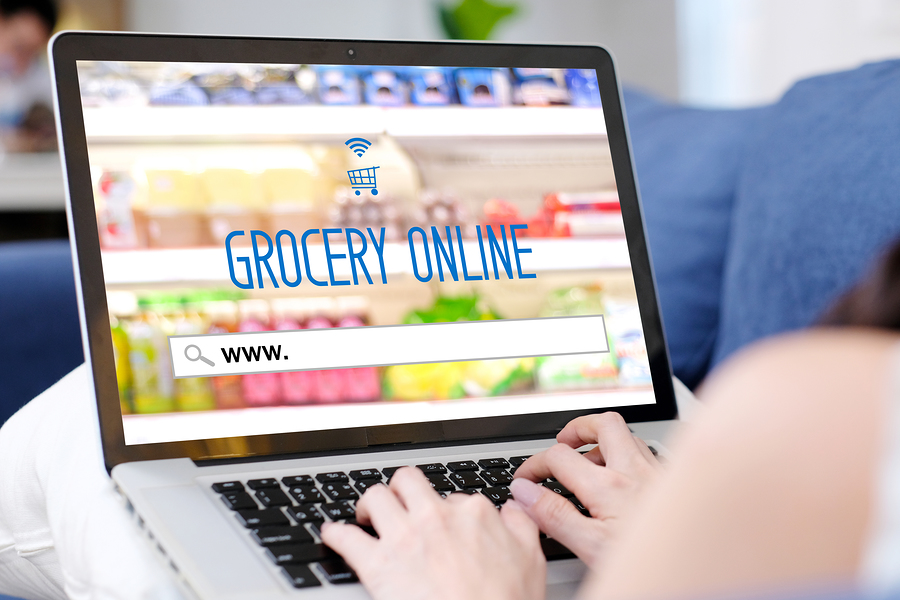
In a related study by AMC Global and reported in Food Navigator, 52% are increasing their use of online grocery shopping platforms, and 25% say they expect to continue using online channels after the restrictions are lifted.

  • 38% plan to more fully support local businesses and product sources.
  • 32% expect to continue cooking more meals at home.
  • 35% intend post-pandemic to spend more time with their families.

Post-pandemic planning insights

For food, beverage and lifestyle brands and retailers, health and wellbeing should be a centerpiece in your messaging strategy and given consideration as a focus of content creation strategies. It is the most important and viable way for consumers to regain control of their lives, and to address what is now one of the most significant concerns they have: protecting themselves and their families from immune system vulnerabilities, while enhancing their comfort and wellbeing.

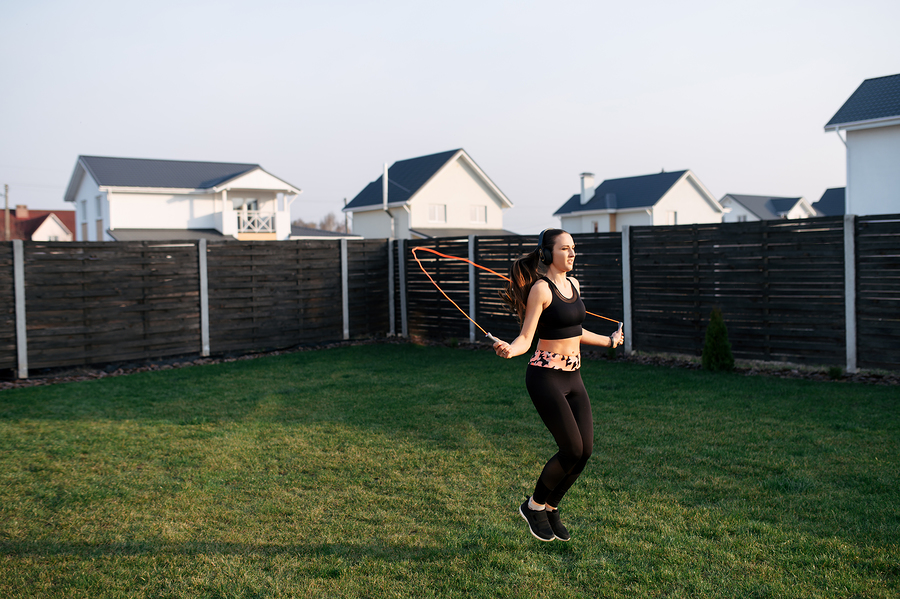
A more holistic view of health and wellness should factor in stress and anxiety as a key component in healthy living strategies by offering guidance and information on ways to cope. Meditation and exercise can be an important way for consumers to administer self-care and address the uncertainty they continue to face in their lives.

The dynamic in how brand relationships are created will increasingly be based on reciprocity and operating in a manner that demonstrates the consumer’s welfare is a top priority, thus why transparency and trust creation will need to be addressed in communication and operations strategy.

The forced changes in routine home food preparation arising from the stay-at-home order, is likely to be permanent as consumers experience the benefits of exercising greater control over ingredients, portions and preparations. Brands should be working hard to operate as guide, coach and inspiration for aspiring home chefs who want to hone their skills and feed their creativity. Equally so for home-based exercise and fitness activities.

The pivot by foodservice operators to offer meal kits, groceries and culinary advice, is also likely to be a lasting business model change for the restaurant industry. Which brings us to the growing importance of the home as a centerpiece for social interaction, safety and security and now a place of work. This will favor digital-first thinking and enhance the value of media consumed online and at home.

E-commerce channel is going to get more and more use as the systems improve and the friction in ordering and accurate, timely delivery is removed. Brick and mortar retail will have to strategically shift to facilitate a more seamless experience in omni-channel shopping behaviors. The importance of web site and email marketing should rise as consumers increasingly look for helpful, valuable engagement rather than access to what is at most self-promotional or least an online brochure.

The efforts you make to invest in building social channel communities will get more productive as the brand voice moves further from self-promotion and more fully into offering useful lifestyle guidance and direction. This will facilitate a more interactive environment and encourage consumers to share their own stories, interests and concerns. Social proof is a vital part of creating belief and credibility with your best users and attracting new fans to the brand. If you want to attract to new fans to the brand, you need to start by being a fan of theirs!

Finally, people believe other people more than they do corporate voices. To the extent you are engaging outside third-party voices in brand communication, you have the opportunity to humanize the brand and create more authentic messaging. In fact, building a more human-like brand is a critical component to acquiring trust. Great care should be exercised in how paid influencers are deployed as the consumer increasingly sees these voices as compromised and less trusted.

Emergent is an expert resource to help you develop post-pandemic plans and strategies.

  • Do you need support in consumer insight research to help inform your planning?
  • Would guidance be helpful on building optimal messaging strategies and content creation programs?
  • Would it be of benefit to have a creative resource help think through the evolutionary changes that will be required in how you go to market?

Let us know if you would like to talk informally about what comes next.

Looking for more food for thought? Subscribe to the Emerging Trends Report.

Bob Wheatley is the CEO of Chicago-based Emergent, The Healthy Living Agency. Traditional brand marketing often sidesteps more human qualities that can help consumers form an emotional bond. Yet brands yearn for authentic engagement, trust and a lasting relationship with their customers. Emergent helps brands erase ineffective self-promotion and replace it with clarity, honesty and deeper meaning in their customer relationships and communication. For more information, contact Bob@Emergent-Comm.com and follow on Twitter @BobWheatley.

Your Brand’s Higher Purpose Right Now is Health and Wellness

April 4th, 2020 Posted by brand messaging, brand strategy, branded content, CMO, consumer behavior, Consumer insight, Content Marketing, Emotional relevance, food retail strategy, grocery e-commerce, Healthy lifestyle, Healthy Living, Higher Purpose, Insight, Supermarket strategy 0 comments on “Your Brand’s Higher Purpose Right Now is Health and Wellness”

This is the moment to help consumers adopt a healthy lifestyle

COVID 19 has changed everything for consumers, who are now looking for ways to get back in control of their lives amidst unprecedented uncertainty. Food, beverage and lifestyle brands and retailers have an enormous opportunity to step into this need right now and help consumers do the one thing that can help protect themselves and their families from the advance of the pandemic: take control of their health and wellness.

  • Strong immune systems are supported by optimal health and wellness and can be of benefit to everyone no matter their age. While the world operates uncontrollably around everyone, the ability of people to acquire healthier eating habits and experience other activities that will enhance their wellbeing, is within their grasp.

We have growing evidence that brands are becoming more relevant (important) than public institutions as a source of help and inspiration in these trying times. If you are considering where to place your bets on messaging and communications strategy, supporting health and wellness is your new calling.

Emergence of higher purpose strategy

For years now we have continued to publish routinely on the shifts in public sentiment and behavior that merit brand’s adopting a higher purpose to govern their decisions, operations and marketing. The pandemic serves as a catalyst for making this strategic endeavor a fundamental part of sound marketing best practices. The days of self-promotion and strict transactional thinking about brand building are over. More enlightened brand support is required, especially in view of the transformational change brought on by COVID-19.

Brands need a relevant, useful, valued voice right now, one that helps inspire people to adopt the changes that will help benefit their own health. This is the strategic path to establishing your brand’s higher purpose.  Content creation here can vastly improve the traction and engagement levels of brand communication in any relevant category, from better-for-you beverages to pet food.

The role of the higher purpose brand in health and wellness

The role of your brand in this important mission is as credible guide and advisor on the path to enhanced health and wellbeing. The instruments to deploy include:

  • Healthier eating, preparations and menus
  • Enhanced exercise and wellness regimens
  • Improved sleep, relaxation and physical renewal
  • Stress reduction and emotional management
  • Family engagement, learning and relationship development
  • Integration of pet lifestyle in all of the above
  • E-commerce shopping tips and guidance to navigate dietary and wellness objectives

Stated simply, the best path is a holistic one that recognizes the integration of physical, emotional and spiritual needs – fundamental to enriching the lives of your customers and making a difference in how they successfully address the upheaval they’re experiencing.

Deployment of third-party voices

Key to activation is the use of outside third-party voices to help tell your story. Whether they are ‘real consumer brand fans’ who want to be of help to those around them, or experts in these subject matters areas from nutrition to culinary guidance.

Restaurant businesses are not faring well, and your efforts here could provide a new voice and relevance to chefs at a time when they need other channels of opportunity. Believe me, they want to help, too.

This is not the time to go dark

Ample evidence exists that brands who continue to invest, who continue to actively engage their consumers, come out ahead in sales growth and market share positions during tough economic times. Consumers remain open to receiving marketing messages from brands, especially those that have their best interests at heart.

However, the character of the message becomes ever more important and why the health and wellness platform for communications is directionally significant. Helping people get back in control of their lives is an important call to action. You have an opportunity here to earn their trust and their attention.

How Emergent can help you

  1. We can help you shape strategy around a higher purpose mission, tailored to the unique characteristics of your brand, business and consumer.
  2. We can build a compelling messaging platform that provides guidance to all external and internal communications efforts.
  3. We can help you identify and secure the right outside voices to help build trust and validate what you want people to know and believe.
  4. We can help you create content and execute outreach in earned, owned, paid and social channels of communication.

Let us know your questions and challenges. We’re happy to help in any way we can.

After all, we’re all in this together.

Looking for more food for thought? Subscribe to the Emerging Trends Report.

Bob Wheatley is the CEO of Chicago-based Emergent, The Healthy Living Agency. Traditional brand marketing often sidesteps more human qualities that can help consumers form an emotional bond. Yet brands yearn for authentic engagement, trust and a lasting relationship with their customers. Emergent helps brands erase ineffective self-promotion and replace it with clarity, honesty and deeper meaning in their customer relationships and communication. For more information, contact Bob@Emergent-Comm.com and follow on Twitter @BobWheatley.
Stark reality of rapid change mandates marketing shift

March 24th, 2020 Posted by brand marketing, brand strategy, consumer behavior, Consumer insight, e-commerce, Higher Purpose, Marketing Strategy, Supermarket strategy 0 comments on “Stark reality of rapid change mandates marketing shift”

Guidance as new voice required in the face of cultural upheaval

Whatever the marketing plan looked like four months ago, it’s changing now in the face of a new reality and shifts in consumer attitude. Here we will chart the conditions and explain an enlightened approach.

So you understand what sits underneath the shifts:

Awhile back when we were engaged in the home safety products category, we had access to reams of quantitative and qualitative research to help us understand what the barriers were to purchase of potentially lifesaving products. The primary hill climb can be summed up in six words: “It will never happen to me.” Home fires, carbon monoxide incidents and other similar close-to-home threats happen to “other people,” consumers believed. This complacency could only be disrupted when confronted with real people stories of loss and tragedy.

The self-assessment people made was, never in my backyard. Now that sentiment has broadly shifted.

The unfolding events around us all has created a new reality. The change can be summed again in a statement, only modified as “it CAN happen to me.” We are witnessing the emergence of primal fear, anxiety nourished with uncertainty, multiplied by the speed of change going on and accelerated by public policy moves in an effort to flatten the curve of pandemic impact.

People believe they are truly vulnerable, while news reports of continued escalation in COVID-19 cases operates as confirmation of that view.

What does this mean to you? There is a rapidly increasing need for emotional support and preparedness. If you’re wondering whether or not consumers are paying attention to your behaviors and communication, a new research report suggests they are closely watching your moves.

  • Gfk research has been tracking the changes and in a recent report said that 73 percent of consumers say how companies react and handle the unfolding crisis will have an impact on future purchase decisions. No surprise, 85 percent of Gfk respondents indicated the virus is impacting their shopping behaviors, presaging a significant, and likely lasting, migration to e-commerce channels.

Primary call to action: consumers are looking for “a brand I can trust to guide me.” Thus, it’s time to step back and take a hard look at what initiatives and outreach in your current efforts are specifically addressing the need for trust creation.

Trust and safety are paramount

  • How are you expressing and addressing empathy and support for the lifestyle upheaval and anxiety people are experiencing?
  • Can you help people answer and manage the emergence of ‘family cabin fever’ conditions in the home?
  • Can you provide lifestyle encouragement, advice and ideas to help home-bound families continue healthy living regimens and behaviors?
  • Of note here, the more ‘unexpected’ it is from you in the areas to try to be helpful in, the more unselfish and trustworthy you appear.
  • Time to enable and encourage community conversation of shared experiences and events in your social channels. People need a place to engage and share.
  • Reveal details of your ingredient safety and testing standards in product creation. In fact, generally there has never been a better time than now to be transparent about everything.
  • What are your manufacturing hygiene protocols and safety procedures?
  • For emerging brands, communicate your supply chain integrity and ability to continue the regular flow of products to distribution. If there are limitations in this area, explain them openly and honestly.
  • For food retailers, your customers are going to hit exhaustion with home meal preparation 24/7. How can you amp up your prepared meal solutions business to bring some welcome relief for home chef monotony syndrome?

Engagement likely to be at an all-time high

With fewer distractions and a feast of extra time on their hands, people will be more open to engagement and have the bandwidth to pay attention. Content creation strategies can help fill the void. That said, it’s important to observe the rules of being helpful and useful over product promotion hype.

In 2008 and 09 when the economy tanked, a great lesson was served to businesses everywhere. Companies that continued to invest and communicate experienced share gains over rivals who answered the soft economic conditions by going into a fiscal fetal position.

You have the chance now to be seen and heard. What you say will impact perceptions of your ability to be trusted and of value to consumers’ rapidly changing lives.

If you need help navigating in this time of great change, please let us know.

Looking for more food for thought? Subscribe to the Emerging Trends Report.

Bob Wheatley is the CEO of Chicago-based Emergent, The Healthy Living Agency. Traditional brand marketing often sidesteps more human qualities that can help consumers form an emotional bond. Yet brands yearn for authentic engagement, trust and a lasting relationship with their customers. Emergent helps brands erase ineffective self-promotion and replace it with clarity, honesty and deeper meaning in their customer relationships and communication. For more information, contact Bob@Emergent-Comm.com and follow on Twitter @BobWheatley.

Pandemic Advances Pet Value Proposition

March 18th, 2020 Posted by brand marketing, Brand preference, brand strategy, Pet care, Pet food marketing, storytelling 0 comments on “Pandemic Advances Pet Value Proposition”

Pets Impact Your Health and Wellbeing

As families endure the uncertainty of pandemic conditions outside their homes, the value proposition of pet ownership is getting a boost. Most pet owners can easily attest to the emotional benefits of having that wagging tail or purring rub greet you each morning. Furry family members provide a calming, mood-enhancing effect in the face of adversity.

That said, moving beyond the stress-reducing benefits of spending more quality time around dogs and cats is emerging evidence that pets can contribute directly to owner health and well-being.

In Dr. Marty Becker’s landmark book, The Healing Power of Pets, this renowned Veterinarian brought to light tangible associations between pets and the health and wellbeing of their owners. Becker characterized dogs and cats as a “human life support system,” based on studies showing a link between the presence of pets and the prevention, detection and treatment of illnesses.

A literature search on pet-to-human health impacts, reveals studies and published reports that draw connections between pet ownership and –

  • Lower blood pressure
  • Improved recovery outcomes from cancer and strokes
  • Reduced use of medications
  • Lower risk of heart disease
  • Reduced doctor visits and associated costs
  • Early detection of cancer
  • Enhanced self-esteem
  • Improved mental health
  • Relief from Post-Traumatic Stress Disorder (PTSD)
  • Treatment of depression and loneliness
  • Doctor recommended therapy in treatment of Autism, Alzheimer’s and spinal injury

According to the American Pet Products Association, 68 percent of U.S. households include a pet, with 90 million dogs and 94 million cats residing in homes.

The deep emotional bond between pets and pet parents has always been a source of motivation driving the continued premiumization of the pet care marketplace. Advancing sales of super premium pet foods, for example, is attributed to the growing desire to provide nutritional quality that is on a par with human-quality diets. Pets are now fully ensconced as card-carrying family members.

A connection between human health benefits and pet ownership may become more apparent while the pandemic turns lifestyles upside down, and the pet to pet-owner relationship helps measurably improve wellness and happiness in the midst of unprecedented upheaval.

If pet ownership makes people not only happier but also healthier, it is likely the relationship value will rise with it, and the increase in pet-owning households will grow alongside.

Marketing best practices trail behind the evidence of lifestyle benefits

Pet food is an interesting category due to the similarities in product form – kibble has essentially the same brown nugget appearance brand-to-brand. The continued growth of brands offering higher protein foods made from animal, poultry and fish proteins, has prompted brands to also similarly emphasize analytical messaging around ingredients and protein percentages inside the nugget.

However, the latest research in consumer attitude and behavior shows that people remain emotional creatures who make decisions led by their feelings more than facts. The correlation between pet ownership and improved owner health and wellbeing could fuel the continued growth of high-quality pet foods. This will occur for the very reason that people themselves have already connected the dots between what they ingest and their own quality of life.

However, the pet food industry is still stuck in analytical rather than lifestyle marketing practices.

It’s time that pet brands look more closely at the contributions pet ownership can make to family health and understand the emotional connectivity this fosters. While other business categories will undoubtedly suffer in the presence of COVID-19, it is clear pet owners feel strongly about feeding quality foods and have routinely shown they will make sacrifices in other areas of their life to do so.

It may very well be that dogs and cats will be the heroes that elevate family health and happiness during this trying time.

Looking for more food for thought? Subscribe to the Emerging Trends Report.

Bob Wheatley is the CEO of Chicago-based Emergent, The Healthy Living Agency. Traditional brand marketing often sidesteps more human qualities that can help consumers form an emotional bond. Yet brands yearn for authentic engagement, trust and a lasting relationship with their customers. Emergent helps brands erase ineffective self-promotion and replace it with clarity, honesty and deeper meaning in their customer relationships and communication. For more information, contact Bob@Emergent-Comm.com and follow on Twitter @BobWheatley.
Building Trust in the Midst of Fear

March 15th, 2020 Posted by Brand preference, brand strategy, change, Consumer insight, Emotional relevance, food experiences, food retail strategy, Food Trend, Higher Purpose, Human behavior, Navigation, Pet food, Restaurant trends, Social community, Social media, Transformation 1 comment on “Building Trust in the Midst of Fear”

Efforts to create, innovate and communicate will inform your brand’s future

You’ve undoubtedly run across the ‘dystopian future’ movie storyline, usually brought on by some cataclysmic disaster with intrepid or hysterical survivors running into a grocery store, only to be greeted by empty shelves while wading through torn packaging detritus everywhere. I had this movie-like experience only last night at the Mariano’s supermarket nearby. I witnessed the fear-driven cart Olympics mad dash as aisle after aisle of products were emptied save a lone, bruised apple and a dented, torn box of cereal left dangling precariously on an otherwise barren shelf.

Uncertainty and media drama are partners in the perceptual stew that pushes people into behaviors normally reserved for cinematic storytelling. Fear of the unknown grips as the house now achieves safe haven sanctuary status and toilet paper becomes one of the most elusive, rare and sought-after commodities in the nation.

Keep Calm and Carry On

In 1940 at the height of the Blitzkrieg (The Blitz) that showered Great Britain with bombs in the night, dropped indiscriminately on London neighborhoods, the government released its now famous poster Keep Calm and Carry On. This statement became a dominant theme embraced by incredibly brave British citizens in the face of unrelenting catastrophe and sharpened their resolve to weather the life-threatening storm.

Right now, today, you have an opportunity to help your customers Keep Calm and discover the opportunities presented by a large dose of enforced family time and homebound adventures and experiences. Creative, innovative thinking and generous outreach is the required skillset.

Lemonade from lemons

The foodservice industry is taking it on the chin. In Seattle, the hardest hit city in the nation from COVID-19, business has virtually disappeared from restaurants as people remain home. Arguably Seattle’s finest dining establishment, Canlis, an iconic example of culinary quality that has led the dining scene there for decades, elected to close.

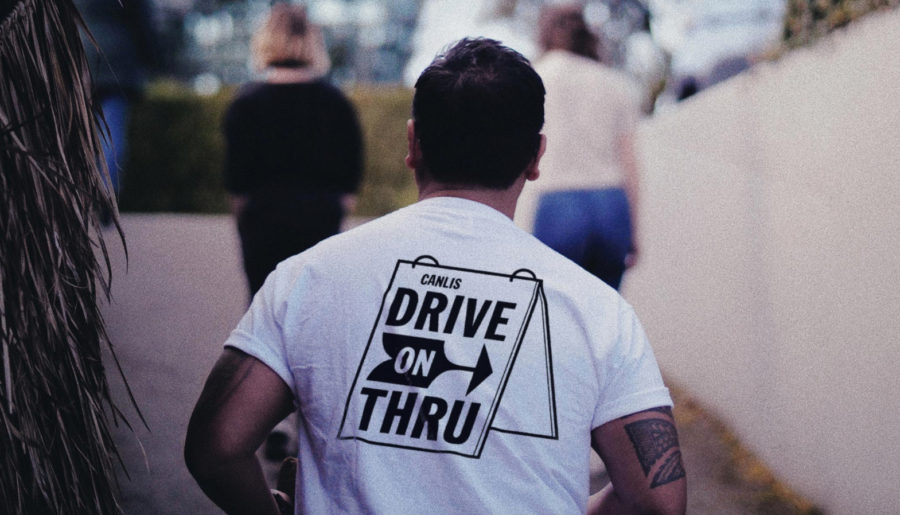
Chef-owner Tom Douglas told Restaurant Business magazine revenue was off by 90%, which might as well be 100%. Nonetheless, Douglas’ response was instructive to us all. He announced the opening of three concepts based out of Canlis kitchens that will serve the takeout, drive through and home delivery market segments. The Bagel Shed will offer breakfast options; Drive on Thru will provide lunchtime burgers, veggie melts and salad; Family Meal will offer a rotating menu of dinner entrees and a bottle of wine delivered to your door. A creative deployment of solutions and assets that helps keep the team employed while answering the opportunity for off-premise consumption business.

Salve for Uncertainty

Communication, and lots of it, is required in these unprecedented times. Your motivation is not only to inform users of what your business is doing to keep the flow of goods and services they need safely in motion, but also to express care and concern for their health, wellbeing and happiness.

The schools my daughters attend are now closed. My youngest is a dancer, and her classes and performances have been cancelled. My oldest is an ice skater and the rink is shut and practices stopped. What we have going is each other, our wonderful dogs, more time together and adventurous spirits.

How can your brand operate as coach and guide for family activities, more hands-on experiences with the pets, and a renewed focus on home-prepared meals? With no sports, no concerts, no large group events of any kind, the marketplace may well be listening and consumers more open to engagement than ever before. There are certainly wayyy fewer distractions competing for precious attention.

Your brand’s ability to operate as an enabler and resource is important in this environment. Social communities can become outlets of shared experience. In Chicago, the Nextdoor online community bulletin board is on fire as people share thoughts, ideas and concerns on the changes occurring before us. One of the most active conversations is around the status of fresh food supplies in local supermarkets and guidance on who has what.

People want to share and engage with each other

We have arrived at a new era where businesses increasingly understand they are about more than manufacturing, retailing and commerce. Companies have discovered their growing role in authoring the greater good. This self-discovery opens the door to building a more human and approachable brand that understands relationships with users are increasingly like real, human friendships and the natural reciprocity that exists in that personal dynamic.

When brands talk, walk and behave in a more human and relate-able manner, they become more resonant and trustworthy. You have been handed an extraordinary opportunity to help people in the midst of a trying storm. Empathy is a great characteristic and will serve you well as people embrace your voice of reason and support.

Looking for more food for thought? Subscribe to the Emerging Trends Report.

Bob Wheatley is the CEO of Chicago-based Emergent, The Healthy Living Agency. Traditional brand marketing often sidesteps more human qualities that can help consumers form an emotional bond. Yet brands yearn for authentic engagement, trust and a lasting relationship with their customers. Emergent helps brands erase ineffective self-promotion and replace it with clarity, honesty and deeper meaning in their customer relationships and communication. For more information, contact Bob@Emergent-Comm.com and follow on Twitter @BobWheatley.

Marketing Strategy: Different Beats Best

March 11th, 2020 Posted by brand strategy, change, CMO, Growth, Higher Purpose, Marketing Strategy, Transformation 0 comments on “Marketing Strategy: Different Beats Best”

Category creation is the path to sustainable growth

Emergent has extolled the virtue of category creation as a path to sustainable growth for some time. In essence, we routinely look for ways to dial a client’s brand positioning to the right or left far enough that a new category of one is created.

For the most part we find that food, beverage and lifestyle brands, however, prefer to focus on being better than the competition, or even the best – which is better attired in a nice new suit.

Better is an alluring idea. Brands almost naturally feel drawn to say faster, cheaper, easier, more of this and less of that.

The problem with better is it casts the business in a comparison-anchored fight that never goes away. It gives strength to the competition by keeping them in the conversation and requires routine return visits to make sure the specs are always optimal. In fact, the specs become the defining narrative of the business, a more analytical style of communication that lacks emotional resonance.

A form of polite mudslinging goes on continually as the better or best mantra is applied and justified through ranking of achievements and advantages. Marketers may think that users care most about better, but that’s only because they haven’t given them something different to believe in. At least not yet. 

Are brands merely a list of features and benefits?

  • The primary difference between being brand led versus sales driven begins with recognizing that a strong brand always goes to market with a point of view. The best brands have an opinion that is expressed early and often, and a vision of what the future looks like. Strong brands offer a way forward for their users and help them understand what before and after looks like.

Your brand is ultimately a belief system. In today’s redefined world now founded on substance and authenticity rather than gloss and prestige, belief is the new benefit.

Another way to look at this is the power and importance of different. Superior will lose out to different every time. Emergent’s goal as expert guide is to help marketers define what different looks like and then map how to own it.

Balance sheet challenges aside, the Casper mattress category creation story isn’t really founded on offering a better mattress. They’ve been successful by marketing a point of view and beliefs around better sleep. Their principles and values led to creating a new category and channel for mattress sales that overcame the inability to trial (lay down on) a mattress before purchase.

Your strategic thinking time is best invested looking for powerful ways to be different rather than better or best. Here are four examples of how different can be brought to life.

  1. Create a new category everyone else is blind to

You can choose to play ball outside with competitors, watching their moves and looking for advantages in formulation or superiority in other areas of the category value proposition that people expect. Or you can create a new playing field that’s your very own.

Legacy beauty brands have forever looked at their role as something magical you apply to achieve their definition of beauty. It is created on the surface, on the outside of the user. New more purposeful emerging brands see it differently. They believe beauty comes from inside and operates with a wider lens around wellness. Beauty is achieved through respect for and balance of the mind, body and spirit. This is rich territory to carve a new voice, to change the value proposition and to be different.

Different is easier to remember and gets traction more quickly than better, which always requires some brain taxing analysis to do the math of superiority.

  1. Create a lifestyle brand

Lifestyle brands recognize the role they can play as enablers of consumer passions, and their ability to inspire users to a better quality of life. Lifestyle brands literally insert themselves into important life moments for consumers. These are life events and experiences that mirror the brand’s guiding beliefs and reason for being, which is nearly always attached to a deeper meaning than just the product itself.

Yeti is a super-premium cooler brand that is heavily invested in lifestyle positioning.  The brand is a study in active participation and storytelling around life moments that matter. Its methodology has been expressed on more than one occasion as celebrating “freedom of the human soul in nature.”

Sure, they could devote their marketing energy to technical descriptions and specmanship around the product design. Instead their focus is on the special moments of human relationship bonding on a river at dawn while fly fishing. Is this a prestige sale? $350 or more for a cooler is a leap in price point. No. It is a cult favorite among construction workers because the brand identifies so fully with a life worth living.

  1. Change focus and the conversation

Many brands ill-advisedly devote their marketing plans and tools to revealing themselves to the customer. When you talk continuously about your accolades and advantages, you are expressing who and what you are.

However, brand led businesses on the other hand show their difference by expressing who the customer is and can be. The nuance is showing them how your brand beliefs will change them and improve their lives.

When you talk about yourself, you position the brand as the hero of the story you’re telling. That is upside down and puts the brand in competition with the consumer for the hero role. Users should be the hero of all brand storytelling, with the brand positioned as expert guide, there to help them on the journey and solve problems.

Hotel companies are famous for talking about themselves, the facilities and amenities. The similarity between hotel web sites is striking, as if there were one design firm knocking them off along a cookie-cutter pattern of feature lists. The game to settle who is better or best is played against a backdrop of great-looking pools, spas and culinary offerings.

Then along comes Airbnb. This brand rose above the fray by being different in every way. Here Airbnb inspires a dramatically different picture of what travel is. While hotel companies try to beat the competition with amenities, spacious rooms and gardens, Airbnb turned the industry inside out by being different.

The magic lies in how you travel and what you experience when you’re there. It’s a decidedly human story that builds on the personal adventure you create rather than property specs.

  1. Change the reality

Different can come to life when a brand reframes the long-accepted reality and creates the ‘Oh my God we’ve been doing it wrong all this time’ moment.

Step One Foods in Minneapolis is an early player on this front, pioneering a new category entitled Food-as-Medicine. (Disclosure: Emergent has done some project work with this company). Step One was started by a Cardiologist, Dr. Elizbeth Klodas, who hails from a long line of family bakers.

Dr. Klodas empathetically aligned herself with patients suffering from high cholesterol and the prospect of future heart disease. Dr. Klodas wanted to find a way to improve and change her patients’ lives, not just medicate. Cholesterol lowering drugs, by the way, are the most prescribed medications in America. As is always the case, drug therapies come with side-effects which can be debilitating in their own right.

Dr. Klodas looked at the linkage between food, diet and disease and embarked on a journey to create a food-based solution. Remarkably, she found an effective recipe using real food ingredients in proper proportions to create a line of packaged foods including bars, smoothie mix, oatmeal cereal and other assorted products.

Step One became the first packaged foods company to participate in a double-blind clinical trial of the products, that effectively proved consuming the foods (no other changes to lifestyle required) met or exceeded the cholesterol lowering outcomes achieved by drug therapies, but without the side effects.

Step One has created an ‘OMG we’ve been doing it wrong moment,’ reframing what we know and understand about the role that food can play in addressing disease.

  1. Different is a reframing reality. It is a paradigm shift and as such it flies against the natural tendency to fall into better, best or both.
  2. Different and its cousin new category creation, are pathways to sustainable growth that end the connection to competitive comparison while achieving true separation and distinction.

The question marketers should be asking: can I help make people care about something different that what they prioritize now? The answer is yes, this can be done. Owning different will change the conversation with consumers and usher in an era of brand leadership.

Can we help you identify your path to brand-led strength?  Let’s talk.

Looking for more food for thought? Subscribe to the Emerging Trends Report.

Bob Wheatley is the CEO of Chicago-based Emergent, The Healthy Living Agency. Traditional brand marketing often sidesteps more human qualities that can help consumers form an emotional bond. Yet brands yearn for authentic engagement, trust and a lasting relationship with their customers. Emergent helps brands erase ineffective self-promotion and replace it with clarity, honesty and deeper meaning in their customer relationships and communication. For more information, contact Bob@Emergent-Comm.com and follow on Twitter @BobWheatley.

Archives

Categories