
Posts tagged "brand marketing"

News media guidelines

Five Steps to Successful Earned Media Outcomes

July 6th, 2021 Posted by Agency Services, brand marketing, CMO, Earned media, editorial relevance, media placement, media relations, media strategy, Public Relations, publicity, storytelling 0 comments on “Five Steps to Successful Earned Media Outcomes”

There’s method, expertise and relevance involved…

I can’t begin to tell you how many times I’ve heard a client express skepticism about the earned media channel of communication. Not because they don’t think it’s extremely powerful and effective – they do. Their tenuous belief has to do with a perception that seemingly random conditions lead to outcomes. That a great story secured is more of a happy accident and not, in reality, the outcome of a surgical, planned methodology.

Here we will debunk the media myth and explain the path to editorial glory. However, even though there are five steps and each one relevant to the successful outcome, the expertise involved to properly execute each one of these to maximum effect is also a byproduct of experience. Knowledge honed over years of working in the trenches to appreciate the nuance of what flies and dies in the reporting world. Let’s take a tour together on the path to editorial victory based on the fundamental understanding that great stories don’t fall like manna from heaven but are a result of a strategic process.

Granted you can’t buy legitimate editorial coverage, so the entire proposition isn’t transactional (for the most part) – at least it isn’t for the blue-chip media properties where journalism and reporting rules hold sway. But that’s the beauty of it. Editorial media is a reporting environment, based on storytelling that emanates from inspection, examination, evaluation and consideration; thus, why it is far more valuable, effective and powerful than an ad.

The essential truths

It’s helpful to understand what separates the editorial wheat from the chaff.

  • A ’story’ that’s not really a story won’t get told – truth to anyone looking at the reporting medium with clarity. The fundamental story idea you start with is the lynchpin to outcomes. How the story concept is constructed has a lot to do with editorial interest, relevance and value. Great reporters can see a great story unfold.
  • Story concepts built on self-promotion looks like advertising and thus why editors and reporters suggest contacting the ad department. When the story isn’t really there to benefit the media viewers/readers, reporters sense that immediately.
  • When you speak in editorial terms, with material that respects the editorial paradigm of inspection, examination and reporting, you can earn a conversation with editorial gatekeepers. This is where seasoned experience pays off most often.

Press releases are invitations to stories, not stories in themselves. The facts are most releases are devoid of a story, contain too much self-promotional, non-essential attribution and aren’t interesting. Media material is needed and valued when it’s done right. If it walks and talks like a story worth telling then you have something.

Five key ingredients to better non-paid media outcome

  1. Frame the larger story

Where you start is connected to where you will inevitably finish. The story concept is key. If you are planning a new product launch for example, the story isn’t the product launch. Rather it is placed within a larger context about trends, reports, studies and cultural shifts where a larger problem is being solved by the product – residing within a broader context.

  • Is there new technology involved that falls out of a growing trend in consumer behavior and need?
  • Is there a societal benefit or consequence that brings value to how people live, prosper, grow or succeed in some way?
  • Is a higher purpose connected to the company that is being served by this launch, are you bringing a new idea or solution to sustainability and climate impacts for example?
  • Is there a relationship between your product and a health and wellness outcome that benefits peoples’ lives or helps them overcome a barrier to personal growth?

Bottom line – find the larger story and outline how these parts fit together to create a better whole. Supporting studies and quantitative research can be powerful tools here if you can prove the condition is important and meaningful to consumers’ lives.

2. Do your homework

What do we know about the reporting world? For one, editors and reporters need trusted quote-able sources to do their jobs. The executive in charge of marketing or brand cannot be the only source cited in a story worth telling. What subject matter experts can be enlisted to help placed credible context around the problem you are solving?

Are there real people, not paid endorsers, who’ve had experiences with the product and found value in the outcomes of using it that reinforce the larger context of problem-to-solution?

Can you identify studies and reports from independent sources that lay the factual foundation for a cultural or societal shift you are addressing? Please note if it’s a study you paid for then its value cred is diminished right out of the gate (not entirely but take note).

When you are able to supply the reporter with respected third-party sources and experts that corroborate and verify what you are saying, you’ve accomplished two important things: one, you are able to help shape the story outcomes; and two, you are helping the reporter who is always under time constraints to do their job more successfully. Win and win.

3. Pick your targets wisely

The days of press release spray-and-pray are over. This technique is an old-school hedge-your-bet move by some publicists who attempt to win on a quantity game, assuming that some percentage of media receiving material will somehow run the story. Those days are gone.

The path to wider coverage begins with bellwether, respected media properties that tend to be influential to other channels (national print to TV). Moving the story along a planned continuum is a smarter play. Hope is never a strategy.

Where you take the story has a lot to do with where the reporter has been before. What media are likely to be interested in this story within its larger context? You can determine that in part by understanding the audience they serve and what will be inherently valuable to them in serving their readers/viewers.

Which reporters are likely to resonate to your concept/idea? If you do the heavy lifting to understand what they’ve published previously you may find a pattern of interest where you can draw lines of relevance from previous work.

4. Magic of vertical build

The industry trades that cover your category are a great place to start to frame the story elements and while doing so create evidence the angle has merit, reporting legs and is worthy of being told. Trade placements are not considered competitive to larger media properties, rather it serves as helpful background and elevates confidence in the story bona fides.

A stepped strategy that begins in trade channels is a strong game plan as you move up the editorial food chain to media with a larger, broader audience.

5. Editorial syntax in everything you do

If it looks like a story and walks like a story then it’s a story. When you create supporting material to take your idea out into the reporting world, it needs to respect editorial sensibility. If you truly understand how reporters would treat the subject and prepare your backgrounding materials in a way that screams you understand the rules and how they do their job, you earn respect right at the front door if inquiry.

So much of what editors and reporters see each day is self-promotional and never served in the context of a bigger story concept. They are required to wade through, identify and separate what is useful from what is not. Most won’t do it and thus why the pitch never materializes as a published piece.

If you want a reporter to respect you, listen to you, then serve the story up in a frame that bristles with editorial savvy and states, obviously, that you know them, their world, their audience and how they will likely treat the story themselves.

Too often story material is created to please the internal approvers because it sounds like an ad and tells the key messages directly, and without any editorial context around it. Looks good on paper, but in reality the release may fall flat on its face once in the hands of those who report rather than promote.

It’s tougher than it looks

All of this work is a bit like a symphony of well-crafted components that serve to anchor a story in the greater good and embed success in the effort rather than impede it. The paint-by-numbers approach of release generation to spray-and-pray distribution is truly a walk down the pathway of a loose dice roll to any tangible media outcome.

Better in the end to be strategic about how this great work is conducted and be patient with a process that has more moving parts. Inevitably it will position you for greater earned media success in the long run.

The relationship-building nuances of becoming a trusted source for real news with reporters are inexorably linked to achieving media objectives. Seasoned experience is required because you must have been at bat a more than few times, learned the differences between good and bad, before you understand what to do and what to avoid.

Simply said, reporters know if you know the drill.

If you think you need a fresh approach to non-paid, earned media outcomes use this link to initiate an informal conversation. We promise an interesting, useful dialogue.

Looking for more food for thought? Subscribe to the Emerging Trends Report.

Bob Wheatley is the CEO of Chicago-based Emergent, The Healthy Living Agency. Traditional brand marketing often sidesteps more human qualities that can help consumers form an emotional bond. Yet brands yearn for authentic engagement, trust and a lasting relationship with their customers. Emergent helps brands erase ineffective self-promotion and replace it with clarity, honesty and deeper meaning in their customer relationships and communication. For more information, contact Bob@Emergent-Comm.com and follow on Twitter @BobWheatley.

Eat Just non-chicken chicken

Want Users To Listen, Give Them Something Worth Listening To

May 27th, 2021 Posted by Brand Design, brand marketing, brand messaging, brand strategy, Category Design, change, Climate Change, climate culture, consumer behavior, Consumer insight, Content Marketing, Differentiation, Emotional relevance, engagement, Growth, Navigation, storytelling, Strategic Planning, Sustainability, Transformation 0 comments on “Want Users To Listen, Give Them Something Worth Listening To”

Why Brand Education is More Effective than Selling

There’s an almost irresistible, gravitational pull in brand marketing to focus on self-promotion. It’s instinctive and alluring to talk singularly about why your product is better than others. Is your head nodding up and down? You may believe the persuasive story is your awesome tech, your incredible recipe, your authentic ingredients, your great taste, your contemporary look, your creative store design – all of the various arguments why your brand or banner is terrific and a superior choice.

  • These brand advantages and qualities are now fundamental currency in a marketing game whose rules have changed.
  • Yes, all of these things remain important, but should they be the leading tip of your marketing spear? Not anymore. Here’s why.

The dynamics powering consumer and brand relationships have transformed. Consumers gained control of brand engagement when the Internet and digital era handed it to them. Your users know everything, can compare anything, and quickly learn from the experiences of others good, bad or indifferent. They can turn your engagement tactics on or off with a click. When consumer relevance reigns supreme, it’s time for an enlightened approach.

Secondary research confirms most people run away from self-congratulatory messaging outreach that looks like traditional selling. For them, it isn’t trusted communication. Effective marketing recognizes that the journey brands take with their best customers is built on a foundation of reciprocity and value exchange.

Role of the modern brand is guide and purposeful voice

Instead, your brand should present itself as a guide, coach and advisor on the consumer’s life journey. Marketing becomes relevant and resonant to users when the value offered is of intrinsic benefit in helping them achieve their personal aspirations and goals. Your brand should be a partner not a seller. Key insight: the dynamic of how brand relationships are made has shifted to help over hype, so your voice and story should realign with it. How so?

Eat Just brand, the first cultivated chicken meat to win regulatory approval for sale in Singapore, recently struck a deal with a hotel-based restaurant called Madam Fan. They are launching the first home delivery menu of dishes using Eat Just’s non-chicken chicken.

Inside the food delivery container is a Google Cardboard viewer with a link to a short film. According to Eat Just CEO Josh Tetrick the video transports you to a Brazilian rainforest where you observe this rapidly disappearing climate-critical resource. You see this amazing natural carbon sink being replaced by industrial farms that raise animals for meat and the corn and soy crops to feed the animals. The goal of Eat Just’s video is to help users appreciate why cultivated meat matters to the planet’s health.

Turning the food delivery box into a portable brand experience is such a smart move.

Did the video do a typical romance of their product tech? No, it was instead an inspiring educational experience where the consumer learns about the connection between our food system and its related climate impact. This frames the Eat Just brand’s higher purpose, it informs in a way that’s consistent with changing consumer values and beliefs about food. It creates a unique teaching moment – and a powerful one at that.

This is how a community of believers and advocates is built. The video endears the Eat Just brand to its users. Of course, for all of this to work, the product eating experience still needs to be perfect. It should be an authentic analog to chicken flavor and texture – and taste should hit squarely on the crave-able and delicious notes.

  • That said, in a world of common feature-to-benefit selling tropes, Eat Just credibly, remarkably rises to a new level of value exchange, where eating that nugget of chicken meat acquires a deeper meaning than it would deserve outside this context.

What’s more, the approach educates and benefits the recipient in a compelling way – an “a-ha” moment of learning that rainforest is rapidly disappearing (at an alarming acre per second). Emotion is embedded in the subject matter of the video, so it plays to what we now understand about consumer behavior and the (major) role of emotion in shaping perceptions and actions.

Marketing that’s wanted by the recipient

Your goal is to create marketing that is welcomed by its intended audience, not avoided. When the food or beverage brand helps its core customer with creativity in the kitchen, or enables wellness and fitness experiences, or communicates a higher purpose like food scarcity, the brand gains permission for a conversation. Here the brand bonding is facilitated because we’ve moved beyond transactional selling to a more relevant and powerful dialogue.

You may still wonder: isn’t the path to sales growth paved with communicating product attributes early and often? Not at the expense of failing to educate users. This has everything to do with understanding the rules of reciprocity and trust that influence purchase behavior. Trust is earned when the consumer believes you understand them and their needs and operate unselfishly to work in their best interests. Trust is the active ingredient in an authentic give-and-take relationship between brands and users.

Food and the role of crave-ability and deliciousness

Worth noting, food is an emotion-packed category. People care deeply about the quality of what they put in their bodies. They want to know the ingredients used are high quality, healthy, real, safe and also better for the environment. They especially want to avoid making a bad decision, so how food is presented with an eye towards taste and eating satisfaction helps eliminate the perceived reflexive risk of “It’s healthy so it’s going to taste bad.”

One notable caveat here: any number of fast casual restaurant brands are aware of eat with your eyes magic and advertise food that looks sumptuous and crave-able – all beautifully presented with super strong appetite appeal. Except that the stark reality of what’s actually delivered on the plate is frequently so far removed from the ad imagery that it sets the stage for massive disenchantment and trust disruption.

  • Truth matters. Social channel chronicling of disappointment spells out what’s at stake with consistent over promise and under deliver.
  • If you convey it’s delicious, it better be delicious.

When education is your mission

Sweetgreen is a fast-food chain that understands the role of ethos and deeper meaning in their brand proposition and go-to-market behaviors. This belief system permeates every aspect of how the brand is presented and how the business operates to demonstrate its higher purpose values.

They recently announced a refresh of their brand as they amp up their climate impact bona fides while redefining what fast food is in context of why the company exists. Here’s how they presented the values that sit underneath their new brand identity:

  1. “Food: sweetgreen wants to show that fast food can be synonymous with real food. They invested in new food photography, menu designs and packaging in an effort to highlight their food ethos, which celebrates seasonality, local sourcing and transparency. 
  2. Sustainability: sweetgreen believes that climate change is the defining challenge of our generation. This new identity was designed to showcase sweetgreen’s sustainability initiatives and its ongoing journey to carbon neutrality.”

Education is the leading strategy at sweetgreen. They believe consumers benefit from knowing more about how their food is sourced, farmed and prepared with an eye towards healthier and higher-quality choices that remain friendly to the planet’s wellbeing.

Why help over hype is the way to go

We have entered a new era where brands with purpose and deeper meaning attached to how they operate have an extraordinary opportunity to create lasting, deeper connections with their core users. It’s no longer necessary to compete for attention through a constant drumbeat of hard selling product features.

If you’re committed to building the best possible product experience your capable of, the consumer will recognize and experience it. Why they keep coming back, and why they engage fully in your social channels has more to do with how you help them by enabling their passions and interests and aligning with shared values.

Education is a principle move to provide added value, and while doing so, enhance your relevance. It also respects the expert guide and coach role that brands should play in effective communication.

When you create marketing users want rather than avoid, the opportunity for conversation skyrockets. The relationship, therefore, is a journey not a transaction. Educating consumers is simply smart marketing and sets you up for successful engagement across all digital platforms. It automatically leans into your higher purpose, a point and position not lost on consumers who are looking for it.

If this sparks questions about refining your strategy and brand voice around education-forward outreach, we’d love to talk with you. Use this link to begin a conversation.

Looking for more food for thought? Subscribe to the Emerging Trends Report.

Bob Wheatley is the CEO of Chicago-based Emergent, The Healthy Living Agency. Traditional brand marketing often sidesteps more human qualities that can help consumers form an emotional bond. Yet brands yearn for authentic engagement, trust and a lasting relationship with their customers. Emergent helps brands erase ineffective self-promotion and replace it with clarity, honesty and deeper meaning in their customer relationships and communication. For more information, contact Bob@Emergent-Comm.com and follow on Twitter @BobWheatley.

Agency services and resources

The Services You Really Need From Your Agency

May 19th, 2021 Posted by Agency Services, brand advocacy, brand marketing, brand strategy, Category Design, CMO, Differentiation, Emotional relevance, engagement, Insight, Navigation, storytelling 0 comments on “The Services You Really Need From Your Agency”

The highest and best use of a strategic resource

If you were to boil down comments we get from clients on what they like about our work, why they entrust us with their marketing needs, a recurring theme pops up. They lean in on strategic guidance and informed perspective about how best to grow their brand and business.

Tactics like social, earned, owned and paid media all matter, and we have a proprietary approach to deploying them. However, the nuts and bolts from agency to agency tend to be common. So the real acid test of value falls into an area we describe as expert guidance. Clients are looking for transformational growth and strength from their brand value propositions. Given that objective, it’s understandable why research shows clients’ top priority for services they expect to gain advantage by outsourcing starts with strategic brand guidance.

Increasingly, clients believe if strategy isn’t dialed in correctly, everything that follows in outreach and sales support is a dice roll. So true. The fundamentals of category design, brand differentiation and positioning, brand narrative, persona analysis, key messaging, brand narrative and customer journey mapping all feed the right and most compelling story to tell.

  • Without user relevance there can be no user resonance. More marketing budgets are wasted because the foundational strategies and consumer insights are not properly dialed-in and the effort fails to engage. Just because you’re able to drive media awareness with a generous budget doesn’t guarantee a winning outcome in the market you serve.

Our value almost always starts with insights we’ve honed over years of working in various categories – insights on consumer behavior, preferences and quirks on the path to purchase. It stands to reason if you have deep understanding of what core users care about, then you also have an opportunity to create content that’s meaningful and useful to them.

Brands are no longer sellers. The privilege of a consumer relationship must be earned through enabling consumer lifestyle interests and aspirations, operating as a valued partner on their life journey. When the relationship is restricted to transactional occasions, it casts the value entirely on product outcomes instead of cultivating a deeper bond and meaning. Suddenly, it’s harder to compete on anything except price. That’s due in part to the leveling up in production technologies and supply chain quality making it nearly impossible to maintain over time any kind of meaningful technical superiority.

Your brand is your secret sauce, and its emotional connectivity means everything to the success of your customer relationships and value. When you are hyper focused only in brand technology and processes, you can end up working at cross purposes with who is really running the business – your consumer.

Guidance on higher purpose, deeper meaning

How is it that some brands enjoy a solid foundation of passionate consumer advocacy and ambassadorship that enables the holy grail of marketing – word of mouth and social proof? Those brand minders know the business must invoke a higher purpose that transcends the product itself. People want something important to believe in.

Having a fantastic product experience is now table stakes. Competitive advantage lies in how brands align themselves with the beliefs, values and lifestyle interests their core users hold dear. Thus, higher purpose isn’t a nice to do, it is indeed mission critical.

Emergent started exploring higher purpose strategy years ago and we’ve become experts in how this strategic platform is best developed for client brands through our unique Brand Sustainability Analysis process. A stronger brand and inspired community of users results from having more to offer than simply a product inside a package. Want to be more meaningful to consumers? Then imbue your brand with deeper meaning.

This work comprises the core value proposition we bring to client marketing planning, ahead of the creative work to build compelling, powerful and emotionally resonant brand stories. This is all informed by a brand voice having more going for it than ad-centric cleverness in talking up features and benefits.

Given formulations, recipes, ingredient strategies are ultimately not all that wildly different brand to brand, if the brand voice is focused solely on product attributes, it inadvertently feeds sameness and commoditization in the category. The Beyond and Impossible burger formulations bare similarity as plant-based meat so the story instead is about taste indulgence and sustainability bona fides.

A touch for emotional storytelling

Words matter. Emotion sits at the front door of engagement for the very reason people are feeling creatures who think, not thinking creatures who feel. Emotion is a key driver of actions taken by consumers on the path to purchase because the non-linear, sub-conscious side of the brain is operating the levers of behavior.

  • Knowing this, we build message maps with emotive words and stories that play to feelings more than facts. It is the feeling consumers have in the presence of your brand that tips them to purchase rather than analytical, logic-based arguments.

Imagine the pet food company that shares the emotional stories of pet transformation – pet lives that have been impacted and improved through the higher quality food they are ingesting. Compare that pound for pound with fact-based messaging on protein percentages or nutritional specsmanship and the impact on real engagement becomes crystal clear. Emotion wins every time.

Working to amplify symbolism and signaling

Purchases these days are largely symbolic flags of what consumers want the outside world to believe about them and what they care about. The symbols you are using on packaging, in your advertising and content become the visual shorthand consumers are looking for based on what they believe is important. For example:

  • Sustainability
  • Dietary outcomes like weight management and energy
  • Health and wellness

People are visual creatures so use of visual symbolism on package, at the store shelf, in the web site are triggers that offer a form of signaling the consumer holds onto that aligns with their desires and preferences. Mapping a symbolism platform should be part of your marketing partner’s scope of work.

Brand experiences

Actions speak louder than words and for that reason, brand experiences become a significantly important tool in bringing the brand closer to users.

  • Culinary events, for example, allow people to get hands on with their passion for creativity, taste experiences and indulgences.
  • Health, wellness and fitness events amplify the interest in taking better care of one’s self and investing in self-improvement.
  • Music is incredibly powerful for a brand association in moments of deep emotional connection.
  • Educational events that provide useful lifestyle guidance or remove perceived risk through sampling lead to brand bonding moments.

To the extent brands have an opportunity to act as consumer coach and guide, it puts the brand in the right role of advisor rather than brand storytelling hero – the position rightfully owned by the consumer. The brand is Yoda to your user Luke Skywalker.

Trust creation and risk removal

Consumer purchase behaviors are 99.99999 percent of the time informed by their overwhelming need to avoid making a bad decision. No matter what you say, consumers will stay away if they perceive risk is at stake in a purchase.

Risk avoidance is a strong barrier to trial. Removing risk involves the following:

  • Using the voices of outside credible experts to validate what you want people to believe.
  • Bringing the powerful verification of real people testimonials in social channel posting.
  • Familiarity bolsters trust, so awareness building is part of this process.
  • Consistency in your behaviors and policies that place the customer first – they need to believe you are always acting in their best interests.
  • Honesty is partially a voice and language effort but must be informed by a willingness to own mistakes – this is hard to do but it humanizes the brand.

Trust strategy should be an integral and fundamental component of strategic planning.

This eco-system of services, resources and programs comprises the highest and best use of your agency partnership. It might seem odd not to include excellence in communications tactics such as earned and social media. But for the most part agencies with a strong track record should excel in varying degrees with these fundamental practice areas. The work profiled above, however, is what separates the average from the exceptional and deploys the most powerful tools available to build brand value and consumer engagement.

If you are currently looking for fresh ideas and perspective for your business, use this link to open an informal conversation about your needs.

Looking for more food for thought? Subscribe to the Emerging Trends Report.

Bob Wheatley is the CEO of Chicago-based Emergent, The Healthy Living Agency. Traditional brand marketing often sidesteps more human qualities that can help consumers form an emotional bond. Yet brands yearn for authentic engagement, trust and a lasting relationship with their customers. Emergent helps brands erase ineffective self-promotion and replace it with clarity, honesty and deeper meaning in their customer relationships and communication. For more information, contact Bob@Emergent-Comm.com and follow on Twitter @BobWheatley.
Heart over head everytime

How to Harness the Power of Emotionally-Relevant Marketing

May 11th, 2021 Posted by Agency Services, brand advocacy, Brand Design, Emotional relevance, engagement, Growth, Higher Purpose, Human behavior, Insight, Marketing Strategy 0 comments on “How to Harness the Power of Emotionally-Relevant Marketing”

Understanding the human being you’re talking to

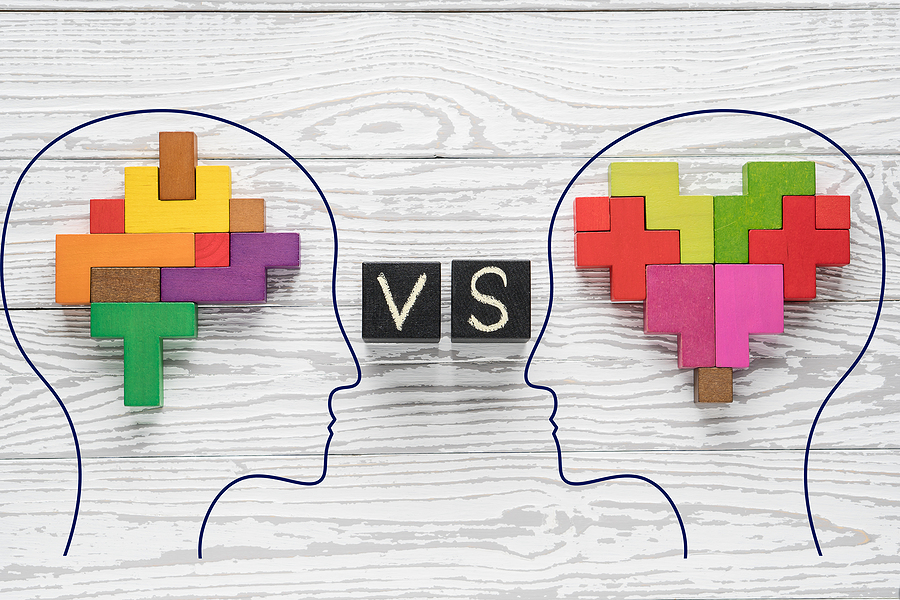
People are not analytical, fact-based decision-making machines. We are feeling creatures who think, not thinking creatures who feel. It’s heart-over-head every time. Yet the vast majority of brand marketing outreach is based on a rational presentation of features and benefits.

The incredible formula.

The amazing ingredients.

How it’s faster, more efficient, less costly.

The shiny new food tech underneath.

But what if I told you that conscious thought does NOT inform the decisions consumers make. “For 50 years we’ve been using the wrong model. Emotional tugs trump rational pushes.” Dr. Robert Heath, Journal of Marketing Research

Uh oh.

Doesn’t matter what the product is either. Marketers are trained to serve up what they believe is the best, most logical, defensible and factually-compelling argument that can be made about why Brand X is better than Brand Y or Z. But this is upside down.

Here’s the essential truth as we know it: “Non-conscious intention produces both a conscious thought and action,” says Timothy Wilson, a Clinical Psychologist with the University of Virginia.

Ooh Kayy? So what does that mean?

The latest Neuroscience tell us why we’ve been unintentionally mis-managing marketing for a very long time. Turns out there are two brain systems at work in every person. System 1 is an effortless, always on, intuitive autopilot side of the brain. System 2 is the effortful, learning, rational, analytical side of the brain that unfortunately is inherently lazy. System 1 makes 98 percent of our decisions, leaving 2 percent for System 2 to ponder. Yes they work in tandem but System 1 is in charge.

Here is another way to understand the difference: System 1 can process 11 million bits of information per second. System 2 processes 40 bits of information per second. Gulp. Turns out the intuitive side of our brain is a lot smarter than we ever knew. That hunch or gut feel you had is probably right!

The impact on marketing best practices

System 1 responds to emotion because it uses emotion. Here’s how to think about it.

  • Acts without deliberate analysis
  • Generates our impressions, feelings and inclinations
  • Exerts powerful influence on choices and judgments
  • Drives the options we choose and originates the actions we take

Here are six essential ingredients for optimizing marketing outreach that track with what we now know about how people really operate and handle decisions.

  1. Exposure: we automatically assign superiority to what is familiar. Communicating sticky, memorable phrases and ideas is a good thing.
  2. Proof: we are drawn to prefer products and brands other people like and endorse.
  3. Positive feelings: if we feel good about a brand, we assume it possesses an abundance of beneficial qualities.
  4. Actions: people respond more readily to what you do more so than what you say. Brand experiences can show your heart.
  5. Reciprocity: we are hard wired to reciprocate in kind when faced with clear generosity. Surprise and delight is more than a catch phrase.
  6. Art: we respond well to artistic expression. How you use words, visuals, sounds and style matter.

The case for deeper brand meaning

Here at Emergent we’ve been talking about the importance of Higher Purpose to brand growth for years. On one level, Higher Purpose marketing is respectful of the fact that purchases are largely symbolic these days, a form of signaling our values and beliefs to others around us. Thus, Purpose creates added value to the consumers’ perceptions. However, Higher Purpose is also part of this emotion-driven eco-system that informs how people behave and take action.

“Science now proves what brand

strategists have always sensed. We

human beings have a need to believe in

and act upon something that’s greater than

ourselves… Let’s realize the significance

of this discovery and impress upon

everyone that a brand is a belief system.

Want greater rewards? Then impart your

brand with deeper meaning…” – Emergent

Give consumers something they can believe in – advocate for – that reflects their values and beliefs. This is how you create a community of ambassadors who will spread the good word about your brand and business. Transactional relationships between brands and users are a thing of the past. Your brand value proposition should extend beyond the product itself. It also fits snugly with our understanding of how to communicate successfully to System 1.

If you have more questions about how this revelation might impact your go-to-market plans, use this link to start an informal conversation.

Looking for more food for thought? Subscribe to the Emerging Trends Report.

Bob Wheatley is the CEO of Chicago-based Emergent, The Healthy Living Agency. Traditional brand marketing often sidesteps more human qualities that can help consumers form an emotional bond. Yet brands yearn for authentic engagement, trust and a lasting relationship with their customers. Emergent helps brands erase ineffective self-promotion and replace it with clarity, honesty and deeper meaning in their customer relationships and communication. For more information, contact Bob@Emergent-Comm.com and follow on Twitter @BobWheatley.
The case for radical differentiation

The Compelling Case for Radical Brand Differentiation

April 15th, 2021 Posted by brand advocacy, brand marketing, Brand preference, brand strategy, branded content, change, CMO, consumer behavior, Consumer insight, Differentiation, engagement, Higher Purpose, Marketing Strategy, Strategic Planning 0 comments on “The Compelling Case for Radical Brand Differentiation”

Distinctiveness – a recipe to win the consumer’s mind

The greatest challenge brands experience on their journey to stardom (or eventual decline) is an unrelenting force at work that drives sameness into category competition. Ask any brand minder and they will recite their product advantages, formulation improvements and what they deem believe are distinguishing features. Yet in reality these characteristics are often a mild gradation of difference. This all-too-common condition pushes purchase decisions into more marginal and subjective territory such as attraction to package graphics and photography.

If you want to win the battle for the mind, you need every advantage. That begins by recognizing the all but universal existence of traditional category conventions and behaviors. The trick is working overtime to separate the brand from the crowd in your category orbit. Like 10-year-olds at a soccer match, most competing category combatants chase the marketplace ball of go-to-market practices like a rabid pack around the field. They rarely separate fully to position themselves uniquely for a more strategic and ultimately game winning play.

Be different. No really, really, really different!

In every category brands must compete for share of brain, wallet, sometimes stomach, engagement, mattering and value to the user. Yet modern advancements in technology, innovation, ingredient sourcing and production have made it virtually impossible for any brand to sustainably own a secret sauce achievement over time. One that can radically separate it from the other contestants. Copying is now an achieve-able artform.

If anything, brand experiences become somewhat interchangeable and thus can (will) fall victim to lowest common denominator pricing maneuvers that create a pocketbook incentive for switching. On the other hand, brands with deeper relationships and emotional connection to users can overcome the frequent rust of commoditization and marginal distinction.

Here we make the case for radical differentiation!

Let’s work together to break the rules and category conventions of brand behavior by flying purposefully in the opposite direction. Your goals and objectives are better served by creating greater separation than deciding to “live with” the middle-of-road-ness that often exists side by side in how brands package and market themselves. It may feel safer to follow the pack, but in the end home run outcomes are unlikely when virtually every brand bat is going to be calibrated for a reasonably decent base hit with consumers.

  • In fact, different is more powerful than better. Better is always a shade or degree move (perceptual). Unique can win devotion past the purchase decision.

Where can brands strategically separate?

Let’s start with who you are serving. Time and time again we’ve found that redefining who the core consumer is can offer a healthy start on the journey to radical differentiation. “All things to all people” will never be a recipe for distinction.

In every food, beverage and lifestyle brand category there are unique consumer cohorts. We also know that in many instances a more involved and engaged category buyer is often a heavy user who will represent a disproportionate share of brand sales volume and profit.

Narrowing the definition of who you want to serve is your first move towards better brand health, looking for the pockets of greater fan participation and emotional investment.

  • We routinely conduct category segmentations not just to understand different cohorts shopping a set of brands but also to find the fanatics and warriors who are champions of a business based on their lifestyle and attitudinal quirks or preferences.
  • Persona development work is key to helping define these slices of marketplace enthusiasts – those more likely to resonate to what’s on offer.

How do you design for them? What do they want? What constitutes a surprise and delight? How can you enhance relevance and resonance with them? Yes this means picking a narrower audience profile for planning. However, we’ve repeatedly observed this sharpened focus will improve every aspect of strategic gamesmanship while creating efficiencies in media communication. It sets the brand up to really engage groups of enthusiasts rather than being simply noticed (or not) by everyone.

Re-packaging the story

Designing language, tone and story relevance to the right audience is critical to set the brand apart. Spending time navigating Oatly’s website is a fascinating tour of a business with a unique voice, wearing its beliefs and values like a form of branded organic fashion. It’s not for everyone and isn’t intended to be so. It is a separator from all others, a rebel brand archetype that steps away from dairy conventions to do everything differently.

The words and narrative are masterfully curated to reflect the brand’s higher purpose around sustainability and a belief that an authentic human voice is more engaging than clever marketing speak. If the audience focus has first been narrowed to a band of believers, then the story should be refined to reflect and mirror their interests, concerns and values.

Symbolism 

These days product purchases are expressions and visible flags of values people want to be associated with or known to others for supporting.

The Nike brand isn’t really in the running shoe or athletic wear business. It is in the celebration of human commitment to athletic improvement and competition business. The brand is drenched in symbols of belief, striving, personal improvement, effort and achievement. These values transcend the levers of commerce and elevate Nike from all other players.

Can you add symbols and signals to your web site and outbound content that aligns your brand with shifts in popular culture important to your brand’s relevance and resonance?  

Looking for white space (differentiation) and trends to lead (culture change)

White space discovery is harder than it sounds. Our brains are wired perceptually to see what’s there rather than what’s not there. So how do you discover white space innovation in crowded categories? You must become a zealot customer anthropologist, studying their needs, wants and desires looking for under-served or unrecognized need states.

Both Beyond and Impossible plant-based meat companies arrived on the scene at a time when consumers increasingly viewed plant-based products as better for them. A trend gaining momentum across the food store. Witness the rampant growth of plant-based milk brands that upset the legacy dairy industry.

Their radical differentiation was to walk the opposite direction of improving vegan burgers for vegans. They set out to make plant-based burgers for meat lovers. Audacious. Charismatic. An impressive move to assault the beefy meat case. Their claim was bold and unique. The product experience delivered and now it’s a juggernaut of business expansion. A real zig to the common zag of most plant-based food innovations.

Higher purpose

People want to be part of something bigger than themselves. They want to believe in brands that share their values, that provide a way to make a difference. When the brand voice goes beyond the product to embrace issues people care deeply about, the dynamics of the consumer brand relationship change. No longer just transactional, the brand is imbued with deeper meaning and the voice gains gravitas and potence.

This is how you create a community of activists, advocates, ambassadors and believers who can see themselves embedded in your mission. Remarkably this tends to lower the overall costs of marketing because the brand doesn’t need to beat people over the head with paid self-promotion. The community has its own engine, pushing word of mouth out horizontally.

Some of the more visible examples:

Patagonia and its out-sized commitment to sustainability

Ben & Jerry and its radical commitment to social activism

Panera Bread and its ongoing efforts to address hunger and transparency

Warby Parker and its mission to help provide sight to the seeing challenged

Timberland and its tree mandate to answer carbon footprint and climate change

Of note, higher purpose is a zig move for the very reason so many brands don’t recognize the value of it, or fail to execute authentically, fully. Higher purpose only works optimally when belief and dedication to the platform is religion inside the organization, flowing all the way through operations, marketplace behaviors and long-term strategic decisions.

What’s your higher purpose and the reason people should join your brand’s movement? Or do you still think a formulation tweak will lead to massive marketplace victory?

Designing to intentional difference

Radical differentiation is a strategic play. It is how you can win the battle for the consumer’s mind when (for the most part) product categories are noisy, fuzzy, blurry pools of sameness. Consider who you are serving and what a narrower focus could mean. Look at white space innovations and trends as an opportunity to step outside the category norms. Change your voice, behave differently at the shelf. Move out of the standardized look and feel in how your product is packaged.

Run in the opposite direction from the pack. You will stand out. People will notice. If it’s done right, it can mean a change in the future trajectory of your company.

Should this concept strike you as worthy of further exploration and you would like to get a fresh perspective on what it could mean for your business, let us know. We would love to discuss how this journey might benefit your brand.

Use this link to open an informal conversation.

Looking for more food for thought? Subscribe to the Emerging Trends Report.

Bob Wheatley is the CEO of Chicago-based Emergent, The Healthy Living Agency. Traditional brand marketing often sidesteps more human qualities that can help consumers form an emotional bond. Yet brands yearn for authentic engagement, trust and a lasting relationship with their customers. Emergent helps brands erase ineffective self-promotion and replace it with clarity, honesty and deeper meaning in their customer relationships and communication. For more information, contact Bob@Emergent-Comm.com and follow on Twitter @BobWheatley.

Pet brand engagement and social media

Pet Age magazine published our column on social media best practices

February 4th, 2021 Posted by brand advocacy, brand marketing, brand messaging, Brand preference, branded content, Content Marketing, Digital marketing, Emotional relevance, engagement, Pet food, Pet food marketing 0 comments on “Pet Age magazine published our column on social media best practices”

How to optimize social media strategy for pet brand marketing

Our new monthly column for Pet Age magazine tackles how to build consumer trust and engagement with one of the most powerful, credible channels of brand communication. You can read it here.

Learn how to maximize social channel outreach for impact and connection for your business...

Or, enter this link in your browser: https://bit.ly/SocialChannelStrategy

Looking for more food for thought? Subscribe to the Emerging Trends Report.

Bob Wheatley is the CEO of Chicago-based Emergent, The Healthy Living Agency. Traditional brand marketing often sidesteps more human qualities that can help consumers form an emotional bond. Yet brands yearn for authentic engagement, trust and a lasting relationship with their customers. Emergent helps brands erase ineffective self-promotion and replace it with clarity, honesty and deeper meaning in their customer relationships and communication. For more information, contact Bob@Emergent-Comm.com and follow on Twitter @BobWheatley.

Archives

Categories